Is Optimum Online Down? How to Check and Resolve Outages Quickly
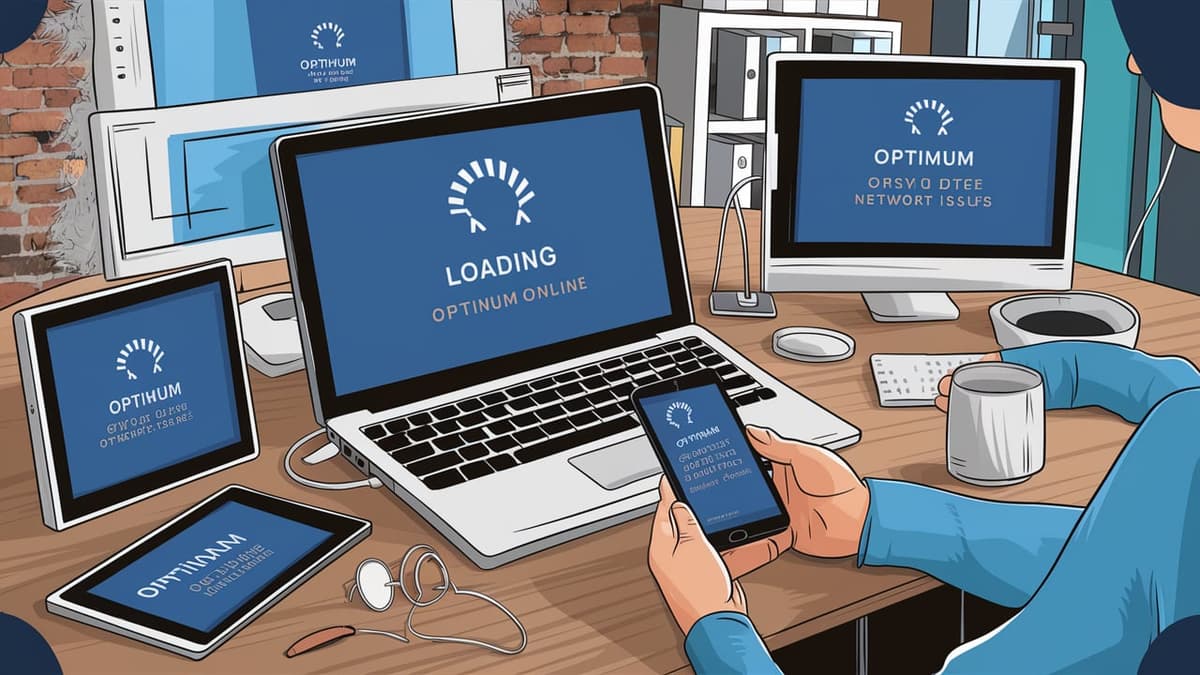
Experiencing an Optimum internet outage can be incredibly frustrating. This guide provides immediate steps to determine if Optimum Online is down in your area, how to verify the status, and effective strategies to resolve connectivity issues quickly, minimizing your downtime.
Detecting an Optimum Internet Outage
When your internet connection suddenly drops, the first and most crucial step is to determine if the issue is with your personal equipment or a broader Optimum service outage. This initial diagnosis can save you significant time and frustration. A widespread outage means your personal troubleshooting efforts, while important for eventual restoration, won't bring your service back online until Optimum resolves the external problem.
Initial Checks at Home
Before assuming a full-blown outage, perform a few quick checks around your home. These steps help isolate the problem:
- Check Other Devices: Is the internet down on all your devices (computers, smartphones, smart TVs), or just one? If only one device is affected, the problem likely lies with that specific device's Wi-Fi connection or settings.
- Test Wired vs. Wireless: If you're using Wi-Fi, try connecting a device directly to your modem or router using an Ethernet cable. If the wired connection works, the issue is likely with your Wi-Fi signal or router configuration. If both wired and wireless connections fail, it points more strongly towards a modem issue or an external outage.
- Inspect Your Equipment: Look at your Optimum modem and router. Are the lights on? Are they blinking unusually or showing red/orange lights? Consult your modem's manual or Optimum's support documentation for the meaning of specific light patterns. Solid green or blue lights generally indicate a healthy connection, while blinking or absent lights can signal a problem.
Understanding Modem and Router Lights
The lights on your modem and router are your first indicators of network status. While models vary, here's a general guide for 2025-26:
| Light | Typical Status (Good) | Typical Status (Problem) | Meaning |
|---|---|---|---|
| Power | Solid | Off/Blinking | Indicates power to the device. Off or blinking means no power or a faulty power supply. |
| Online/Internet | Solid | Off/Blinking/Red | Shows connection to Optimum's network. Off or blinking suggests no signal or an authentication issue. Red often indicates a critical failure. |
| Upstream/Downstream | Blinking (during connection), Solid (connected) | Off/Solid Red | Relates to data transmission to and from Optimum. Off or red indicates a signal problem. |
| Wi-Fi (if applicable) | Blinking | Off | Indicates Wi-Fi broadcasting. Off means the Wi-Fi is disabled or malfunctioning. |
Note: Always refer to your specific Optimum equipment model's documentation for precise light meanings.
Checking Official Optimum Channels
Once you suspect a wider issue, it's time to check official Optimum resources. These are the most reliable sources for confirmed outage information.
Optimum's Website and Account Portal
Optimum's primary online hub is their official website. During widespread outages, they often post banners or dedicated outage maps on their homepage. You can also log into your Optimum account portal, which may display service status updates relevant to your specific location.
- Website: Visit optimum.net. Look for a "Service Status," "Outage Map," or "Alerts" section.
- Account Login: Access your account at optimum.net/login. Sometimes, personalized outage notifications are displayed here.
In 2025-26, many ISPs are enhancing their customer portals with real-time outage reporting and estimated restoration times. This self-service option is becoming increasingly prevalent.
Optimum's Mobile App
Optimum offers a mobile app designed to manage your account and services. This app is often a quick way to check for reported outages in your area. Download the Optimum app from your device's app store (iOS or Android) and navigate to the service status or support section.
Optimum Customer Service Phone Line
If online resources are inaccessible or unhelpful, calling Optimum's customer service is a direct method. Be prepared for potentially longer wait times during a significant outage, as many customers will be experiencing the same issue. Have your account number ready.
- Customer Service Number: Typically found on your bill or Optimum's website. For many regions, it's around 1-866-200-7000. Verify the correct number for your service area.
When you call, listen carefully to automated prompts. They often provide information about widespread outages before connecting you to a representative. This can help you gauge the scale of the problem.
Social Media Channels
Optimum, like many large service providers, maintains an active presence on social media platforms such as X (formerly Twitter) and Facebook. They may post updates regarding service disruptions. Searching their official social media feeds for keywords like "outage," "service disruption," or your specific town/city can yield timely information.
- X (Twitter): Search for official Optimum support accounts.
- Facebook: Check the official Optimum page.
While not always the primary source for immediate outage alerts, social media can offer quick confirmations or explanations from the company during an event.
Leveraging Third-Party Outage Reports
While official channels are paramount, third-party websites and community reports can offer corroborating evidence and insights, especially if official channels are slow to update or you're seeking broader context.
Dedicated Outage Tracking Websites
Several websites aggregate user-reported internet outages. These sites rely on a community of users to report issues, providing a near real-time, albeit sometimes less official, view of service status.
- DownDetector: This is one of the most popular platforms. Users report issues, and the site displays a live map and user-generated comments. Searching for "Optimum" on DownDetector can show if others in your region are experiencing problems.
- Outage.Report: Similar to DownDetector, this site collects and displays outage reports from various providers, including Optimum.
These platforms are valuable because they can highlight localized issues that might not yet be officially acknowledged or are too small to appear on a national outage map. They also provide a sense of how widespread the problem is among other Optimum subscribers.
Community Forums and Social Media Groups
Local community forums (like Reddit subreddits for your city or region) or dedicated Optimum fan/user groups on platforms like Facebook can be informal sources of information. If multiple people in your immediate vicinity are posting about their Optimum internet being down, it's a strong indicator of a local outage.
Example: Searching "Optimum outage [your town name]" on X or a local subreddit might reveal recent posts from neighbors experiencing similar issues. This anecdotal evidence, when consistent, is highly reliable for confirming a local problem.
Analyzing the Data
When using third-party sites, look for patterns:
- Concentration of Reports: Are there many reports clustered in your geographic area?
- Timing of Reports: Did many people start reporting issues around the same time?
- User Comments: Do comments mention specific symptoms or locations?
By cross-referencing information from official Optimum channels with third-party reports, you can build a comprehensive picture of the situation.
Troubleshooting Your Optimum Connection
Even if an outage is confirmed, knowing how to troubleshoot your equipment is vital for when service is restored. Sometimes, a simple reset can resolve minor glitches that might otherwise delay your reconnection.
The Power Cycle (Reboot) Method
This is the most common and often effective troubleshooting step for any internet connectivity issue. It essentially refreshes your modem and router, clearing temporary errors.
- Unplug Power: Disconnect the power cord from your Optimum modem. If you have a separate router, unplug its power cord as well.
- Wait: Leave both devices unplugged for at least 30-60 seconds. This allows the internal components to fully discharge.
- Plug In Modem: Reconnect the power cord to your Optimum modem.
- Wait for Modem Lights: Allow the modem to boot up completely. This can take 2-5 minutes. Watch the lights until the "Online" or "Internet" light is solid, indicating it has established a connection to Optimum's network.
- Plug In Router: If you have a separate router, plug its power cord back in.
- Wait for Router Lights: Allow the router to boot up. This typically takes another 1-2 minutes.
- Test Connection: Once all lights appear normal on both devices, try connecting to the internet on one of your devices.
This step is critical because even after an outage is resolved by Optimum, your equipment might still need a reboot to re-establish a stable link.
Checking Cable Connections
Loose or damaged coaxial cables can disrupt your internet signal. Ensure all connections are secure.
- Coaxial Cable: This is the thick cable that screws into the back of your modem and the wall outlet. Ensure it's finger-tight at both ends.
- Ethernet Cables: If you're using a wired connection, check that the Ethernet cable is firmly plugged into both your device and your router/modem.
Damaged cables, especially those that are kinked, frayed, or have bent connectors, should be replaced. Optimum typically provides replacement cables if you contact their support.
Router Settings and Interference
If your modem appears to be online but you're still experiencing Wi-Fi issues, the problem might be with your router or Wi-Fi interference.
- Router Placement: Ensure your router is in a central, open location, away from obstructions like thick walls, metal objects, or other electronics (microwaves, cordless phones) that can cause interference.
- Wi-Fi Channel: Advanced users can try changing the Wi-Fi channel within their router's settings to find a less congested channel. Optimum routers often have an app that allows for this.
- Firmware Updates: Ensure your router's firmware is up-to-date. Many routers update automatically, but checking manually through the router's admin interface can be beneficial.
Testing with Different Devices
As mentioned earlier, testing with multiple devices is key. If only one device has no internet, the issue is likely with that device. Try restarting the device, forgetting and rejoining the Wi-Fi network, or checking its network adapter settings.
Understanding Common Optimum Outage Causes
Knowing why outages occur can help you understand the situation better and potentially anticipate future issues. Optimum, like all ISPs, faces various challenges that can lead to service disruptions.
Infrastructure Maintenance and Upgrades
Optimum regularly performs maintenance on its network to ensure reliability and introduce new technologies. Planned maintenance is often scheduled during off-peak hours (late night/early morning) to minimize impact, but unforeseen issues can arise.
- Scheduled Maintenance: This is necessary for network health and upgrades, such as expanding bandwidth or improving equipment.
- Emergency Maintenance: Sometimes, critical components require immediate attention, leading to unexpected service interruptions.
Environmental Factors
External environmental conditions are a significant cause of internet outages.
- Severe Weather: High winds, lightning strikes, heavy snow, and ice storms can damage poles, lines, and other network infrastructure. In 2025-26, the increasing frequency of extreme weather events means ISPs are investing more in weather-resilient infrastructure, but complete immunity is impossible.
- Animal Interference: Squirrels, birds, or other animals can chew through cables or damage equipment, causing localized outages.
- Accidental Damage: Construction crews hitting underground cables, vehicle accidents involving utility poles, or even falling trees can disrupt service.
Equipment Failures
Like any technology, the hardware that makes up the internet infrastructure can fail.
- Modem/Router Malfunctions: While often user-fixable with a reboot, widespread issues can sometimes stem from faulty equipment at Optimum's central offices or distribution points.
- Network Hardware Failures: Switches, routers, and fiber optic components within Optimum's network can experience hardware failures.
Cybersecurity Incidents
While less common for residential users to directly experience as an "outage," large-scale denial-of-service (DoS) or distributed denial-of-service (DDoS) attacks can impact ISP performance and availability. Optimum, like other major providers, employs robust security measures, but the threat landscape is constantly evolving.
High Demand and Congestion
During peak usage times, especially in densely populated areas or during major local events (like a popular sporting event broadcast), network congestion can occur. While not a true "outage," it can lead to severely degraded speeds and intermittent connectivity, making it feel like the internet is down.
Optimum's network capacity is designed to handle typical demand, but sudden spikes can test these limits. Investments in network upgrades and fiber expansion, a trend continuing into 2025-26, aim to mitigate these issues.
Preventative Measures and Preparation
Being prepared for an outage can significantly reduce the stress and disruption it causes. Proactive steps can ensure you stay connected or informed.
Backup Internet Options
For critical needs, consider having a backup internet solution. This is especially relevant for remote workers or those who rely heavily on internet for communication or business.
- Mobile Hotspot: Most smartphones can act as a Wi-Fi hotspot. Ensure you have a data plan that can accommodate extended use if necessary. This is often the quickest and most accessible backup.
- Secondary ISP: For businesses or individuals with extremely high uptime requirements, having a secondary internet connection from a different provider (e.g., DSL, fixed wireless, or even satellite internet) can provide redundancy.
- Fixed Wireless or Satellite: These technologies can be viable alternatives in areas where Optimum's service might be less reliable or during widespread cable outages.
Essential Contact Information
Keep a list of important contact numbers and websites readily available, preferably offline.
- Optimum Customer Service Number
- Optimum Website URL
- Third-party outage tracking websites (like DownDetector)
- Contact information for your mobile carrier (for hotspot use)
Store this information in a notebook, on a printed sheet, or in a cloud-based document accessible via your phone.
Power Outage Preparedness
Internet outages often coincide with power outages. Ensure your essential communication devices are charged and consider having backup power solutions.
- Portable Power Banks: Keep fully charged power banks for your smartphones and other essential devices.
- UPS (Uninterruptible Power Supply): For your modem and router, a UPS can provide several hours of backup power, allowing you to stay online if the outage is brief or if you're using a generator.
Understanding Your Service Agreement
Familiarize yourself with Optimum's service level agreement (SLA), if applicable, and their policies regarding outages. While residential agreements rarely guarantee uptime, understanding their commitment to service restoration can be helpful.
What to Do During an Optimum Outage
Once you've confirmed an Optimum outage, your actions should focus on staying informed, minimizing inconvenience, and preparing for service restoration.
Stay Informed
Continue to monitor Optimum's official channels (website, app, social media) and reputable third-party sites for updates on the outage's status and estimated restoration time (ETR). Information can change rapidly.
Conserve Mobile Data
If you're relying on your mobile phone's hotspot, be mindful of your data usage. High-definition streaming or large downloads can quickly consume your data allowance. Prioritize essential communication and browsing.
Engage in Offline Activities
An internet outage can be an opportunity to disconnect from the digital world. Read a book, play board games, spend time outdoors, or catch up on household tasks.
Troubleshoot Your Equipment (Post-Restoration Readiness)
While you can't fix an external outage, you can ensure your equipment is ready for when service returns. Periodically check your modem lights, and be prepared to reboot your modem and router as soon as you hear service has been restored in your area. This can often speed up your personal reconnection.
Check on Neighbors
If you have the means, check on elderly neighbors or those who might be more vulnerable during an outage, especially if it coincides with severe weather.
Reporting an Outage to Optimum
While Optimum aims to detect outages automatically, your report can be crucial, especially for localized issues or if their systems miss a problem.
When to Report
Report an outage if:
- You've performed basic troubleshooting (rebooting modem/router) and confirmed no internet on multiple devices.
- Official Optimum channels do not indicate an outage in your area, but you suspect one.
- The outage has persisted for an unusually long time without an update.
How to Report
The most effective ways to report an outage are:
- Optimum App: The app often has a dedicated "Report an Outage" or "Troubleshoot My Service" feature that guides you through the process and logs your issue directly.
- Online Account Portal: Log in to your Optimum account on their website. There's usually a section for reporting service issues.
- Phone: Call Optimum customer service. Be prepared to provide your account number and describe the issue.
When reporting, be as specific as possible:
- Describe the symptoms (no internet, slow speeds, intermittent connection).
- Mention the troubleshooting steps you've already taken (rebooting, checking cables).
- Provide your service address.
What to Expect After Reporting
Optimum's technical teams will use reported issues to help diagnose and locate the problem. If your report helps identify a new or ongoing outage, it contributes to their efforts to resolve it. You may receive notifications about the progress of the repair if you reported through their app or portal.
Follow Up
If service is not restored within the estimated timeframe, or if you receive no updates, consider following up with Optimum customer service. Keep a record of your report number and any reference numbers provided.
In conclusion, encountering an Optimum internet outage is a common, albeit inconvenient, experience for many subscribers. By understanding the steps to quickly detect an issue, utilizing both official and third-party resources for confirmation, and knowing how to troubleshoot your own equipment, you can effectively manage these disruptions. Remember to stay informed through Optimum's website, app, or customer service, and consider having backup internet options for critical needs. Being prepared and knowing the common causes of outages will empower you to navigate these situations with less stress and faster resolution when service is eventually restored.
📚Read More Articles About Optimum Online Internet

Top 5 Optimum Cable Internet Plans for 2025
January 2, 2025
What Are the Benefits of Optimum Online Internet Plans?
January 2, 2025
What Are the Benefits of Optimum Wireless Internet Plans?
January 2, 2025