Experiencing sluggish fiber internet speeds can be frustrating, especially when you're paying for premium performance. This comprehensive guide will delve into the common reasons behind slow fiber connections in 2025, offering practical solutions to get your internet back up to speed.
Understanding Fiber Optic Speeds
Fiber optic internet, often referred to as "fiber to the home" (FTTH), utilizes light signals transmitted through thin strands of glass or plastic to deliver data. This technology is inherently faster and more reliable than traditional cable or DSL connections. In 2025, advertised speeds for fiber plans commonly range from 100 Mbps to over 2 Gbps (Gigabits per second), with symmetrical upload and download speeds being a significant advantage. However, the speed you experience at your device can be influenced by numerous factors, and advertised speeds are often theoretical maximums. Understanding the difference between Mbps (Megabits per second) and Gbps (Gigabits per second) is crucial. A Gbps is 1000 Mbps, meaning a 1 Gbps connection is ten times faster than a 100 Mbps connection. When your fiber internet feels slow, it's rarely the fiber line itself that's the issue, but rather a bottleneck further down the line, from your equipment to your ISP's network.
Common Culprits Behind Slow Fiber Internet
Several factors can contribute to your fiber internet not performing at its peak. Identifying the root cause is the first step toward resolving the issue. Let's explore the most frequent offenders in 2025.
Your Router/Modem is the Bottleneck
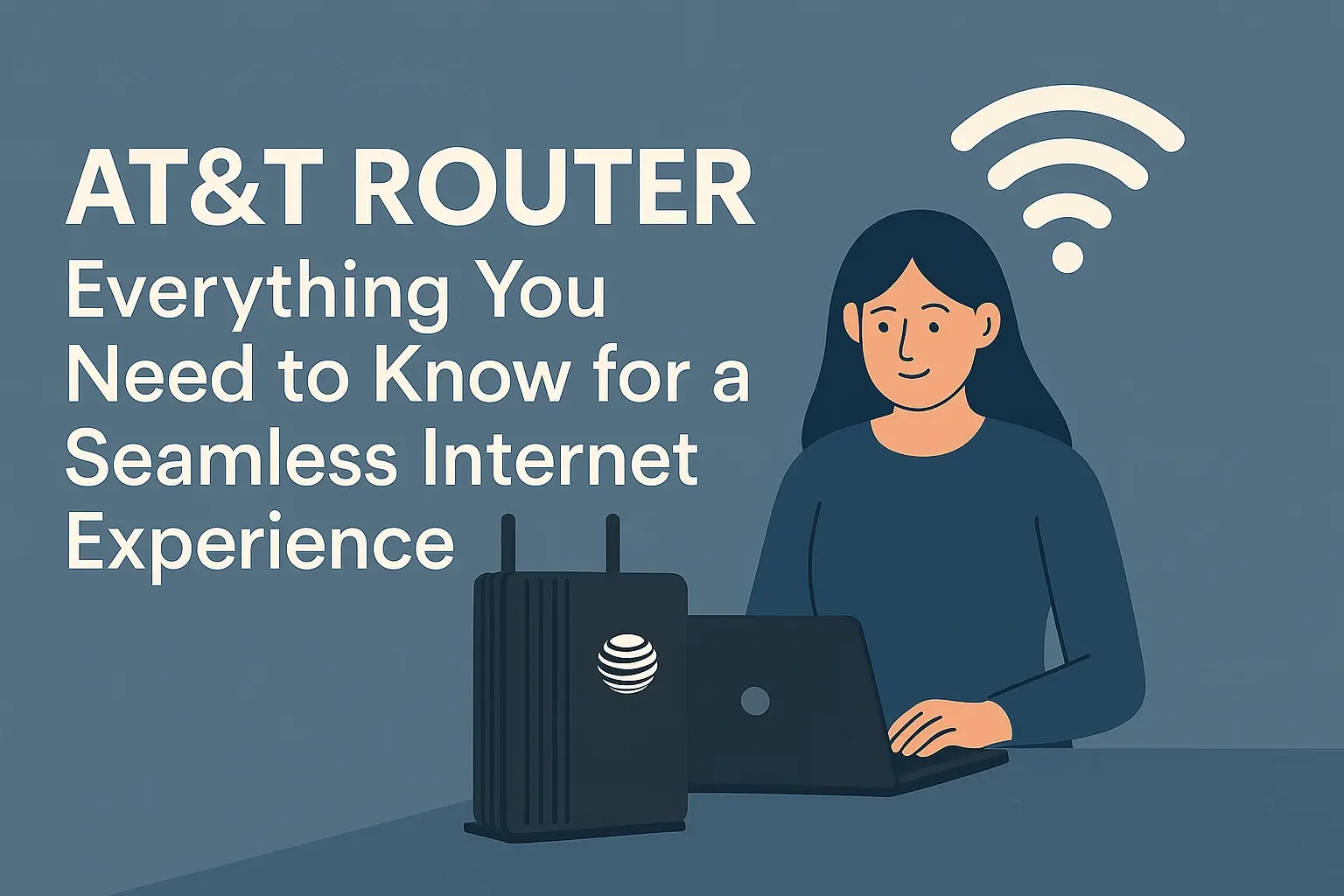
Your modem and router are the gateways for your internet connection within your home. If these devices are outdated, underpowered, or not configured correctly, they can significantly limit the speeds you receive, even from a high-speed fiber line. Older modems might not support the gigabit speeds your fiber plan offers. Similarly, routers, especially those provided by ISPs, may have limited processing power or Wi-Fi capabilities that can't keep up with the incoming data stream. For instance, a router that only supports older Wi-Fi standards like Wi-Fi 4 (802.11n) will struggle to deliver the full potential of a gigabit fiber connection to multiple devices wirelessly. In 2025, many households have numerous connected devices, from smart TVs and gaming consoles to multiple smartphones and IoT devices, all vying for bandwidth. An insufficient router can become a major bottleneck, slowing down all connected devices.
Router Firmware Issues
Like any piece of technology, routers rely on firmware for their operation. Outdated or corrupted firmware can lead to performance issues, including slow speeds and dropped connections. Manufacturers regularly release firmware updates to improve performance, patch security vulnerabilities, and add new features. Failing to update your router's firmware can leave you with a device that's not operating at its optimal level, directly impacting your internet speed.
Suboptimal Router Placement
For Wi-Fi connections, the physical location of your router plays a critical role. Placing your router in a corner, behind furniture, near metal objects, or in a basement can obstruct the Wi-Fi signal, leading to weaker signals and slower speeds in different parts of your home. For fiber, while the initial connection is wired, the Wi-Fi signal emanating from the router is what most devices use. A strong, consistent Wi-Fi signal is essential for experiencing the full benefits of your fiber plan throughout your home.
Network Congestion at the ISP Level
Even with fiber optics, the internet service provider's (ISP) network can experience congestion. This is particularly true during peak hours when many users in your neighborhood are online simultaneously, consuming bandwidth. While fiber is less susceptible to the same type of congestion as older technologies like cable, it's not entirely immune. If your ISP has oversold capacity in your area, or if there's a high demand for bandwidth due to popular streaming events or gaming releases, you might experience slower speeds. ISPs manage network traffic, and during periods of high demand, they may implement traffic management techniques that can temporarily reduce speeds for some users. In 2025, with the proliferation of 4K streaming, cloud gaming, and remote work, peak hour congestion remains a relevant concern for many.
ISP Maintenance and Outages
Planned maintenance or unexpected outages on your ISP's network can also lead to temporary slowdowns or complete service interruptions. While ISPs strive to minimize disruption, these events can occur. It's always a good idea to check your ISP's status page or contact their support to see if there are any reported issues in your area.
Wi-Fi Interference and Limitations
While fiber itself is immune to electromagnetic interference, the Wi-Fi signal that carries the internet from your router to your devices is not. Several sources of interference can degrade your Wi-Fi signal and lead to slower speeds:
- Other Wi-Fi Networks: In densely populated areas, multiple Wi-Fi networks operating on the same or overlapping channels can interfere with each other.
- Household Appliances: Microwaves, cordless phones, Bluetooth devices, and even some baby monitors can emit radio frequencies that interfere with Wi-Fi signals.
- Physical Obstructions: Walls (especially brick or concrete), metal objects, and large appliances can weaken the Wi-Fi signal.
- Distance from Router: The further your device is from the router, the weaker the signal will be, resulting in slower speeds.
Furthermore, the Wi-Fi standard your router and devices support plays a significant role. Older standards are inherently slower and less efficient. For example, a device connected via Wi-Fi 5 (802.11ac) will perform better than one connected via Wi-Fi 4 (802.11n), and Wi-Fi 6/6E (802.11ax) offers even greater speeds and efficiency, especially in congested environments. In 2025, many new devices come equipped with Wi-Fi 6 or 6E, but if your router is older, you won't be able to leverage these advancements.
Device Limitations and Malware
The devices you use to access the internet can also be a source of slowdowns. Older computers, smartphones, or tablets may have hardware limitations that prevent them from processing data at the speeds your fiber connection can provide. For instance, a device with a slow processor or insufficient RAM might struggle to load complex web pages or stream high-definition video, even with a fast internet connection.
Malware and Viruses
Malware, viruses, and spyware can significantly impact your internet speed. These malicious programs often run in the background, consuming system resources and bandwidth as they communicate with remote servers, download malicious payloads, or participate in botnets. In 2025, sophisticated malware can be particularly stealthy, making regular security scans essential. If your devices are infected, they can effectively hog your internet connection without you even realizing it.
Excessive Background Processes
Even without malware, legitimate background processes on your devices can consume bandwidth. This includes automatic software updates, cloud synchronization services (like Dropbox, Google Drive, or OneDrive), and peer-to-peer file-sharing applications. If these processes are running intensely, they can reduce the bandwidth available for your active browsing or streaming activities.
Outdated Equipment and Cables
Beyond the router and modem, other equipment and the cabling used can be a bottleneck. This includes:
- Ethernet Cables: If you're using older Ethernet cables (e.g., Cat 5), they might not be rated for the gigabit speeds your fiber connection offers. Cat 5e, Cat 6, Cat 6a, or Cat 7 cables are recommended for gigabit and multi-gigabit speeds. A damaged or poorly terminated cable can also cause speed issues.
- Network Interface Cards (NICs): The network card in your computer or other devices must be capable of handling the speeds you're paying for. Older NICs might be limited to 100 Mbps.
- Powerline Adapters: While convenient, powerline adapters can be inconsistent and often don't deliver the advertised speeds, especially over long distances or through complex electrical wiring.
In 2025, it's common for households to have multiple devices connected via Ethernet for optimal performance, especially for gaming consoles and desktop computers. Ensuring these connections are using appropriate, high-quality cables is crucial.
Software and Background Processes
As mentioned earlier regarding device limitations, software plays a significant role. Beyond malware, specific applications can consume a disproportionate amount of bandwidth. This includes:
- Streaming Services: While designed for high-quality streaming, running multiple high-definition or 4K streams simultaneously across several devices can saturate your connection.
- Online Gaming: Downloading game updates, playing online multiplayer games, and using voice chat can all consume considerable bandwidth.
- Video Conferencing: High-definition video calls, especially multiple concurrent ones, require a stable and fast connection.
- File Downloads/Uploads: Large file transfers, whether for work or personal use, will naturally consume a large portion of your available bandwidth.
Understanding how your typical usage patterns align with your internet plan's speed is important. If you're consistently maxing out your connection with these activities, you might need a higher-tier plan.
ISP Throttling and Data Caps
Some ISPs may engage in bandwidth throttling, which is the intentional slowing down of your internet connection. This can happen for various reasons, including managing network congestion, or in some cases, to encourage users to upgrade to more expensive plans. While less common with fiber than with other technologies, it's not unheard of. Additionally, some older or specific fiber plans might still have data caps, although most modern fiber plans offer unlimited data. If your plan has a data cap and you exceed it, your ISP will likely throttle your speeds significantly until the next billing cycle. In 2025, most reputable fiber providers offer unlimited data, but it's always wise to confirm your plan details.
Physical Damage to Fiber Lines
While fiber optic cables are robust, they are not indestructible. Physical damage to the fiber lines, either outside your home (e.g., from construction, weather, or animals) or within your home, can lead to degraded signal quality and slow speeds. Damage can cause light signals to refract or be lost entirely, resulting in intermittent connectivity or significantly reduced speeds. If you suspect physical damage, this is a situation that requires intervention from your ISP, as they are responsible for the integrity of the fiber optic infrastructure.
Troubleshooting Steps to Boost Your Fiber Speed
Now that we've identified the potential causes, let's walk through practical troubleshooting steps you can take to diagnose and resolve slow fiber internet speeds in 2025.
Test Your Speed Accurately
The first and most crucial step is to perform a reliable speed test. For accurate results:
- Use a Wired Connection: Connect your computer directly to your router using an Ethernet cable. This bypasses potential Wi-Fi issues.
- Close Other Applications: Shut down any applications that might be using bandwidth, such as streaming services, downloads, or cloud syncs.
- Use a Reputable Speed Test Site: Popular options include Speedtest.net by Ookla, Fast.com (Netflix), or Google's speed test.
- Test at Different Times: Run tests during peak hours (evenings) and off-peak hours to see if congestion is a factor.
- Test Multiple Devices: If possible, test speeds on different wired devices to rule out device-specific issues.
Compare the results to the speeds advertised in your internet plan. If your wired speed test results are consistently lower than your subscribed plan, the issue likely lies with your ISP or the equipment between your device and the ISP's network.
Restart Your Modem and Router
This is the classic IT solution for a reason – it often works! A simple power cycle can resolve temporary glitches and clear out memory issues in your modem and router. Here's how:
- Unplug the power cords from both your modem and your router.
- Wait for at least 30-60 seconds. This allows the devices to fully discharge.
- Plug the modem back in first. Wait for all its indicator lights to stabilize (usually 1-2 minutes).
- Plug the router back in. Wait for its indicator lights to stabilize.
- Once both devices are fully booted up, test your internet speed again.
This process refreshes the connection to your ISP and can resolve many minor performance hiccups.
Check Your Router Placement and Settings
For Wi-Fi performance, optimizing your router's placement is key:
- Central Location: Place your router in a central location in your home, away from exterior walls and corners.
- Elevated Position: Mount it higher up, on a shelf or wall, rather than on the floor.
- Avoid Obstructions: Keep it clear of furniture, appliances, and large metal objects.
- Minimize Interference: Move it away from other electronics that emit radio frequencies, like microwaves and cordless phones.
Router Settings:
- Firmware Updates: Log in to your router's administration interface and check for firmware updates. Install any available updates. The exact process varies by router model, but you can usually find instructions on the manufacturer's website.
- Wi-Fi Channel: If you live in a crowded area, your Wi-Fi channel might be congested. Log in to your router settings and try changing the Wi-Fi channel. Many routers have an "auto" setting that can select the best channel, but manually selecting a less crowded channel can sometimes improve performance. For 2.4 GHz, channels 1, 6, and 11 are generally best as they don't overlap. For 5 GHz, there are more channels, and interference is typically less of an issue.
- Wi-Fi Band: If your router is dual-band (2.4 GHz and 5 GHz), ensure your devices are connecting to the 5 GHz band when possible, as it offers faster speeds and less interference, albeit with a shorter range.
Upgrade Your Router and Modem
If your speed tests are consistently lower than your subscribed plan, and your ISP confirms no issues on their end, your modem and router are prime suspects. In 2025, for gigabit fiber plans, you'll want a router that supports Wi-Fi 6 or Wi-Fi 6E for the best wireless performance. Ensure your modem is DOCSIS 3.1 (for cable) or has the appropriate ONT (Optical Network Terminal) for fiber that can handle your plan's speeds. Many ISPs allow you to use your own compatible equipment, which can sometimes be more powerful and cost-effective than their provided rental units. Check your ISP's compatibility list before purchasing.
Consider a Wired (Ethernet) Connection
For devices that require the highest speeds and lowest latency (e.g., gaming consoles, desktop computers for work, smart TVs for 4K streaming), a wired Ethernet connection is always superior to Wi-Fi. If you're experiencing slow speeds on these devices, try connecting them directly to your router with a high-quality Ethernet cable (Cat 5e or higher). This eliminates Wi-Fi interference and signal degradation as potential causes.
Scan for Malware and Viruses
Run comprehensive scans on all your devices using reputable antivirus and anti-malware software. Ensure your security software is up-to-date. If any threats are detected, remove them immediately and restart your devices. This is a critical step in ensuring your internet connection isn't being siphoned off by malicious software.
Manage Your Connected Devices
Be mindful of how many devices are actively using your internet connection simultaneously. If you have multiple users streaming 4K video, downloading large files, or gaming online, your bandwidth can be easily consumed. Consider staggering these activities or upgrading your internet plan if this is a frequent occurrence. You can often see a list of connected devices in your router's administration interface and disconnect any unauthorized or unnecessary devices.
Contact Your ISP
If you've gone through the above steps and are still experiencing slow speeds, it's time to contact your Internet Service Provider. Provide them with the results of your wired speed tests, details about your equipment, and the troubleshooting steps you've already taken. They can:
- Check for outages or maintenance in your area.
- Remotely test your modem/ONT.
- Verify your service provisioning.
- Schedule a technician visit if they suspect an issue with the line coming into your home or with their equipment.
Be prepared with specific details to help them diagnose the problem efficiently.
Preventative Measures for Consistent Fiber Speed
To maintain optimal fiber internet speeds in the long term, consider these preventative measures:
- Regularly Update Firmware: Keep your router and modem firmware up-to-date.
- Periodic Equipment Checks: Every few years, assess if your router and modem are still capable of handling your internet plan and the demands of your connected devices.
- Secure Your Wi-Fi Network: Use a strong, unique password for your Wi-Fi network and enable WPA3 encryption if your devices support it.
- Monitor Network Usage: Be aware of what devices are consuming bandwidth and adjust usage during peak times if necessary.
- Consider a Mesh Wi-Fi System: For larger homes or areas with Wi-Fi dead zones, a mesh Wi-Fi system can provide more consistent coverage and better speeds throughout your property.
- Regular Security Scans: Maintain a consistent schedule for running malware and virus scans on all your devices.
- Optimize Device Performance: Keep your operating systems and applications updated, and manage background processes to free up resources.
By proactively managing your home network and devices, you can significantly reduce the likelihood of experiencing slow fiber internet speeds.
In conclusion, while fiber optic internet offers unparalleled speed and reliability, experiencing slow speeds is a possibility due to various factors. From your home network equipment and Wi-Fi interference to ISP-level congestion and device limitations, understanding these common culprits is the first step to resolution. By systematically troubleshooting, starting with wired speed tests and power cycling your equipment, you can often identify and fix the issue. Remember to keep your firmware updated, optimize router placement, and consider hardware upgrades if your current setup is a bottleneck. If problems persist, don't hesitate to contact your ISP. Implementing preventative measures will ensure your fiber connection continues to perform at its best, delivering the high-speed experience you expect in 2025 and beyond.