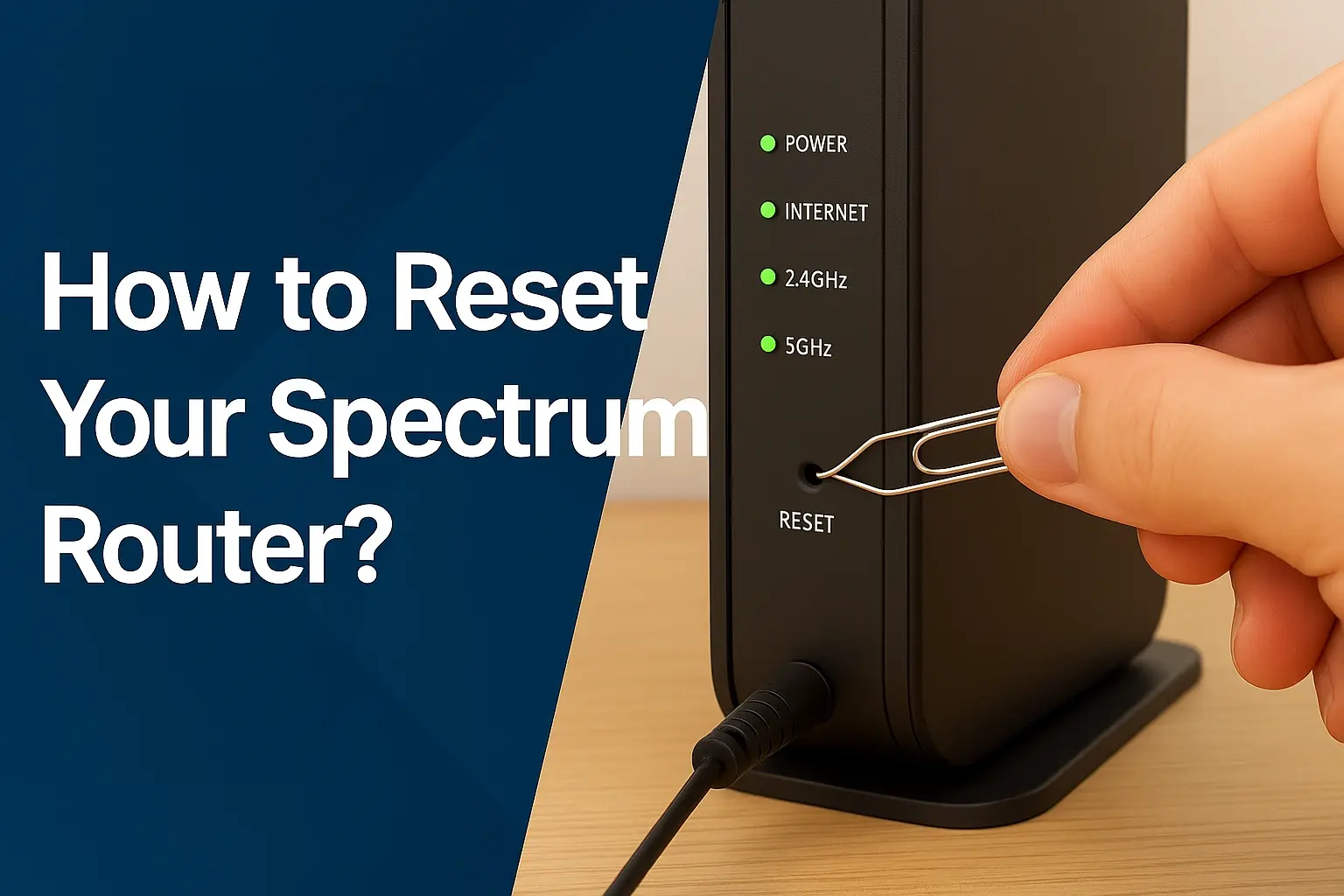
Spectrum internet service disconnection is a concern for many users. This guide delves into the specific circumstances and timelines under which Spectrum might suspend or terminate your internet service, offering clarity and actionable advice to prevent disruptions.
Understanding Spectrum Internet Disconnection
Spectrum, a prominent internet service provider (ISP) in the United States, offers various internet plans to millions of households. Like any service provider, Spectrum has policies in place regarding service termination. Understanding when and why Spectrum might disconnect your internet service is crucial for maintaining uninterrupted connectivity. This isn't just about avoiding the inconvenience; it's about understanding your contractual obligations and the provider's rights. In 2025-26, with increasing reliance on stable internet for work, education, and entertainment, proactive knowledge about service continuity is more important than ever.
Spectrum's disconnection policies are generally aligned with industry standards, but specific timelines and grace periods can vary. The primary drivers for disconnection typically fall into two broad categories: account-related issues, most notably non-payment, and severe policy violations. It's also important to distinguish between a deliberate disconnection by Spectrum and a temporary service outage, which is a different phenomenon altogether.
This comprehensive guide will explore the multifaceted reasons behind Spectrum internet disconnection. We will break down the typical scenarios, outline the steps Spectrum takes before enacting a disconnection, and provide practical advice on how to avoid service interruptions and what to do if your service is unexpectedly suspended. By the end of this article, you will have a clear understanding of "When Does Spectrum Disconnect Internet Service" and how to navigate potential issues.
Key Reasons for Spectrum Internet Disconnection
Spectrum, like all service providers, reserves the right to disconnect services for a variety of reasons. These reasons are typically outlined in the terms of service agreement that customers agree to upon signing up. While some reasons are straightforward and common, others might be less obvious but equally impactful. Understanding these core reasons is the first step in ensuring your service remains active and reliable.
The most frequent cause for disconnection is, without question, related to billing and payment. However, Spectrum also has policies concerning account activity, adherence to acceptable use policies, and even technical limitations that could lead to a disconnection. Let's explore these in detail.
Non-Payment: The Most Common Reason
The primary reason Spectrum disconnects internet service is non-payment of bills. This is a standard practice across the telecommunications industry. Spectrum aims to provide a service and expects timely compensation for it. When payments are missed, Spectrum initiates a process that can ultimately lead to service termination.
The typical process for non-payment disconnection in 2025-26 involves several stages:
- Late Payment Notifications: After the due date passes without payment, Spectrum will typically send out reminders. These can be in the form of email notifications, text messages, or even postal mail. These notifications usually inform the customer that their account is past due and what the outstanding balance is.
- Grace Period: Spectrum, like many ISPs, often provides a grace period after the due date before initiating any drastic actions. This grace period can vary but is often around 10-15 days. During this time, the customer can still pay their bill without immediate service interruption.
- Service Suspension (Temporary Disconnection): If payment is still not received after the grace period, Spectrum may temporarily suspend the internet service. This is often referred to as a "soft disconnection." The account is still active, but the internet is not functional. This suspension is a strong signal to the customer that action is required.
- Reconnection Fees: Upon suspension, Spectrum will usually outline the steps and costs associated with restoring service. This often includes paying the outstanding balance plus a potential reconnection fee.
- Final Notice and Termination: If the account remains unpaid and the service is suspended for an extended period (the exact duration can vary, but often it's around 30-60 days past due), Spectrum will send a final notice. This notice will state that if the balance is not settled by a specific date, the service will be permanently disconnected, and the account may be sent to collections.
- Permanent Disconnection: Once permanently disconnected, the customer will need to reapply for service, potentially pay a new installation fee, and settle all outstanding balances to regain service.
Factors influencing the timeline:
- Billing Cycle: The specific date within your billing cycle that the payment is due.
- Payment Method: Some payment methods might have slight delays in processing.
- Spectrum's Internal Policies: While general guidelines exist, Spectrum's internal procedures can influence the exact timing.
It's important to note that Spectrum's automated systems often manage these processes. However, customer service representatives can sometimes offer extensions or payment plans if you contact them proactively before your service is suspended.
Account Activity and Disconnection
Beyond direct non-payment, certain account activities or inactivities can also lead to disconnection. These are often related to maintaining an active and valid service agreement.
1. Account Termination by Customer:
If a customer chooses to terminate their service with Spectrum, the disconnection is initiated by the customer themselves. This usually involves contacting Spectrum customer service, scheduling a service disconnection date, and returning any leased equipment (like modems or routers) to avoid additional charges.
2. Moving or Relocating:
If you move to an area not serviced by Spectrum, or if you move within a Spectrum-served area but fail to transfer your service, your account might eventually be closed. Spectrum typically requires active service at a physical address. If you're moving, it's essential to inform Spectrum of your new address and arrange for service transfer or disconnection. Failing to do so could lead to confusion and potential disconnection of service at the old address if it's no longer occupied and accounted for.
3. Account Inactivity (Less Common for Internet):
While less common for essential services like internet, some providers might have policies regarding prolonged inactivity on an account, especially if there are associated equipment leases. However, for internet service, this is rare unless the account is formally suspended or canceled.
4. Fraudulent Activity or Misrepresentation:
Spectrum reserves the right to disconnect service if it detects fraudulent activity, such as providing false information during account setup, using stolen payment methods, or engaging in other deceptive practices. This is a serious violation of the terms of service.
5. Breach of Terms of Service:
Spectrum's Terms of Service (TOS) outline acceptable use of their network. Engaging in activities that violate these terms, such as illegal activities (e.g., copyright infringement on a massive scale, distribution of illegal content), or using the service in a way that significantly harms the network or other users, can lead to disconnection. This is often a last resort after warnings have been issued.
6. Outstanding Debt from Previous Accounts:
If you have a history of unpaid bills with Spectrum from a previous account, they may refuse to provide new service or could disconnect existing service if they discover this information and deem it a credit risk. This is part of their customer vetting process.
Technical Issues and Service Disruption
While not a direct "disconnection" in the sense of a punitive action, technical issues can certainly lead to a loss of internet service. It's important to differentiate these from deliberate service termination.
1. Equipment Malfunction:
Your Spectrum-provided modem or router could malfunction. If the equipment is faulty and cannot be repaired or replaced promptly, it can lead to a loss of service. Spectrum is responsible for maintaining the network up to your premises, and their equipment is part of that infrastructure. If their equipment fails, they are obligated to fix or replace it.
2. Network Infrastructure Problems:
Spectrum's network infrastructure (e.g., cables, nodes, central office equipment) can experience failures due to damage, maintenance, or capacity issues. While these are typically classified as outages, prolonged and severe infrastructure problems in a specific area could, in extreme cases, lead to temporary service suspension while repairs are undertaken. However, these are generally not considered "disconnections" in the punitive sense.
3. Unauthorized Equipment:
Using unauthorized or modified equipment that interferes with Spectrum's network can lead to disconnection. Spectrum's TOS usually specifies that only approved equipment can be connected to their network.
4. Tampering with Equipment or Network:
Any attempt to tamper with Spectrum's equipment or network infrastructure is a serious offense and will likely result in immediate disconnection and potential legal action.
It's crucial to report any technical issues you experience promptly to Spectrum. Their technical support team can diagnose problems and dispatch technicians if necessary. Often, these issues are resolved without leading to a permanent disconnection.
Spectrum Disconnection vs. Service Outage
It is vital to distinguish between a Spectrum-initiated disconnection and a service outage. While both result in a loss of internet access, their causes, implications, and resolutions are fundamentally different.
Spectrum Disconnection:
- Cause: Typically due to customer-related issues such as non-payment, violation of terms of service, or account closure.
- Intent: A deliberate action taken by Spectrum to cease service to a specific account.
- Notification: Usually preceded by notifications and warnings, especially in cases of non-payment.
- Resolution: Requires the customer to address the underlying issue (e.g., pay the bill, resolve a policy violation) and potentially pay reconnection fees.
- Scope: Affects a specific customer's account.
Service Outage:
- Cause: External factors affecting Spectrum's network, such as equipment failure, power outages, natural disasters, maintenance, or accidental damage to infrastructure (e.g., construction crews hitting a cable).
- Intent: An unintentional disruption of service affecting multiple users in a geographical area.
- Notification: Spectrum may notify affected customers via email, text, or app alerts, but often customers discover outages themselves.
- Resolution: Spectrum is responsible for repairing the network issue. Customers typically have to wait for the service to be restored. There are usually no fees associated with outages.
- Scope: Affects a broader geographical area or a segment of Spectrum's network.
How to check for outages:
If your internet goes down, the first step is to determine if it's a disconnection or an outage. You can usually check for reported outages by:
- Visiting the Spectrum Support page on their website.
- Using the Spectrum mobile app.
- Contacting Spectrum customer service.
If there's a known outage, Spectrum will typically provide an estimated time for restoration. If no outage is reported and your service is down, and you haven't received any disconnection notices, it's likely an issue with your equipment or internal wiring, and you should contact Spectrum for technical support.
How to Prevent Spectrum Internet Disconnection
The best approach to dealing with Spectrum internet disconnection is to prevent it from happening in the first place. Proactive management of your account and adherence to Spectrum's policies are key. Here’s a breakdown of how to ensure your service remains active:
1. Pay Your Bills On Time:
- Set up AutoPay: This is the most effective way to ensure you never miss a payment. You can link your bank account or credit/debit card to your Spectrum account for automatic monthly payments.
- Payment Reminders: If you prefer manual payments, set up calendar reminders a few days before your due date.
- Understand Your Due Date: Be aware of when your bill is due each month and factor in any processing time for your chosen payment method.
- Contact Spectrum for Payment Issues: If you anticipate difficulty in making a payment, contact Spectrum customer service before the due date. They may be able to offer a short extension or a payment arrangement.
2. Keep Your Account Information Up-to-Date:
- Current Address: Ensure Spectrum has your correct mailing and service addresses. This is crucial if you move.
- Contact Information: Keep your email address and phone number current so you receive important notifications from Spectrum.
3. Understand and Adhere to the Terms of Service:
- Acceptable Use Policy: Familiarize yourself with Spectrum's Acceptable Use Policy (AUP). Avoid engaging in activities that are prohibited, such as illegal downloads, spamming, or network abuse.
- Equipment: Use only approved modems and routers. If you rent equipment from Spectrum, ensure it's in good working order and returned if you cancel service.
4. Report Technical Issues Promptly:
- If you experience intermittent service, slow speeds, or complete loss of connection, contact Spectrum's technical support immediately. Early reporting can prevent minor issues from escalating and potentially leading to more significant problems.
- Document any issues you report, including dates, times, and the names of representatives you speak with.
5. Communicate with Spectrum:
- If you plan to move, cancel service, or anticipate any changes that might affect your account, communicate with Spectrum well in advance. This proactive communication can help avoid misunderstandings and unexpected disconnections.
- If you are experiencing financial hardship, reach out to Spectrum to discuss potential solutions. Ignoring the problem will only lead to disconnection.
6. Review Your Bills:
- Regularly review your Spectrum bills for accuracy. Ensure you are being charged correctly and that there are no unexpected fees.
By following these preventative measures, you can significantly reduce the likelihood of experiencing a Spectrum internet disconnection and maintain a stable, reliable internet connection.
What to Do If Your Spectrum Internet is Disconnected
Experiencing a Spectrum internet disconnection can be frustrating, especially if it was unexpected. However, there are clear steps you can take to resolve the issue and restore your service.
1. Determine the Reason for Disconnection:
- Check for Notifications: Review your email, physical mail, and text messages for any communication from Spectrum regarding your account status. Look for late payment notices, final disconnection warnings, or policy violation alerts.
- Check Your Account Online: Log in to your Spectrum online account portal. It often displays your current balance, payment history, and any service alerts.
- Verify Service Status: Sometimes, a simple modem/router reboot can resolve temporary glitches. Unplug your modem and router, wait 30 seconds, and plug them back in. If service doesn't return, proceed to the next steps.
2. Contact Spectrum Customer Service:
- This is the most crucial step. Call Spectrum's customer service number. Be prepared to provide your account information.
- If Disconnected for Non-Payment:
- Inquire about the outstanding balance and any associated late fees or reconnection charges.
- Ask about the process for restoring service. This typically involves paying the full amount owed.
- Confirm the timeline for service restoration after payment is made. Spectrum aims to restore service as quickly as possible once payment is confirmed, often within a few hours, but it can sometimes take up to 24 hours.
- Ask about payment options if you are facing financial hardship.
- If Disconnected for Policy Violation or Other Reasons:
- Ask for a clear explanation of the specific violation.
- Inquire about the steps you need to take to rectify the situation and have service reinstated.
- Understand if the disconnection is permanent or if there is a possibility of re-establishing service.
3. Make the Necessary Payment or Rectify the Issue:
- Once you understand what needs to be done, take immediate action. Pay any outstanding bills, late fees, and reconnection charges.
- If the disconnection was due to a policy violation, follow Spectrum's instructions precisely to address the issue.
4. Confirm Service Restoration:
- After making a payment or rectifying an issue, confirm with Spectrum when your service is expected to be restored.
- Once the estimated restoration time passes, check your internet connection.
- If service is still not restored, contact Spectrum customer service again to follow up.
5. Consider Reapplying if Service is Permanently Disconnected:
- In cases of severe or repeated policy violations, or if a significant amount of debt remains unpaid, Spectrum may permanently disconnect your service.
- If this happens, you will likely need to reapply for service as a new customer. This may involve a new installation fee, a security deposit, and potentially a different service plan.
Important Considerations:
- Be Polite and Patient: While frustrating, maintaining a calm and polite demeanor with customer service representatives can lead to more productive conversations.
- Document Everything: Keep records of all communications, payments, and reference numbers.
- Understand Your Contract: Refer back to your Spectrum service agreement for specific details on disconnection and reconnection policies.
By following these steps, you can navigate the process of getting your Spectrum internet service back online efficiently.
Spectrum Policies and Legalities
Spectrum's operations and customer service policies are governed by federal and state regulations, as well as the terms and conditions that customers agree to. Understanding these legal frameworks provides context for why and how Spectrum disconnects service.
1. Terms of Service (TOS) and Customer Agreements:
When you sign up for Spectrum service, you enter into a legally binding contract. This contract, often referred to as the Terms of Service or Customer Agreement, details the rights and responsibilities of both Spectrum and the customer. Key clauses typically cover:
- Payment Obligations: The customer's responsibility to pay for services rendered by the due date.
- Acceptable Use Policy (AUP): Prohibitions against illegal activities, network abuse, and other harmful behaviors.
- Equipment Use: Rules regarding the use of Spectrum-provided or customer-owned equipment.
- Service Disconnection: Spectrum's right to suspend or terminate service under specific conditions, such as non-payment or violation of terms.
- Dispute Resolution: Procedures for resolving disagreements between the customer and Spectrum.
It is crucial for customers to read and understand these documents, as they form the basis of the service relationship. In 2025-26, these agreements are readily available on Spectrum's website.
2. Regulatory Oversight:
Internet service providers like Spectrum are subject to oversight by various government agencies, including the Federal Communications Commission (FCC) in the United States. While the FCC primarily focuses on broadband deployment, competition, and network neutrality, it also sets certain consumer protection standards. State public utility commissions (PUCs) may also have jurisdiction over telecommunications services within their respective states, though their authority over broadband internet can vary.
These regulations often mandate:
- Clear Disclosure: ISPs must clearly disclose pricing, fees, and terms of service.
- Consumer Protections: Regulations may outline requirements for handling billing disputes, service outages, and service disconnections. For instance, many regulations require ISPs to provide reasonable notice before terminating service for non-payment.
- Accessibility: Requirements for making services accessible to individuals with disabilities.
3. Data Privacy and Security:
While not directly related to disconnection for non-payment, Spectrum's handling of customer data is also subject to privacy laws. However, if a customer engages in illegal activities that involve data breaches or misuse of data, this could be grounds for service termination under their AUP.
4. Collection Practices:
If an account is permanently disconnected due to unpaid debt, Spectrum may engage third-party collection agencies to recover the outstanding amount. These agencies must adhere to federal laws like the Fair Debt Collection Practices Act (FDCPA), which regulates how debt collectors can interact with consumers.
5. Equipment Tampering and Illegal Use:
Any illegal tampering with Spectrum's network infrastructure or equipment is a criminal offense and will lead to immediate disconnection, potential fines, and prosecution. This falls under broader laws related to telecommunications fraud and property damage.
Understanding these legal and policy underpinnings helps customers appreciate the framework within which Spectrum operates and the seriousness of certain actions that can lead to disconnection.
Future Trends in ISP Disconnection Policies (2025-26)
The landscape of internet service provision is constantly evolving, driven by technological advancements, changing consumer expectations, and regulatory shifts. As we look ahead to 2025-26, several trends are likely to influence how ISPs, including Spectrum, handle service disconnections.
1. Increased Automation and AI in Service Management:
Expect to see more sophisticated use of artificial intelligence and machine learning in managing customer accounts and service. This could lead to:
- Proactive Issue Detection: AI might identify potential payment issues or policy violations earlier, allowing for more targeted interventions or automated notifications.
- Personalized Payment Plans: AI could analyze customer payment histories to offer more tailored payment arrangements to those facing temporary financial difficulties.
- Faster Reconnection: Automated systems could expedite service restoration once payment is confirmed or issues are resolved.
2. Enhanced Digital Communication Channels:
While phone calls will remain, ISPs will likely rely more heavily on digital channels for communication regarding service status. This includes:
- In-App Notifications: More detailed and immediate alerts via Spectrum's mobile app for payment reminders, service suspensions, and outage updates.
- Chatbots and Virtual Assistants: Advanced chatbots capable of handling a wider range of queries related to billing, service status, and disconnection procedures.
- Personalized Customer Portals: Online dashboards providing real-time information on account status, payment history, and service alerts.
3. Focus on Customer Retention and Flexible Solutions:
In a competitive market, ISPs are increasingly prioritizing customer retention. This could translate to:
- More Lenient Grace Periods: Potentially longer grace periods or more flexible reconnection policies for loyal customers or those demonstrating a commitment to resolving issues.
- Tiered Disconnection Processes: Moving beyond a simple disconnect/reconnect model to more nuanced approaches, such as temporary speed throttling or limited access before full disconnection.
- Partnerships for Financial Assistance: ISPs might explore partnerships with financial institutions or non-profits to offer customers resources for managing bills during economic downturns.
4. Stricter Enforcement of Acceptable Use Policies:
As internet usage becomes more integrated into critical aspects of life (remote work, telemedicine, education), ISPs may adopt a firmer stance on activities that compromise network integrity or security. This could lead to quicker disconnections for severe AUP violations, especially those impacting public safety or the functionality of the network for others.
5. Regulatory Scrutiny on Disconnection Practices:
Consumer advocacy groups and regulatory bodies will likely continue to scrutinize ISP disconnection practices, particularly concerning transparency, fairness, and the impact on vulnerable populations. This could lead to new regulations mandating clearer communication, longer notice periods, or restrictions on certain disconnection practices, especially during widespread emergencies.
6. Impact of 5G and Alternative Technologies:
The continued rollout of 5G home internet and other fixed wireless solutions may influence traditional ISP disconnection policies. As competition intensifies, ISPs might become more customer-centric to retain subscribers, potentially softening their disconnection stances in some areas.
These trends suggest a future where ISPs leverage technology to manage service more efficiently while also facing pressure to offer more flexible and customer-friendly solutions regarding service interruptions and disconnections. Proactive communication and a clear understanding of one's account status will remain paramount for users.
In conclusion, Spectrum disconnects internet service primarily due to non-payment, significant breaches of their terms of service, or account closures. While technical issues can cause outages, they are distinct from deliberate disconnections. For 2025-26, Spectrum, like other ISPs, is likely to continue leveraging automation for managing these processes, emphasizing digital communication, and potentially offering more flexible solutions to retain customers. Understanding your billing cycles, adhering to the acceptable use policy, and maintaining open communication with Spectrum are the most effective strategies to prevent service interruptions. If your service is disconnected, act swiftly by contacting customer support, clarifying the reason, and fulfilling any necessary requirements to restore your connection. Staying informed and proactive is key to a seamless internet experience.