Discover what Verizon Fios is: a revolutionary fiber-optic internet and TV service offering unparalleled speed, reliability, and entertainment options. Learn how Fios stands out in the competitive landscape and whether it's the right choice for your home in 2025.
What is Verizon Fios?
Verizon Fios, short for Fiber Optic Service, is a premium telecommunications service offered by Verizon Communications. It provides high-speed internet, television, and phone services delivered through a cutting-edge fiber-optic network. Unlike traditional cable or DSL services that often rely on a mix of fiber and older copper wiring, Fios utilizes pure fiber-optic cables that run directly to your home. This fundamental difference is the key to its superior performance, offering symmetrical download and upload speeds, exceptional reliability, and a consistently fast connection, even during peak usage times. In 2025, Fios continues to be a benchmark for residential internet and entertainment, setting a high standard for speed and quality.
How Does Verizon Fios Work? The Technology Behind the Speed
The magic behind Verizon Fios lies in its advanced fiber-optic technology. Unlike older infrastructure that degrades signal quality over distance and is susceptible to electromagnetic interference, fiber optics transmit data as pulses of light through thin strands of glass or plastic. This method offers several significant advantages that directly translate into a better user experience.
The Fiber-Optic Network Explained
Verizon has invested heavily in building out a comprehensive fiber-optic network, often referred to as "Fiber to the Home" (FTTH). This means that the fiber optic cable extends all the way from Verizon's central office directly to your residence. Here's a breakdown of how it works:
- Data Transmission: Information is encoded into light pulses. These pulses travel through the fiber optic strands at incredibly high speeds, approaching the speed of light.
- Signal Integrity: Light signals are far less susceptible to degradation than electrical signals traveling through copper wires. This means your connection remains strong and consistent, regardless of the distance from the central office or external environmental factors.
- Immunity to Interference: Copper cables can be affected by electrical noise and interference from nearby devices or power lines. Fiber optics, transmitting light, are completely immune to such interference, ensuring a cleaner and more reliable signal.
- Symmetrical Speeds: One of the most significant benefits of fiber optics is the ability to offer symmetrical upload and download speeds. This means your upload speed is as fast as your download speed. This is crucial for activities like video conferencing, uploading large files, online gaming, and streaming to multiple devices simultaneously. Traditional cable or DSL services typically have much slower upload speeds compared to download speeds.
Key Components of the Fios Network
To understand the Fios system, consider these key components:
- Fiber Optic Cables: These are the backbone of the network, carrying data as light signals.
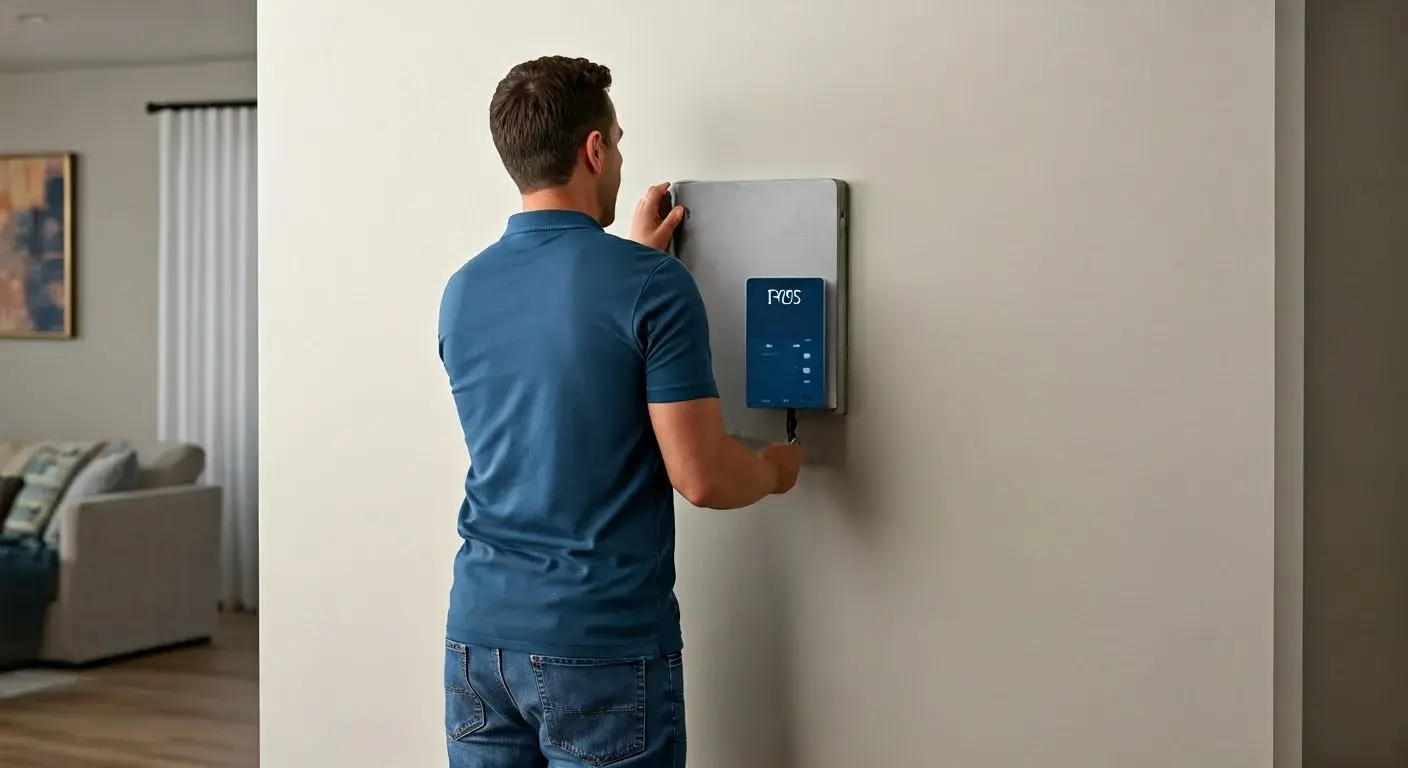
- Optical Network Terminal (ONT): This device is installed at your home, typically where the fiber optic cable enters the building. The ONT converts the light signals from the fiber optic cable into electrical signals that your home network devices (routers, computers, TVs) can understand, and vice versa.
- Verizon Router: Connected to the ONT, the Verizon router distributes the internet connection throughout your home via Wi-Fi or Ethernet cables.
The pure fiber-optic architecture ensures that Verizon Fios delivers a robust and future-proof service, capable of supporting the ever-increasing demands of modern digital life. In 2025, as more devices connect to the internet and data consumption rises, this underlying technology becomes even more critical for a seamless online experience.
Verizon Fios Internet Plans: Speed, Pricing, and Features in 2025
Verizon Fios offers a range of internet plans designed to cater to different user needs and budgets in 2025. The defining characteristic of all Fios internet plans is their reliance on fiber-optic technology, which guarantees high speeds and reliability. Pricing and specific plan details can vary by location and promotional offers, so it's always best to check Verizon's official website for the most accurate, up-to-date information for your address.
Understanding Speed Tiers
Fios internet plans are primarily distinguished by their speed tiers. These speeds are typically advertised as "up to" a certain number of Mbps (Megabits per second). It's important to remember that these are maximum potential speeds, and actual speeds can fluctuate based on network congestion, your home's Wi-Fi setup, and the device you are using. However, with Fios, the speeds are consistently closer to the advertised maximums than with many other technologies.
As of early 2025, common Fios internet speed tiers include:
- 500 Mbps Internet: This is often considered a great starting point for many households. It's more than sufficient for everyday tasks like browsing, streaming HD content on multiple devices, online gaming, and video conferencing.
- 1 Gig Internet (940/880 Mbps): This is a popular choice for power users, larger households, or those who frequently engage in bandwidth-intensive activities. With gigabit speeds, you can download large files in seconds, stream 4K content seamlessly on numerous devices, and support a large number of connected smart home devices without experiencing lag. The actual speeds are often around 940 Mbps download and 880 Mbps upload due to overhead.
- 2 Gig Internet (2000 Mbps): For the most demanding users, Fios offers even higher speed tiers, such as 2 Gig. This plan is ideal for businesses operating from home, households with an extreme number of connected devices, or individuals who require the absolute fastest speeds for professional content creation, massive data transfers, or competitive online gaming.
Key Features and Considerations for 2025
When choosing a Fios internet plan, consider these factors:
- Symmetrical Speeds: As mentioned, all Fios plans offer symmetrical upload and download speeds. This is a significant advantage for content creators, streamers, and those who rely on fast uploads for work or hobbies.
- No Data Caps: Verizon Fios typically does not impose data caps on its internet plans. This means you can use as much data as you need without worrying about overage charges or throttled speeds. This is a major benefit in 2025, with the increasing use of cloud storage, streaming services, and online gaming.
- Equipment: Verizon usually provides a Wi-Fi router as part of the service. While you can often use your own compatible router, the provided equipment is optimized for the Fios network. In 2025, the latest Verizon routers often support Wi-Fi 6 or Wi-Fi 6E for enhanced wireless performance.
- Pricing and Promotions: Verizon frequently offers introductory pricing and promotional deals for new customers. These can include discounts on monthly bills, waived equipment fees, or other perks. It's essential to check for current offers. Contract lengths can vary; some plans may be month-to-month, while others might require a 1- or 2-year commitment for the best pricing.
- Availability: Fios is not available everywhere. Its availability is limited to specific geographic areas where Verizon has invested in deploying its fiber-optic infrastructure.
Example Plan Breakdown (Illustrative - Check Verizon for Current Offers)
Here's a hypothetical example of what a Fios internet plan might look like in 2025:
| Plan Name | Download Speed | Upload Speed | Estimated Monthly Price (with auto-pay) | Key Features |
|---|---|---|---|---|
| Fios 500 Mbps Internet | Up to 500 Mbps | Up to 500 Mbps | ~$60 - $70 | Ideal for moderate use, streaming, gaming, no data caps. |
| Fios Gigabit Connection | Up to 940 Mbps | Up to 880 Mbps | ~$70 - $80 | Excellent for heavy users, 4K streaming, multiple devices, no data caps. |
| Fios 2 Gig Connection | Up to 2000 Mbps | Up to 2000 Mbps | ~$90 - $100 | Top-tier performance for extreme demands, home businesses, no data caps. |
Note: Prices are estimates and do not include potential taxes, fees, or equipment charges. Always verify current pricing and terms directly with Verizon.
Choosing the right Fios internet plan depends on your household's internet usage habits. For most users, the 500 Mbps or Gigabit plan offers an excellent balance of speed, performance, and value.
Verizon Fios TV Packages: Entertainment Tailored to You
Verizon Fios TV offers a robust and customizable television experience, leveraging the same fiber-optic network that powers its internet service. This means high-definition picture quality, reliable signal delivery, and a wide array of channels and features. In 2025, Fios TV continues to evolve, offering flexible packages and on-demand content.
Understanding Fios TV Tiers
Fios TV packages are generally structured around channel lineups, ranging from basic to premium. The core offering typically includes a variety of local channels, news, sports, and entertainment networks. As you move up in package tiers, you gain access to more specialized channels, international programming, and premium movie networks.
- The Most Fios TV: This is Verizon's most comprehensive package, offering the largest selection of channels, including premium movie channels like HBO, Cinemax, Showtime, and The Movie Channel. It's designed for households that want access to a vast library of content and rarely miss a show.
- More Fios TV: A step down from "The Most," this package still provides a substantial number of channels, covering most popular networks for news, sports, and entertainment. It's a good option for families with diverse viewing interests.
- Essentials Fios TV: This is Verizon's entry-level TV package. It includes essential local channels, popular networks, and a selection of basic entertainment and news channels. It's suitable for viewers who primarily watch network television and a few favorite cable channels.
Key Features and Innovations in 2025
Verizon Fios TV is more than just a collection of channels. It offers features designed to enhance the viewing experience:
- On Demand Library: Fios provides access to a vast library of On Demand content, including movies, TV shows, and special programming. You can watch thousands of titles at your convenience, often at no extra charge beyond the subscription cost.
- DVR and Multi-Room Viewing: Fios offers advanced DVR (Digital Video Recorder) services that allow you to record your favorite shows and watch them later. Many DVRs support multi-room viewing, enabling you to watch recorded content on multiple TVs throughout your home.
- Fios App: The Verizon Fios app allows you to manage your account, stream live TV and On Demand content on your mobile devices, and even use your tablet or smartphone as a remote control. This flexibility is crucial in today's connected world.
- 4K Content: As 4K television becomes more prevalent, Fios continues to expand its offering of 4K content, including live sports events and select On Demand titles.
- Customization Options: Beyond the main packages, Fios allows for customization. You can often add specific channel packs (e.g., sports packs, international packs, premium movie channels) to tailor your TV experience precisely to your preferences.
Channel Lineup Examples (Illustrative - Varies by Package and Location)
While exact channel lineups vary, here's a general idea of what you might find:
- Essentials Fios TV: Includes major networks (ABC, CBS, NBC, FOX), CNN, ESPN, HGTV, Food Network, Discovery Channel, and more.
- More Fios TV: Adds channels like AMC, Bravo, Comedy Central, E!, FX, MSNBC, and others.
- The Most Fios TV: Includes all channels from "More Fios TV" plus premium channels like HBO, Showtime, Starz, Cinemax, and The Movie Channel.
It's crucial to review the detailed channel lists provided by Verizon for each package to ensure it meets your viewing needs.
Fios TV Equipment
Verizon provides set-top boxes (STBs) and DVRs for Fios TV service. These devices are designed to work seamlessly with the Fios network. You can rent these from Verizon, and the cost is typically included in your monthly bill. The number of boxes you need depends on how many TVs you wish to connect to the Fios TV service.
In 2025, Fios TV remains a strong contender for cable TV replacement, offering a high-quality, reliable, and feature-rich alternative to traditional satellite and cable providers.
Verizon Fios Phone Services: Keeping You Connected
Verizon Fios also offers home phone services, often bundled with internet and TV packages. Fios Digital Voice is a Voice over Internet Protocol (VoIP) service that utilizes Verizon's fiber-optic network to deliver clear, reliable phone calls.
Features of Fios Digital Voice
Fios Digital Voice offers a range of features that enhance traditional landline service:
- Unlimited Local and Long-Distance Calling: Many Fios phone plans include unlimited calling within the U.S., Canada, and Mexico, providing significant savings for those who make frequent long-distance calls.
- Voicemail: Standard voicemail services are included, allowing you to receive and manage messages.
- Advanced Calling Features: Fios Digital Voice typically includes popular features such as:
- Caller ID
- Call Waiting
- Call Forwarding
- Three-Way Calling
- Anonymous Call Rejection
- Speed Dial
- Voicemail to Email: Some plans offer the convenience of having your voicemails transcribed and sent to your email address.
- International Calling Plans: For users who need to call internationally more frequently, Verizon offers various international calling plans with discounted rates.
Benefits of VoIP for Home Phone
Using VoIP for your home phone service through Fios offers several advantages:
- Cost Savings: Bundling phone service with internet and TV can often lead to lower overall monthly bills compared to subscribing to separate services from different providers. The unlimited calling features also eliminate per-minute charges for many calls.
- Reliability: Because Fios Digital Voice runs on Verizon's dedicated fiber-optic network, it generally offers a more stable and reliable connection than some other VoIP services that might rely on a less robust internet connection.
- Integration: The service is integrated into the Fios ecosystem, making management and billing straightforward.
When to Consider Fios Phone
Fios Digital Voice is a good option if:
- You are already a Verizon Fios internet or TV customer and want to simplify your bills by bundling.
- You make frequent local or long-distance calls within the U.S., Canada, or Mexico.
- You want to take advantage of advanced calling features.
- You are looking for a reliable home phone service that isn't dependent on a separate phone line.
However, if you primarily rely on mobile phones for all your communication needs, you might not require a landline service. It's always wise to compare the cost of Fios phone service against your current usage to determine if it offers genuine savings and value.
Verizon Fios Bundles: Maximizing Value and Convenience
One of the most attractive aspects of Verizon Fios is the opportunity to bundle services. By combining internet, TV, and phone into a single package, customers can often unlock significant savings, simplify their billing, and enjoy a more integrated home entertainment and communication experience. In 2025, bundling remains a key strategy for Verizon to attract and retain customers.
Why Bundle Fios Services?
Bundling offers several compelling benefits:
- Cost Savings: Verizon typically offers discounted pricing when you subscribe to multiple Fios services together. These discounts can add up, making it more affordable than subscribing to each service individually.
- Simplified Billing: Instead of managing multiple bills from different providers, you receive a single, consolidated bill from Verizon for all your Fios services. This makes budgeting and tracking expenses much easier.
- Convenience: Having all your essential home services managed by one provider streamlines customer service interactions. If you have an issue, you only need to contact one company.
- Exclusive Offers: Verizon often provides special promotions and incentives for customers who bundle Fios internet, TV, and phone services.
Common Fios Bundle Combinations
Verizon Fios offers various bundle configurations to suit different needs. The most common combinations include:
- Internet + TV: This is a popular bundle for households that want high-speed internet for streaming, gaming, and browsing, along with a comprehensive TV package for entertainment.
- Internet + Phone: Ideal for users who need reliable internet and a cost-effective home phone service with unlimited calling features.
- Internet + TV + Phone: The triple-play bundle offers the complete Fios experience, providing all three core services at a potentially discounted rate. This is often the most cost-effective option for households that utilize all three services extensively.
Example of Bundle Savings (Illustrative - Check Verizon for Current Offers)
Let's consider a hypothetical scenario for a 2025 bundle:
- Standalone Internet (500 Mbps): $65/month
- Standalone TV (Essentials): $70/month
- Standalone Phone: $30/month
- Total if purchased separately: $165/month
Now, consider a bundle of all three services:
- Fios Triple Play Bundle (500 Mbps Internet, Essentials TV, Digital Voice Phone): $120 - $130/month (estimated)
As you can see, the potential savings from bundling can be substantial, often ranging from $30 to $50 or more per month, depending on the specific plans and current promotions.
Tips for Choosing a Fios Bundle
When selecting a Fios bundle, keep these tips in mind:
- Assess Your Needs: Honestly evaluate how much internet speed you truly need, which TV channels are essential, and whether you still use a landline phone regularly.
- Check Availability: Fios services, and therefore bundles, are only available in specific geographic areas.
- Compare Plans: Don't just look at the total price. Compare the speeds, channel lineups, and features included in different bundles to ensure you're getting the best value for your specific requirements.
- Read the Fine Print: Understand any contract terms, promotional period lengths, and what the price will be after any introductory offers expire. Also, be aware of potential equipment rental fees, taxes, and surcharges.
- Look for Promotions: Verizon frequently runs special offers for new bundle customers, such as discounts for the first 12 or 24 months, waived installation fees, or free equipment upgrades.
By carefully considering your needs and comparing available options, you can leverage Verizon Fios bundles to secure high-quality internet, TV, and phone services at a competitive price in 2025.
Verizon Fios vs. The Competition: A 2025 Comparison
In the competitive landscape of internet and TV services, Verizon Fios stands out due to its pure fiber-optic infrastructure. However, consumers have various alternatives, each with its own strengths and weaknesses. In 2025, understanding these comparisons is crucial for making an informed decision.
Verizon Fios vs. Cable Providers (e.g., Xfinity, Spectrum)
Cable providers have historically been the dominant force in many markets, offering high-speed internet and extensive TV packages.
| Feature | Verizon Fios | Cable Providers (General) |
|---|---|---|
| Technology | Pure Fiber-Optic (FTTH) | Hybrid Fiber-Coaxial (HFC) - Fiber to neighborhood, coaxial cable to home |
| Download Speeds | Symmetrical (e.g., 500/500 Mbps, 1 Gig/1 Gig) | Asymmetrical (e.g., 300 Mbps download / 20 Mbps upload) - Speeds can be very high for downloads, but uploads are typically much slower. |
| Upload Speeds | Symmetrical - As fast as download speeds. | Significantly slower than download speeds. |
| Reliability | Generally higher due to fiber's immunity to interference and degradation. Consistent performance. | Can be affected by network congestion, especially during peak hours, and external interference. |
| Availability | Limited to specific Verizon-served areas. | Wider availability in many urban and suburban areas. |
| Data Caps | Typically no data caps. | Often impose data caps, with potential overage charges or speed throttling. |
| TV Service | High-quality HD, On Demand, DVR. | Extensive channel lineups, On Demand, DVR. |
Key Takeaway: Fios excels in offering symmetrical speeds and superior reliability due to its fiber-optic network. Cable providers may offer broader availability and competitive download speeds but often fall short on upload speeds and may have data caps.
Verizon Fios vs. DSL Providers (e.g., AT&T DSL, CenturyLink DSL)
DSL (Digital Subscriber Line) services use existing telephone lines to deliver internet. While widely available, DSL technology is generally slower and less reliable than both fiber and cable.
| Feature | Verizon Fios | DSL Providers (General) |
|---|---|---|
| Technology | Pure Fiber-Optic (FTTH) | Digital Subscriber Line (DSL) over copper telephone lines |
| Download Speeds | Very High (e.g., 500 Mbps to 2 Gbps) | Significantly Lower (typically up to 100 Mbps, often much less depending on distance from the central office). |
| Upload Speeds | Symmetrical - As fast as download speeds. | Extremely slow, often single digits or low double digits Mbps. |
| Reliability | Excellent, consistent performance. | Can be highly variable and degrade with distance from the exchange. Susceptible to line noise. |
| Availability | Limited to specific Verizon-served areas. | Widely available where telephone service exists. |
| Data Caps | Typically no data caps. | May or may not have data caps, but speeds are often too low for heavy data usage anyway. |
Key Takeaway: Fios is vastly superior to DSL in terms of speed, reliability, and features. DSL is generally only a viable option in areas where no other broadband technology is available.
Verizon Fios vs. 5G Home Internet (e.g., Verizon 5G Home, T-Mobile Home Internet)
Fixed wireless 5G home internet is a newer entrant, leveraging cellular technology to provide home broadband.
| Feature | Verizon Fios | 5G Home Internet (General) |
|---|---|---|
| Technology | Pure Fiber-Optic (FTTH) | Fixed Wireless (5G cellular) |
| Download Speeds | Consistent and High (e.g., 500 Mbps to 2 Gbps). | Variable, can range from 50 Mbps to over 1 Gbps depending on signal strength and network congestion. |
| Upload Speeds | Symmetrical - As fast as download speeds. | Typically much slower than download speeds, and can be inconsistent. |
| Reliability | Extremely High and Consistent. | Can be affected by signal strength, weather, building materials, and cellular network congestion. Less consistent than fiber. |
| Availability | Limited to specific Verizon-served areas. | Expanding rapidly, often available in many areas where fiber is not. |
| Data Caps | Typically no data caps. | Often no data caps, but speeds can be deprioritized during network congestion. |
| Equipment | Requires ONT and router. | Typically a single gateway device. |
Key Takeaway: Fios offers superior consistency and reliability due to its dedicated fiber connection. 5G home internet is a strong contender for availability and potentially lower cost, but performance can be more variable.
Verizon Fios vs. Satellite Internet (e.g., Starlink)
Satellite internet is typically used in remote areas where terrestrial broadband is unavailable.
| Feature | Verizon Fios | Satellite Internet (General) |
|---|---|---|
| Technology | Pure Fiber-Optic (FTTH) | Satellite dish communicating with orbiting satellites. |
| Download Speeds | Very High and Consistent. | Variable, can range from 25 Mbps to over 100 Mbps, but latency is high. |
| Upload Speeds | Symmetrical - As fast as download speeds. | Generally slow, often below 20 Mbps. |
| Reliability | Excellent. | Susceptible to weather conditions (rain, snow), obstructions, and latency issues. |
| Availability | Limited to specific Verizon-served areas. | Available virtually anywhere with a clear view of the sky. |
| Data Caps | Typically no data caps. | Often have data caps or "priority data" thresholds. |
| Latency | Extremely Low. | Very High (significant delay due to distance data travels). |
Key Takeaway: Fios is in a completely different league from satellite internet, offering significantly better speeds, reliability, and low latency. Satellite is a last resort for connectivity in remote locations.
In 2025, Verizon Fios remains a top-tier choice for broadband, particularly in areas where it is available. Its fiber-optic network provides a distinct advantage over many competitors, especially for users who require fast and symmetrical upload speeds, consistent performance, and a reliable connection.
Verizon Fios Installation and Setup: What to Expect
Getting Verizon Fios service installed involves a professional technician visit to your home. While the process is generally straightforward, understanding the steps involved can help ensure a smooth experience. In 2025, Verizon continues to refine its installation procedures for efficiency and customer satisfaction.
The Installation Process
The installation of Verizon Fios typically involves the following stages:
- Scheduling the Appointment: After signing up for Fios service, you will schedule an installation appointment. Verizon will provide available time slots, and you'll need to ensure someone over 18 is present at the home during the entire appointment window.
- Technician Arrival: On the scheduled day, a Verizon-certified technician will arrive at your home. They will typically call ahead to confirm their arrival time.
- Site Survey and Consultation: The technician will assess your home's layout and discuss the best placement for the necessary equipment, including the Optical Network Terminal (ONT) and the Wi-Fi router. They will also determine the best path for running the fiber optic cable into your home.
- Running the Fiber Optic Cable: This is a crucial step. The technician will run a thin fiber optic cable from the nearest network access point outside your home (e.g., a utility pole or underground box) to the interior location where the ONT will be installed. This may involve drilling small holes through exterior walls or using existing conduit. Verizon aims to minimize the visual impact of this cabling.
- Installing the ONT: The ONT is the device that converts the light signals from the fiber optic cable into electrical signals that your home network can use. It's typically installed on an interior wall, often near where the cable enters the house, or in a basement or utility closet.
- Connecting the Router: The Verizon Wi-Fi router will be connected to the ONT via an Ethernet cable. This router will then broadcast your Wi-Fi signal throughout your home.
- Equipment Setup and Testing: The technician will set up your router, connect your devices (if requested and time permits), and perform speed tests to ensure you are receiving the speeds you subscribed to. They will also set up your TV boxes and test the TV service.
- Customer Walkthrough and Q&A: Before leaving, the technician will walk you through the setup, explain how to use the equipment, and answer any questions you may have about your new Fios service.
What to Prepare for the Installation
To ensure a smooth installation, consider the following:
- Clear Access: Ensure the technician has clear access to the exterior of your home where the fiber line will enter, as well as the interior location where you want the ONT and router installed. Move any furniture or clutter that might obstruct these areas.
- Power Outlets: The ONT and router will require power outlets. Make sure there are accessible outlets near the planned installation locations.
- Wi-Fi Router Placement: Think about where you want your Wi-Fi signal to be strongest. Central locations are generally best for optimal coverage.
- Existing Wiring: If you have existing cable or phone jacks, the technician may be able to utilize them for running the new Fios wiring, but this is not always possible.
- Pet and Child Safety: If you have pets or young children, ensure they are safely contained during the technician's visit, as they will be working with tools and potentially drilling.
Self-Installation Options (Rare for Fios)
Unlike some other services, Verizon Fios typically requires professional installation due to the nature of running fiber optic cables and setting up the ONT. Self-installation is generally not an option for new Fios activations.
Post-Installation
Once the installation is complete, you can begin connecting your devices to the Wi-Fi network and setting up your TV. If you encounter any issues, Verizon's customer support is available to assist.
The entire installation process usually takes between 2 to 4 hours, depending on the complexity of the home and the technician's workload. While it requires a commitment of time, professional installation ensures that your Fios service is set up correctly for optimal performance.
Verizon Fios Customer Service and Reliability: A Deep Dive
When choosing an internet and TV provider, customer service and service reliability are paramount. Verizon Fios generally scores well in both these areas, largely due to its robust fiber-optic network and Verizon's established reputation. In 2025, these factors continue to be key differentiators.
Service Reliability
The inherent advantages of fiber-optic technology contribute significantly to Fios's reliability:
- Immunity to Interference: Fiber optic cables transmit data as light, making them immune to electromagnetic interference that can affect cable and DSL lines. This means fewer disruptions due to electrical storms, nearby appliances, or other environmental factors.
- Signal Strength: Light signals degrade much less over distance compared to electrical signals in copper wires. This ensures consistent speeds and performance even for customers located further from Verizon's central facilities.
- Symmetrical Speeds: The ability to offer symmetrical upload and download speeds means that your connection is robust for all types of online activities, from streaming and gaming to video conferencing and uploading large files. This consistency is a hallmark of reliable service.
- Network Redundancy: Like most major telecommunications providers, Verizon invests in redundant network pathways to minimize the impact of localized outages.
According to various industry reports and customer satisfaction surveys from 2024 and early 2025, Verizon Fios consistently ranks among the top providers for internet reliability, often praised for its minimal downtime and consistent performance.
Customer Service Experience
Verizon offers multiple channels for customer support:
- Online Support: Verizon's website provides a comprehensive self-help portal with FAQs, troubleshooting guides, account management tools, and the ability to schedule technician appointments or chat with support agents.
- Phone Support: Customers can call Verizon's customer service lines for assistance with billing, technical issues, or service inquiries. Wait times can vary, but generally, Verizon aims to provide efficient support.
- In-App Support: The My Verizon app and Fios app offer convenient ways to manage your account, pay bills, and access support resources.
- Social Media: Verizon is active on social media platforms, offering customer service through channels like Twitter, where they often provide prompt responses to inquiries.
Customer feedback on Verizon's support can be mixed, as is common with large service providers. While many customers report positive interactions, particularly with knowledgeable technicians, some may experience longer wait times or challenges resolving complex issues. However, Verizon's commitment to its fiber network often means that technical support is well-equipped to handle Fios-specific issues.
Troubleshooting Common Issues
If you experience issues with your Fios service, here are common troubleshooting steps:
- Reboot Your Equipment: The first step for most internet or TV issues is to power cycle your modem/ONT and router. Unplug them, wait 30 seconds, and plug them back in.
- Check Connections: Ensure all cables are securely connected to the ONT, router, and your devices.
- Test Different Devices: If Wi-Fi is slow, try connecting a device directly to the router with an Ethernet cable to see if the issue is with your Wi-Fi signal or the internet service itself.
- Check for Outages: Visit Verizon's website or use the My Verizon app to check if there are any reported outages in your area.
- Contact Support: If basic troubleshooting doesn't resolve the issue, contact Verizon customer support for further assistance.
In 2025, Verizon Fios continues to leverage its fiber-optic infrastructure to provide a reliable service, supported by a multi-channel customer service network designed to address customer needs effectively.
The Pros and Cons of Choosing Verizon Fios in 2025
Like any service, Verizon Fios has its advantages and disadvantages. Understanding these can help you determine if it's the right fit for your household's needs and budget in 2025.
Pros of Verizon Fios
- Superior Internet Speeds: Fios offers some of the fastest internet speeds available, with symmetrical upload and download speeds up to 2 Gbps. This is ideal for heavy internet users, gamers, streamers, and those who work from home.
- Exceptional Reliability: The fiber-optic network is inherently more reliable and less prone to interference than cable or DSL. This translates to consistent performance and fewer service interruptions.
- No Data Caps: Verizon Fios typically does not impose data caps, allowing users to stream, download, and browse without worrying about exceeding usage limits or incurring extra charges. This is a significant advantage in 2025 with increasing data consumption.
- High-Quality TV Service: Fios TV offers crisp HD picture quality, a vast On Demand library, and advanced DVR capabilities.
- Bundling Options: Significant savings can be achieved by bundling internet, TV, and phone services, simplifying billing and reducing overall costs.
- Competitive Pricing (Especially with Promotions): While Fios can be a premium service, Verizon frequently offers attractive introductory pricing and promotions that make it competitive with other providers.
- No Annual Contracts (Often): Many Fios plans offer month-to-month flexibility, allowing you to change or cancel service without long-term commitments, although longer contracts might offer better pricing.
Cons of Verizon Fios
- Limited Availability: This is the biggest drawback. Fios is only available in specific geographic areas where Verizon has invested in deploying its fiber-optic infrastructure. Many parts of the country do not have access to Fios.
- Potentially Higher Base Price: Without promotions, Fios plans can sometimes be more expensive than comparable cable or DSL plans, especially for lower speed tiers.
- Installation Requirements: Professional installation is typically required, which means scheduling an appointment and having a technician visit your home.
- Equipment Rental Fees: While often included in bundles or promotions, there can be monthly fees for renting Fios equipment like routers and set-top boxes.
- Customer Service Variability: While generally good, customer service experiences can sometimes be inconsistent, with potential for long wait times or difficulty resolving complex issues.
In 2025, the decision to choose Verizon Fios largely hinges on its availability in your area and your specific internet and entertainment needs. If Fios is an option for you, its performance and reliability are hard to beat.
Is Verizon Fios Right for Your Home? Making the Decision
Deciding whether Verizon Fios is the best choice for your home in 2025 involves weighing its strengths against your specific needs and considering its availability. By now, you understand the technology, the services offered, and how Fios stacks up against competitors.
Key Questions to Ask Yourself:
- Is Fios Available in My Area? This is the first and most critical question. If Fios is not offered at your address, the decision is made for you, and you'll need to explore other providers.
- What Are My Internet Speed Needs?
- Basic Use (Browsing, Email, Light Streaming): A 300-500 Mbps plan might suffice.
- Moderate Use (Multiple Streamers, Online Gaming, Video Calls): A 500 Mbps or Gigabit plan is recommended.
- Heavy Use (Large File Transfers, Content Creation, Many Connected Devices): A Gigabit or 2 Gig plan would be ideal.
- Do I Need Symmetrical Upload Speeds? If you frequently upload large files, stream live content, participate in high-quality video conferences, or engage in competitive online gaming where upload speed is critical, Fios's symmetrical speeds are a significant advantage.
- How Important is Reliability? If consistent, uninterrupted service is a top priority, Fios's fiber-optic network offers superior reliability compared to many other technologies.
- What Are My TV Viewing Habits? Consider the channel lineups of Fios TV packages and whether they meet your entertainment needs. If you're a cord-cutter looking for a premium TV experience, Fios is a strong contender.
- Do I Still Use a Landline Phone? If so, bundling Fios Digital Voice can offer cost savings and convenience.
- What is My Budget? Compare the total cost of Fios packages (including any potential fees and after promotional periods) with other providers in your area. Look for current promotions that can significantly reduce the initial cost.
- Am I Comfortable with Professional Installation? Fios requires a technician visit, which means scheduling an appointment and being home for a few hours.
Making the Final Decision
If Verizon Fios is available in your area and its features align with your needs, it's often an excellent choice, particularly if you prioritize speed, reliability, and symmetrical upload capabilities. The lack of data caps is also a major plus in today's data-heavy digital environment.
However, if Fios is not available, or if your budget is extremely tight and you can find a significantly cheaper alternative with acceptable speeds and reliability, you may need to consider other providers. Always compare the specifics: advertised speeds vs. actual speeds, data caps, contract terms, and customer reviews for any provider you consider.
In summary, Verizon Fios represents the pinnacle of residential broadband technology in 2025. For those fortunate enough to have access, it offers a robust, high-performance solution for internet, TV, and phone services that is difficult to match.
Conclusion
Verizon Fios is a leading telecommunications service that leverages advanced fiber-optic technology to deliver exceptional internet, TV, and phone services. In 2025, its commitment to pure fiber-to-the-home (FTTH) infrastructure continues to set it apart, offering unparalleled symmetrical speeds, remarkable reliability, and a consistent user experience. Whether you're a heavy streamer, a remote worker, a dedicated gamer, or simply someone who values a dependable connection, Fios provides the bandwidth and performance to meet demanding needs. The service's attractive features, such as no data caps and a vast on-demand library for TV, further enhance its value proposition. While availability remains its primary limitation, for those in Fios-served areas, it stands as a superior choice, often outperforming cable, DSL, and even emerging 5G home internet solutions in terms of raw speed and consistency.
To determine if Verizon Fios is right for you, first confirm its availability at your address. If it is, carefully assess your household's internet usage, TV viewing habits, and budget. Consider the significant benefits of symmetrical upload speeds for modern digital tasks and the peace of mind that comes with a highly reliable network. Explore the various internet speed tiers, TV packages, and bundle options to find the best fit. Take advantage of current promotions, but always be mindful of pricing after introductory periods. By making an informed decision based on these factors, you can harness the power of Verizon Fios to elevate your home's connectivity and entertainment experience in 2025 and beyond.