Uncover the definitive answer to "What is the limit on AT&T Fiber internet?" This comprehensive guide breaks down speed tiers, data caps, and potential limitations, empowering you to make the best choice for your household's connectivity needs in 2025.
Understanding AT&T Fiber Speeds
When discussing internet service, the term "limit" can often refer to a few different aspects: the maximum speed a plan offers, data usage caps, or even geographical availability. For AT&T Fiber, the primary focus for most users is the advertised download and upload speeds. AT&T has positioned its fiber optic network as a premium service, designed to deliver symmetrical speeds, meaning your upload speeds are as fast as your download speeds. This is a significant advantage over traditional cable or DSL internet, where upload speeds are typically much slower.
In 2025, AT&T Fiber offers a range of plans tailored to different household needs and budgets. The advertised speeds are generally the maximum theoretical speeds you can achieve under ideal conditions. It's crucial to understand that these are not absolute hard limits in the sense of a strict ceiling that is never breached, but rather the benchmark performance of the service tier you subscribe to. The actual speed you experience can fluctuate due to various factors, which we will delve into later.
The Core AT&T Fiber Speed Tiers
AT&T Fiber's offerings are structured around distinct speed tiers. While specific plan names and exact speeds can vary slightly by region and ongoing promotions, the general structure remains consistent. Here's a look at the common speed categories you'll find:
100 Mbps Plans (Often Labeled as "Fiber 100" or Similar)
This tier is typically AT&T's entry-level fiber offering. While it might seem modest compared to higher tiers, 100 Mbps symmetrical speed is more than adequate for many households. It can comfortably support:
- Streaming HD video on 1-2 devices simultaneously.
- Web browsing and email for multiple users.
- Online gaming for casual players.
- Video conferencing for a few participants.
The "limit" here is the maximum throughput. If you have many devices online, or if you're engaging in very bandwidth-intensive activities like downloading large files frequently, you might find yourself wishing for more speed. However, for standard daily internet use, 100 Mbps is a robust starting point.
300 Mbps Plans (Often Labeled as "Fiber 300" or Similar)
Stepping up to 300 Mbps symmetrical speeds significantly enhances the online experience for more demanding users. This tier is ideal for households with:
- Multiple users streaming 4K video concurrently.
- Significant cloud storage and backup activities.
- More serious online gamers who require low latency and fast downloads.
- Frequent large file downloads or uploads.
- Numerous smart home devices operating simultaneously.
The 300 Mbps limit means that your connection is designed to handle a substantial amount of data traffic without becoming a bottleneck. This is where the true power of fiber begins to shine, offering a smooth experience even under heavy load.
500 Mbps Plans (Often Labeled as "Fiber 500" or Similar)
The 500 Mbps symmetrical speed tier is a sweet spot for many families and power users. It provides ample bandwidth for almost any home internet task, ensuring that even the most demanding applications run without a hitch. This speed is excellent for:
- Supporting a large number of connected devices in a smart home.
- Seamless 4K and even 8K streaming across multiple screens.
- Professional remote work requiring large file transfers and high-quality video calls.
- Enthusiast gamers who download massive game files and stream their gameplay.
- Simultaneous heavy usage by several family members.
At this level, the "limit" is quite high, making it difficult for typical home usage to saturate the connection. The primary benefit here is the headroom it provides for future needs and the elimination of bandwidth as a performance constraint.
Gigabit Speeds (Often Labeled as "Fiber 1 Gig" or "Internet 1 Gig")
AT&T's top-tier fiber offering typically provides speeds of up to 1 Gig (approximately 1000 Mbps) download and upload. This is the pinnacle of residential internet performance. A Gigabit connection is designed for the most intensive internet users and future-proofing your home network. It's perfect for:
- Households with a very high number of connected devices and simultaneous, high-bandwidth activities.
- Users who regularly download and upload extremely large files (e.g., video editors, large data sets).
- Businesses operating from home that require the highest possible internet performance.
- Anyone who wants to ensure their internet is ready for the next decade of technological advancements.
The "limit" on a Gigabit plan is exceptionally high. For most residential users, it's virtually impossible to reach this theoretical maximum due to limitations in home networking equipment (routers, Ethernet cables) and the capabilities of the devices themselves. However, having this capacity ensures that your internet service is never the bottleneck, regardless of how many people or devices are using it simultaneously.
It's important to remember that these are advertised maximum speeds. The actual speeds you receive can be influenced by your home's internal network, the equipment you use, and network congestion, even on a fiber connection. AT&T's fiber network itself is designed for high capacity, but your personal setup plays a crucial role in realizing those speeds.
Data Caps and Usage Limits: The Real Story
One of the most significant advantages of AT&T Fiber, and fiber optic internet in general, is the virtual absence of data caps. In 2025, AT&T Fiber continues its commitment to providing unlimited data for its fiber optic services. This is a stark contrast to many other internet service providers (ISPs) that impose monthly data usage limits, often leading to throttling or overage charges if exceeded.
What Does "Unlimited Data" Mean for AT&T Fiber?
When AT&T advertises "unlimited data" for its Fiber plans, it means precisely that. You can download and upload as much data as your connection allows without incurring any additional charges or experiencing reduced speeds due to usage. This is a critical differentiator for heavy internet users.
Who Benefits Most from Unlimited Data?
Unlimited data is a game-changer for several types of users:
- Heavy Streamers: Watching multiple 4K movies or TV shows daily can consume hundreds of gigabytes of data. Unlimited plans remove the worry of hitting a cap.
- Online Gamers: Downloading large game updates (often 50-100GB or more) and playing online games that require constant data transfer are data-intensive activities.
- Remote Workers: Uploading and downloading large project files, participating in high-definition video conferences, and using cloud-based collaboration tools can add up quickly.
- Families with Multiple Users: When several people in a household are online simultaneously, each with their own devices and activities, the total data consumption can be substantial.
- Smart Home Enthusiasts: Modern smart homes can have dozens of devices constantly communicating, contributing to overall data usage.
- Users of Cloud Storage: Regularly backing up photos, videos, or important documents to cloud services like Google Drive, Dropbox, or iCloud consumes significant upload bandwidth.
The Absence of Overage Charges and Throttling
Because AT&T Fiber plans come with unlimited data, you don't have to monitor your usage closely to avoid penalties. This provides peace of mind and allows you to use the internet as you need it without constantly checking your data meter. Unlike some plans that might throttle your speed after a certain usage threshold, AT&T Fiber maintains your subscribed speed consistently, assuming no other network or equipment issues are present.
Distinguishing Fiber from Other AT&T Services
It's important to note that while AT&T Fiber offers unlimited data, some of AT&T's other internet services (like fixed wireless or older DSL technologies) might have different data policies. Always confirm the specific terms and conditions for the service type you are considering. However, for the high-speed, reliable internet that AT&T Fiber provides, unlimited data is a standard feature.
The "limit" on AT&T Fiber, therefore, is primarily about the maximum speed you subscribe to, not a restriction on how much data you can consume. This makes it an excellent choice for anyone who relies heavily on their internet connection.
Factors Affecting Your Fiber Experience
While AT&T Fiber provides a robust and high-speed connection, the actual internet experience you have can be influenced by several factors beyond the advertised speeds and the absence of data caps. Understanding these elements is key to troubleshooting any perceived "limits" or performance issues.
Your Home Network Equipment
The equipment AT&T provides, or the equipment you purchase yourself, plays a critical role in how effectively you can utilize your fiber connection. This includes the modem/router combo (often called a gateway) and any additional Wi-Fi extenders or mesh systems.
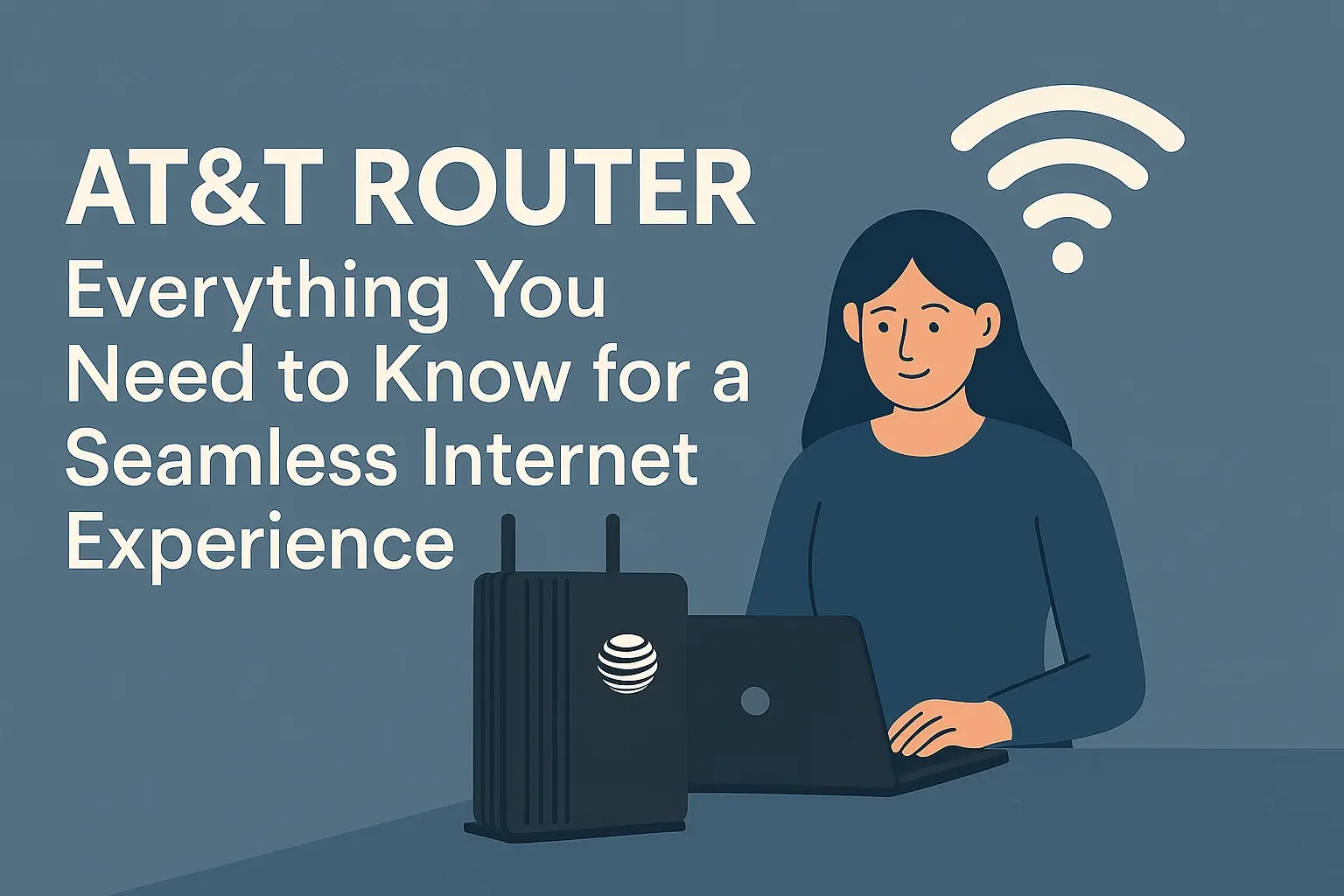
The AT&T Gateway
AT&T typically provides a gateway device that handles both modem and router functions. The capabilities of this gateway can influence the speeds you achieve, especially over Wi-Fi. Newer, higher-end gateways are designed to support gigabit speeds and advanced Wi-Fi standards (like Wi-Fi 6 or Wi-Fi 6E). If you have an older gateway or one that is not rated for the full speed of your plan, it can become a bottleneck. For example, if you have a 1 Gig plan but your gateway's Wi-Fi chip is only rated for 867 Mbps, you won't achieve gigabit speeds wirelessly.
Your Own Router and Wi-Fi Setup
Many users opt to use their own high-performance routers. If you're using your own equipment, ensure it's capable of handling the speeds of your AT&T Fiber plan. An older router might not have the processing power or Wi-Fi standards to deliver full gigabit speeds. Similarly, the placement of your router and the presence of obstructions (walls, large appliances) can significantly impact Wi-Fi performance. For larger homes, a mesh Wi-Fi system might be necessary to ensure consistent coverage and speeds throughout the house.
Ethernet vs. Wi-Fi
For the absolute fastest and most stable connection, especially for bandwidth-intensive tasks like online gaming or large file transfers, a wired Ethernet connection is always recommended. Wi-Fi, while convenient, is susceptible to interference and signal degradation. Even with the best Wi-Fi setup, you will likely see slightly lower speeds compared to a direct Ethernet connection from your device to the router.
Device Limitations
The devices you use to access the internet also have their own limitations. Your smartphone, laptop, smart TV, or gaming console has a network interface card (NIC) and processing power that can affect the speeds it can achieve.
- Older Devices: Devices with older Wi-Fi standards (e.g., Wi-Fi 4/802.11n) will not be able to take full advantage of a high-speed fiber connection.
- Device Processing Power: Even if a device supports the latest Wi-Fi standards, its internal processor might struggle to handle and process data at gigabit speeds, especially when running multiple applications.
- Network Adapter Specs: Ensure your computer's Ethernet port and Wi-Fi adapter are rated for speeds that can match your AT&T Fiber plan. For example, a 100 Mbps Ethernet port will cap your speed regardless of your internet plan.
Network Congestion
While fiber optic networks are designed for high capacity and are generally less prone to congestion than older technologies, it's not entirely immune. Congestion can occur at different points:
- Local Network Congestion: In very densely populated areas, even fiber can experience some level of congestion during peak usage hours, although this is far less common and severe than with cable.
- Server-Side Congestion: The speed of your connection is also dependent on the server you are connecting to. If the website or service you are accessing has slow servers or is experiencing high traffic, your download or upload speeds will be limited by the server, not your AT&T Fiber connection.
- Peering Points: The points where different internet networks connect can sometimes become congested, affecting speeds for traffic traversing those points.
Internal Wiring and Infrastructure
For wired connections, the quality of the Ethernet cables and the internal wiring of your home can play a role. Using older Cat 5 cables, for instance, can limit speeds to 100 Mbps, even if your router and internet plan support much higher speeds. Cat 5e or Cat 6 cables are recommended for gigabit speeds.
Software and Background Processes
Sometimes, software running on your devices can impact perceived internet speed. This includes:
- Antivirus and Firewall Software: Overly aggressive security software can sometimes slow down internet traffic as it scans data.
- Background Downloads/Updates: Operating system updates, game launchers, or other applications downloading content in the background can consume bandwidth.
- VPNs: Using a Virtual Private Network (VPN) can encrypt your traffic, which adds overhead and can reduce your internet speeds.
By understanding these factors, you can better manage your expectations and take steps to optimize your home network for the best possible AT&T Fiber experience. The "limit" is often a combination of the service's potential and your home's setup.
Choosing the Right AT&T Fiber Plan
Selecting the ideal AT&T Fiber plan involves a careful assessment of your household's internet usage habits, the number of connected devices, and your budget. AT&T's tiered structure is designed to cater to a wide spectrum of users, from casual browsers to power users and demanding professionals. Making an informed choice ensures you get the best value and performance without overpaying for unused bandwidth.
Step 1: Assess Your Household's Internet Needs
The first and most crucial step is to honestly evaluate how your household uses the internet on a daily basis. Consider the following questions:
- How many people live in your household? More people generally mean more simultaneous internet usage.
- How many devices are typically connected to the internet at any given time? This includes smartphones, tablets, laptops, smart TVs, gaming consoles, smart home devices (thermostats, lights, speakers), and more.
- What are your primary internet activities? Are you mainly browsing and emailing, or are you heavily into streaming high-definition video, online gaming, large file downloads/uploads, or video conferencing for work?
- Do you work from home? If so, what are your requirements? Do you handle large files, frequent video calls, or remote desktop access?
- Do you have any specific bandwidth-intensive hobbies or needs? For example, content creation, streaming your own gameplay, or managing a large smart home ecosystem.
Step 2: Understand the Speed Tiers and Their Suitability
Based on your assessment, you can then match your needs to the appropriate AT&T Fiber speed tier. Remember, these are symmetrical speeds (download = upload), which is a significant advantage.
Entry-Level (e.g., 100 Mbps Fiber)
Ideal for: Small households (1-2 people), light internet users, those who primarily use the internet for basic web browsing, email, social media, and streaming SD/HD content on 1-2 devices. Also suitable for those on a tighter budget who don't have many connected devices.
Consider if: You rarely have more than a few devices online simultaneously, and your streaming habits are moderate.
Mid-Range (e.g., 300 Mbps or 500 Mbps Fiber)
Ideal for: Average-sized households (2-4 people), moderate to heavy internet users. This tier is excellent for households with multiple people streaming HD/4K content simultaneously, online gamers, and remote workers who don't handle extremely large files regularly.
Consider if: You have a growing number of smart devices, multiple family members who are online at the same time, and you enjoy streaming high-quality video.
High-End (e.g., 1 Gig Fiber)
Ideal for: Large households (4+ people), power users, gamers, content creators, remote professionals handling large files, and anyone who wants the absolute best performance and future-proofing. This tier ensures that even the most demanding simultaneous activities will not strain your connection.
Consider if: You have a very high number of connected devices, you download/upload very large files frequently, you want the fastest possible speeds for gaming or professional work, or you simply want to ensure your internet is ready for any future technology.
Step 3: Consider Your Budget
AT&T Fiber plans are priced competitively, but higher speeds naturally come with a higher monthly cost. While it's tempting to opt for the cheapest plan, consider the long-term value. Paying slightly more for a plan that truly meets your needs can prevent frustration and ensure a better overall experience. Conversely, paying for gigabit speeds when you only need 100 Mbps is an unnecessary expense.
Always check for current promotions and discounts, as these can significantly impact the overall cost of a plan. AT&T often offers introductory pricing or bundled deals.
Step 4: Check Availability in Your Area
AT&T Fiber is not available everywhere. Its deployment is ongoing, prioritizing areas where fiber infrastructure can be most effectively laid. You will need to enter your address on the AT&T website to determine which Fiber plans are available to you. Sometimes, even within a neighborhood, availability can vary.
Step 5: Review Contract Terms and Equipment
Understand the contract length, if any. AT&T Fiber often comes with no annual contract, offering flexibility. Also, clarify what equipment is included. AT&T typically provides a gateway, but understand its specifications and whether you have the option to use your own compatible equipment.
Example Scenarios:
Scenario 1: The Casual User
- Household: 2 people
- Devices: 2 smartphones, 1 laptop, 1 smart TV
- Activities: Web browsing, email, social media, streaming HD Netflix on one TV.
- Recommendation: 100 Mbps Fiber plan. This provides ample speed and reliability for these activities without overspending.
Scenario 2: The Family with Teens
- Household: 4 people
- Devices: 4 smartphones, 2 laptops, 2 smart TVs, 1 gaming console, 5 smart home devices.
- Activities: Multiple 4K streams, online gaming, schoolwork, video calls, smart home automation.
- Recommendation: 500 Mbps Fiber plan. This offers enough bandwidth to handle simultaneous high-demand activities without buffering or lag. A 1 Gig plan might be overkill but offers ultimate future-proofing.
Scenario 3: The Remote Professional/Gamer
- Household: 1-2 people
- Devices: High-performance laptop, gaming PC, multiple monitors, smartphone.
- Activities: Large file uploads/downloads for work (video editing, CAD files), intense online gaming, frequent high-definition video conferencing, streaming.
- Recommendation: 1 Gig Fiber plan. The symmetrical speeds are crucial for uploading large files quickly, and the sheer bandwidth ensures no performance bottlenecks during critical work or gaming sessions.
By following these steps, you can confidently choose the AT&T Fiber plan that best suits your needs, ensuring you're not limited by your internet service and are getting the most out of your investment in 2025.
AT&T Fiber vs. Competitors in 2025
In the competitive landscape of broadband internet in 2025, AT&T Fiber stands out primarily due to its widespread availability of symmetrical speeds and its commitment to unlimited data. However, other major providers also offer compelling fiber optic services, and various technologies compete for market share. Understanding how AT&T Fiber stacks up against its rivals is crucial for making the best choice.
Key Differentiators of AT&T Fiber
Symmetrical Speeds: This is AT&T's strongest selling point. While many competitors offer fast download speeds, AT&T Fiber consistently provides upload speeds that match download speeds across its plans. This is invaluable for video conferencing, online gaming, uploading large files, and live streaming.
Unlimited Data: As discussed, AT&T Fiber plans come with unlimited data. This is a significant advantage over providers that impose data caps, which can lead to unexpected charges or throttled speeds for heavy users.
Network Reliability: Fiber optic technology itself is inherently more reliable than cable or DSL, being less susceptible to interference from weather or electrical signals. AT&T's extensive fiber network is designed for high uptime.
Availability: While not nationwide, AT&T has made significant investments in expanding its fiber footprint, making it a more accessible option in many urban and suburban areas compared to some competitors who are still in earlier stages of fiber deployment.
Comparison with Major Competitors (2025 Landscape)
1. Verizon Fios
Similarities: Verizon Fios is AT&T Fiber's most direct competitor in terms of technology and service quality. Fios also offers symmetrical gigabit speeds and unlimited data on its fiber plans. It boasts a strong reputation for customer service and network performance.
Differences: Fios availability is largely concentrated in the Northeast and mid-Atlantic regions of the U.S. AT&T Fiber has a broader geographical reach across the country. Pricing can be competitive, often with similar promotional offers. The specific equipment provided and any minor variations in network architecture are subtle differences.
Who Wins? If both are available, it often comes down to local pricing, specific plan features, and customer service reviews in your area. For geographical reach, AT&T Fiber is generally more widely available.
2. Google Fiber
Similarities: Google Fiber was a pioneer in offering 1 Gig symmetrical speeds and unlimited data at a competitive price point. It has a strong focus on customer experience and simplicity.
Differences: Google Fiber's availability is much more limited than AT&T Fiber, primarily concentrated in a handful of cities and their surrounding areas. Expansion has been slower than anticipated. AT&T Fiber's broader footprint means it's an option for many more people.
Who Wins? If Google Fiber is available in your area and offers a compelling price for its 1 Gig service, it's a fantastic option. However, AT&T Fiber is the more accessible choice for a larger population.
3. Xfinity (Comcast)
Similarities: Xfinity offers very high download speeds, often reaching gigabit tiers. They have a vast network and extensive availability across the U.S.
Differences: Xfinity primarily uses a hybrid fiber-coaxial cable network (HFC). While capable of high download speeds, their upload speeds are significantly slower than AT&T Fiber's symmetrical offerings. Furthermore, many Xfinity plans come with data caps (though unlimited data add-ons are available for an extra fee), which is a major drawback compared to AT&T Fiber's inherent unlimited data policy. Network reliability can also be more susceptible to issues compared to pure fiber.
Who Wins? For users who prioritize fast download speeds and have wide availability, Xfinity is a contender. However, for those who need fast uploads, unlimited data without extra cost, and potentially higher reliability, AT&T Fiber is the superior choice.
4. Spectrum (Charter Communications)
Similarities: Spectrum offers competitive speeds, including gigabit download options, and generally does not impose data caps on its internet plans, aligning with AT&T Fiber in this regard. They also have broad availability.
Differences: Similar to Xfinity, Spectrum's network is primarily HFC, meaning upload speeds are considerably slower than download speeds. While they don't have hard data caps, they do have "network management" practices that could potentially impact performance during peak times, though this is less transparent than explicit caps. Their fiber-to-the-home (FTTH) deployment is less extensive than AT&T's.
Who Wins? Spectrum is a strong option if you need unlimited data and good download speeds, especially if AT&T Fiber isn't available. However, if symmetrical speeds are important, AT&T Fiber is the clear winner.
5. Other Regional Fiber Providers
Many smaller, regional providers are also deploying fiber networks. These can sometimes offer excellent value and performance within their service areas. It's always worth checking if a local fiber provider is available in your specific location.
The "Limit" Comparison
When considering the "limit" on AT&T Fiber versus competitors in 2025:
- Speed Limit: AT&T Fiber's limit is its advertised symmetrical speed tier (e.g., 100 Mbps, 500 Mbps, 1 Gig). Competitors may offer higher download speeds but often have much lower upload speed limits.
- Data Limit: AT&T Fiber's limit is effectively non-existent, offering unlimited data. Many competitors have data caps or charge extra for unlimited data.
- Reliability Limit: Fiber optic technology generally has a higher reliability ceiling than cable, meaning fewer performance limitations due to external factors.
In summary, AT&T Fiber's strength lies in its consistent delivery of symmetrical speeds and unlimited data across a wide geographical area. While competitors may match or exceed download speeds in some cases, they often fall short on upload speeds or data allowances, making AT&T Fiber a compelling choice for a broad range of users in 2025.
Optimizing Your AT&T Fiber Connection
Even with a powerful AT&T Fiber connection, achieving optimal performance in your home requires a bit of attention to your network setup and usage habits. The goal is to ensure that the high speeds provided by AT&T are delivered efficiently to all your devices. Here’s a guide to optimizing your AT&T Fiber experience in 2025.
1. Ensure You Have the Right AT&T Gateway
AT&T provides gateways that are designed to work with their fiber service. For higher speed tiers (like 500 Mbps or 1 Gig), it's crucial to have a gateway that supports these speeds. If you're on a high-speed plan but using an older or less capable gateway, it can be a significant bottleneck. Contact AT&T if you suspect your equipment is outdated or not performing optimally for your subscribed speed.
2. Prioritize Wired Connections (Ethernet)
For devices that require the most stable and fastest connection, especially for intensive tasks, use Ethernet cables. This bypasses potential Wi-Fi interference and signal degradation. Ensure you are using Cat 5e or Cat 6 Ethernet cables, as older Cat 5 cables can limit speeds to 100 Mbps.
- Desktop Computers: Connect directly via Ethernet.
- Gaming Consoles: For the best online gaming experience, use Ethernet.
- Smart TVs: If possible, use Ethernet for seamless 4K streaming.
- Work Laptops: Connect via Ethernet when possible for critical tasks.
3. Optimize Your Wi-Fi Network
Wi-Fi is essential for convenience, but it needs to be optimized:
- Router Placement: Place your AT&T gateway (or your own router) in a central, open location in your home, away from obstructions like thick walls, metal objects, or large appliances that can interfere with the signal. Avoid placing it in corners or basements.
- Use the Latest Wi-Fi Standards: Ensure your gateway supports modern Wi-Fi standards like Wi-Fi 6 (802.11ax) or Wi-Fi 6E. If your devices also support these standards, you'll see significant improvements in speed, efficiency, and capacity, especially in environments with many connected devices.
- Leverage 5 GHz and 6 GHz Bands: Most modern routers broadcast on multiple bands (2.4 GHz, 5 GHz, and sometimes 6 GHz for Wi-Fi 6E). The 2.4 GHz band has longer range but is slower and more prone to interference. The 5 GHz band offers higher speeds but has a shorter range. The 6 GHz band (Wi-Fi 6E) offers even higher speeds and less interference but has the shortest range. Connect devices that are closer to the router and require higher speeds to the 5 GHz or 6 GHz bands.
- Mesh Wi-Fi Systems: For larger homes or homes with dead spots, a mesh Wi-Fi system can extend coverage and provide a more consistent signal throughout the house. These systems use multiple nodes that work together to create a single, seamless Wi-Fi network.
- Update Router Firmware: Regularly check for and install firmware updates for your AT&T gateway or your own router. These updates often include performance improvements and security patches.
4. Manage Connected Devices
While AT&T Fiber offers unlimited data and high speeds, having too many bandwidth-hungry devices operating simultaneously can still lead to perceived slowdowns. Be mindful of:
- Background Downloads: Ensure operating system updates, game launchers, or cloud sync services aren't downloading large files without your knowledge during peak usage times.
- Simultaneous Streaming: If multiple family members are streaming 4K content at the same time, even a gigabit connection can feel strained if the devices or content servers are the limiting factors.
- Smart Home Devices: While generally low bandwidth, a very large number of constantly communicating smart devices can contribute to overall network traffic.
5. Test Your Speeds Regularly
Use reputable speed test websites (e.g., Speedtest.net by Ookla, Fast.com) to check your internet speeds periodically. Run tests both via Wi-Fi and Ethernet, at different times of the day, to get a comprehensive picture. If your tested speeds are consistently lower than your subscribed plan, especially on a wired connection, it might indicate an issue with AT&T's service or your equipment.
6. Secure Your Network
An unsecured Wi-Fi network can be exploited by unauthorized users who consume your bandwidth, slowing down your connection and potentially posing security risks. Ensure you have a strong, unique password for your Wi-Fi network and change the default password on your AT&T gateway.
7. Consider Your Devices' Capabilities
Remember that your devices themselves have limitations. An older laptop with a slow processor or an outdated Wi-Fi card will not be able to take full advantage of a gigabit fiber connection. For the best experience on high-speed plans, ensure your primary devices are reasonably modern and capable.
8. Troubleshoot Effectively
If you experience persistent issues:
- Restart Your Equipment: The classic "turn it off and on again" often resolves temporary glitches with your gateway or router.
- Check for Service Outages: Visit the AT&T website or app to see if there are any reported outages in your area.
- Contact AT&T Support: If you've tried the above steps and are still facing issues, AT&T's technical support can help diagnose problems with the line or the equipment they provide.
By implementing these optimization strategies, you can ensure that your AT&T Fiber connection delivers the high-speed, reliable performance it's designed for, making the "limit" of your internet experience as high as possible within your home network.
Conclusion
In conclusion, the question "What is the limit on AT&T Fiber internet?" primarily revolves around the maximum symmetrical download and upload speeds offered by your chosen plan, not restrictive data caps. In 2025, AT&T Fiber continues to distinguish itself by providing unlimited data across all its fiber optic tiers, eliminating the worry of overage charges or speed throttling. Whether you opt for the robust 100 Mbps entry-level plan, the balanced 300 or 500 Mbps options, or the blazing-fast 1 Gig service, you can use the internet as much as you need without data limitations.
However, realizing the full potential of your AT&T Fiber connection also depends on factors within your home, such as the quality of your networking equipment, the optimization of your Wi-Fi setup, and the capabilities of your connected devices. By understanding these elements and implementing the optimization tips discussed, you can ensure a consistently high-performance internet experience. When comparing AT&T Fiber to competitors, its symmetrical speeds and inherent unlimited data policy remain significant advantages, making it a top-tier choice for reliable, high-speed internet in 2025.