Deciding on a new internet provider can be complex, especially with emerging technologies like Quantum Fiber. This guide explores if Quantum Fiber aligns with your household's needs, covering its unique benefits, potential limitations, and crucial factors for making an informed choice in 2025.
What is Quantum Fiber?
Quantum Fiber, a brand under Lumen Technologies, represents a significant leap in internet connectivity. Unlike traditional cable or DSL, Quantum Fiber utilizes a pure fiber-optic network, meaning it brings the internet directly to your home via light signals transmitted through glass strands. This infrastructure is designed for unparalleled speed, reliability, and capacity, setting it apart from older technologies. In 2025, the demand for high-bandwidth, low-latency internet is more critical than ever, powering everything from remote work and online education to immersive gaming and advanced smart home devices. Quantum Fiber aims to meet this escalating demand by offering a future-ready internet solution. The underlying technology, often referred to as Fiber-to-the-Home (FTTH) or Fiber-to-the-Premises (FTTP), is considered the gold standard for broadband connectivity, promising a consistent and robust experience that is less susceptible to environmental interference or network congestion that can plague other types of internet service.
Understanding Fiber Optics
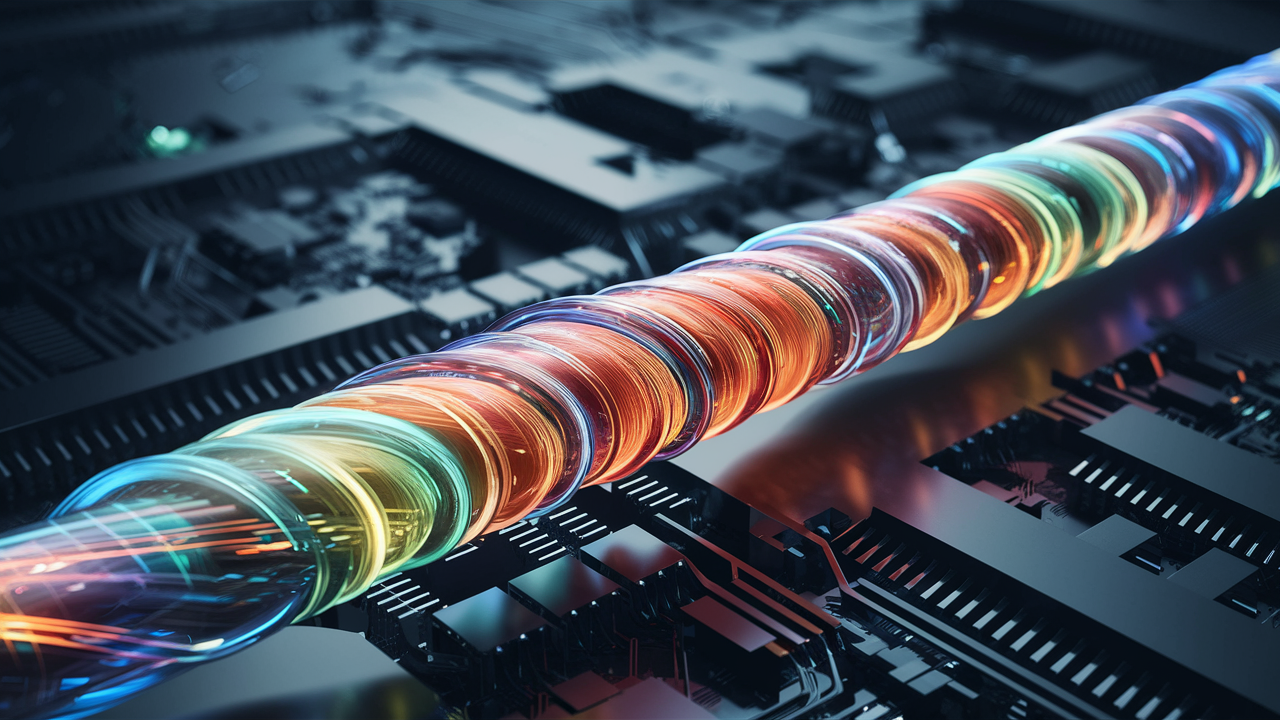
At its core, Quantum Fiber relies on fiber-optic cables. These cables are made of thin strands of glass or plastic that transmit data as pulses of light. This is fundamentally different from copper-based technologies (like DSL or cable internet) that transmit data as electrical signals. Light travels much faster and with less signal degradation over long distances compared to electricity. This inherent advantage allows fiber optics to support significantly higher bandwidths and lower latencies. For the average consumer, this translates to faster downloads and uploads, smoother video streaming, more responsive online gaming, and a more reliable connection for multiple devices simultaneously. The infrastructure is also more durable and less prone to electromagnetic interference, contributing to its overall stability.
Quantum Fiber vs. Other Technologies
The internet landscape in 2025 is diverse, with consumers often choosing between fiber, cable, DSL, and fixed wireless. Quantum Fiber's primary differentiator is its all-fiber architecture. Cable internet, while offering good speeds, typically shares bandwidth with neighbors, leading to potential slowdowns during peak usage times. DSL uses existing phone lines, which are inherently limited in speed and distance from the provider's central office. Fixed wireless relies on radio waves and can be affected by weather conditions and line-of-sight obstructions. Quantum Fiber, by contrast, provides dedicated bandwidth directly to the home, minimizing these issues and offering a more consistent, high-performance experience. This makes it a compelling option for users who demand the best in speed and reliability.
The Advantages of Quantum Fiber
Quantum Fiber boasts several compelling advantages that make it an attractive choice for many consumers in 2025. These benefits directly address the growing needs for faster, more reliable, and more capable internet connections.
Unmatched Speeds
One of the most significant benefits of Quantum Fiber is its capability for incredibly high internet speeds. While actual speeds vary by plan, Quantum Fiber often offers symmetrical upload and download speeds, meaning your upload speed is just as fast as your download speed. This is crucial for activities like video conferencing, uploading large files, streaming in high definition, and engaging in real-time online gaming. In 2025, with the proliferation of 4K/8K streaming, cloud backups, and remote collaboration tools, symmetrical speeds are becoming less of a luxury and more of a necessity for a seamless digital life. Plans can range from hundreds of megabits per second (Mbps) to gigabit speeds (1,000 Mbps) and even multi-gigabit speeds, providing ample bandwidth for even the most demanding households.
Superior Reliability and Stability
Fiber-optic networks are inherently more reliable than their copper counterparts. They are less susceptible to electromagnetic interference, weather-related disruptions, and signal degradation over distance. This means fewer dropped connections, less buffering, and a more consistent online experience. For businesses operating remotely, families relying on streaming services, or individuals who need uninterrupted connectivity for critical tasks, this stability is invaluable. The robust nature of fiber infrastructure contributes to higher uptime percentages, a key metric for internet service quality.
Low Latency for Real-Time Applications
Latency, often referred to as "ping," is the time it takes for data to travel from your device to a server and back. High latency can cause lag in online games, choppy video calls, and delays in interactive applications. Quantum Fiber's fiber-optic technology significantly reduces latency. This is particularly important for gamers who need split-second responsiveness, professionals participating in live trading or virtual reality experiences, and anyone who values a fluid, real-time online interaction. In 2025, with the rise of cloud gaming and interactive virtual environments, low latency is a critical performance factor.
Future-Proof Technology
Investing in Quantum Fiber is an investment in future-proofing your home's internet connection. The infrastructure is built to handle exponentially increasing data demands. As new technologies emerge that require more bandwidth and lower latency, a fiber connection is far more likely to keep pace than older infrastructures. This means you may not need to upgrade your internet service as frequently, potentially saving money and hassle in the long run. The capacity of fiber optics is so vast that current consumer needs represent only a fraction of its potential.
Enhanced Security
While all internet connections require security measures, fiber optics offer a physical advantage. Tapping into a fiber-optic cable without detection is significantly more difficult than with copper cables, making it inherently more secure against certain types of physical intrusion. This is a minor benefit for most residential users but can be a consideration for those with highly sensitive data needs.
Potential Drawbacks and Considerations
While Quantum Fiber offers substantial benefits, it's essential to consider potential drawbacks and limitations before making a decision. These factors can influence whether it's the right choice for your specific circumstances.
Availability Limitations
The most significant hurdle for many consumers is availability. Quantum Fiber, like most fiber-optic networks, requires extensive and costly infrastructure build-out. This means it is not yet available in all areas, particularly in rural or less densely populated regions. Lumen Technologies is actively expanding its network, but geographic limitations remain a primary constraint. You must first check if Quantum Fiber service is offered at your specific address.
Cost Considerations
While prices are becoming more competitive, fiber internet, including Quantum Fiber, can sometimes be more expensive than traditional cable or DSL plans, especially for lower-tier speed packages. The higher upfront investment in building fiber networks often translates to slightly higher monthly service fees, though the value proposition of superior performance can justify the cost for many. Installation fees might also apply, although providers often offer promotions to waive these. It's crucial to compare the total cost of ownership, including any equipment rental fees, over the long term.
Installation Process
Installing fiber optic cable typically requires a technician visit to your home to run a new line from the street to your premises and set up the necessary equipment (like an Optical Network Terminal or ONT). While generally straightforward, this process can sometimes be disruptive, and scheduling can be an issue. In some cases, it may involve minor drilling or trenching, depending on the existing infrastructure.
Equipment Requirements
Quantum Fiber requires specific equipment, including a modem/router compatible with fiber optics. While some providers include this equipment in the monthly fee, others may charge a separate rental fee or require you to purchase a compatible device. Ensuring you have the right equipment is essential for optimal performance, and understanding these costs upfront is important.
Contract Obligations
Like many internet service providers, Quantum Fiber may require customers to sign a contract, often for 12 or 24 months. While contracts can sometimes offer lower monthly rates, they also come with early termination fees if you decide to switch providers before the contract term is up. It's vital to read the contract terms carefully to understand any obligations and associated costs.
Who is Quantum Fiber Ideal For?
Given its strengths and potential limitations, Quantum Fiber is an excellent fit for specific types of users and households in 2025.
Heavy Internet Users
Households with multiple users simultaneously streaming high-definition content, downloading large files, or engaging in bandwidth-intensive activities will benefit immensely from Quantum Fiber's high speeds and symmetrical upload/download capabilities. This includes families with teenagers, content creators, or those who regularly use cloud storage services.
Gamers and Streamers
The low latency and high bandwidth of Quantum Fiber are perfect for online gamers who require responsive gameplay and minimal lag. Similarly, individuals who stream live content (e.g., Twitch streamers) or consume a lot of 4K/8K video content will appreciate the smooth, uninterrupted experience.
Remote Workers and Students
With the continued prevalence of remote work and online learning, a reliable, high-speed internet connection is paramount. Quantum Fiber ensures stable video conferences, quick access to cloud-based documents and applications, and the ability to handle multiple devices for work and study without performance degradation.
Smart Home Enthusiasts
As smart home technology becomes more integrated into daily life, the number of connected devices in a home can quickly increase. Quantum Fiber's capacity can comfortably support numerous smart devices, from security cameras and smart thermostats to voice assistants and smart appliances, without slowing down your primary internet activities.
Users Seeking Future-Proofing
For consumers who want an internet connection that will remain fast and capable for years to come, Quantum Fiber is an excellent investment. Its infrastructure is designed to accommodate future technological advancements and increasing data demands.
Quantum Fiber vs. Other Internet Technologies
To truly understand if Quantum Fiber is right for you, it's helpful to compare it directly against other common internet technologies available in 2025.
| Feature | Quantum Fiber (FTTH) | Cable Internet | DSL Internet | Fixed Wireless |
|---|---|---|---|---|
| Speed (Download) | Up to 10 Gbps+ | Up to 1 Gbps | Up to 100 Mbps | Up to 300 Mbps |
| Speed (Upload) | Symmetrical (same as download) | Asymmetrical (much lower than download) | Asymmetrical (very low) | Asymmetrical (lower than download) |
| Latency | Very Low | Moderate | High | Moderate to High |
| Reliability | Very High (less affected by weather/congestion) | Moderate (can be affected by neighborhood usage) | Moderate (affected by distance from CO) | Moderate (affected by weather/line-of-sight) |
| Availability | Limited (expanding) | Widespread | Widespread | Varies by provider and location |
| Cost | Often higher for top speeds, but value is high | Moderate to High | Generally Lower | Moderate |
| Future-Proofing | Excellent | Good | Poor | Fair |
Fiber vs. Cable
Cable internet uses coaxial cables, the same type used for cable TV. While it offers decent speeds, it's a shared medium. This means that during peak hours in a neighborhood, your speeds can slow down as more people use the network. Fiber, being a dedicated line to your home, avoids this issue, providing consistent performance regardless of your neighbors' online activity. Quantum Fiber's symmetrical upload speeds are also a major advantage over cable, which typically has much slower uploads.
Fiber vs. DSL
DSL (Digital Subscriber Line) uses existing copper telephone lines. This technology is older and has inherent limitations in speed and distance. The further you are from the telephone company's central office, the slower your DSL speeds will be. Quantum Fiber, with its light-based transmission, offers speeds orders of magnitude faster than even the best DSL connections and is not affected by distance from the provider's hub.
Fiber vs. Fixed Wireless
Fixed wireless internet uses antennas to transmit data wirelessly from a tower to a receiver at your home. It can be a good option in areas where wired infrastructure is difficult to deploy. However, its performance can be impacted by physical obstructions (trees, buildings) and weather conditions (heavy rain, snow). Quantum Fiber offers a more stable and consistent connection, unaffected by these external factors.
Key Factors in Your Decision
Choosing an internet provider is a significant decision. Here are the critical factors to weigh when considering Quantum Fiber.
1. Availability at Your Address
This is the absolute first step. Visit the Quantum Fiber website or contact them directly to check if service is available at your specific location. If it's not, then the decision is made for you, and you'll need to explore other options.
2. Your Internet Usage Habits
Be honest about how you and your household use the internet.
- Do you primarily browse websites and check email?
- Do you stream movies and TV shows regularly?
- Do you work from home and participate in frequent video calls?
- Are you an online gamer who needs low latency?
- Do you upload large files or use cloud backup services?
- How many devices are connected to your network simultaneously?
If your usage is light, a less expensive cable or even DSL plan might suffice. If your usage is high, gaming-focused, or involves significant uploads, Quantum Fiber becomes much more appealing.
3. Speed Requirements
Consider the speeds you actually need. While gigabit speeds are impressive, they may be overkill for a single user with basic needs. However, for a multi-person household with multiple devices, gigabit or multi-gigabit speeds from Quantum Fiber can eliminate frustrating slowdowns. Look at the advertised speeds and compare them to your current usage and future needs.
4. Budget and Pricing
Quantum Fiber plans can vary in price. Research the specific plans available at your address and compare the monthly costs, installation fees, and any equipment rental charges against competing providers. Remember to factor in the long-term value – higher upfront costs for fiber might lead to fewer upgrades and less frustration down the line. Look for introductory offers and promotions.
5. Contract Terms
Understand the contract length and any associated early termination fees. If you prefer flexibility, look for providers that offer month-to-month plans, though these may sometimes come at a slightly higher monthly rate.
6. Customer Service Reputation
While Quantum Fiber is a newer brand, Lumen Technologies has a long history. Research customer reviews and satisfaction ratings for Quantum Fiber in your area, focusing on aspects like installation experience, technical support, and billing clarity.
Installation and Setup Process
The installation process for Quantum Fiber is a key aspect of the consumer experience. Understanding what to expect can alleviate any concerns.
Scheduling the Installation
Once you’ve signed up for Quantum Fiber service, you’ll typically schedule an appointment for a technician to visit your home. This appointment is usually scheduled within a few days to a couple of weeks of placing your order, depending on technician availability and the complexity of the installation.
What Happens During Installation?
A qualified technician will arrive at your home. They will first assess the best route to run the fiber-optic cable from the nearest network access point (often a utility pole or underground conduit) to your home.
- Exterior Work: This might involve attaching a small box to the outside of your house where the fiber line will enter.
- Interior Work: The technician will then run the fiber cable inside your home to a designated location, usually where you want your modem/router to be placed. This might involve drilling small holes through walls.
- Equipment Installation: The technician will install an Optical Network Terminal (ONT), which converts the light signals from the fiber optic cable into electrical signals that your router can use. They will then connect your router to the ONT.
- Testing: Finally, the technician will test the connection to ensure it's working at the contracted speeds and that all equipment is functioning correctly.
The entire process typically takes a few hours, depending on the complexity of your home's layout and existing infrastructure.
Equipment You Will Need
Quantum Fiber will provide the necessary ONT. You will also need a compatible router. Quantum Fiber often offers its own Wi-Fi 6 routers, or you can use your own compatible router if you prefer. It's essential to ensure your router supports the speeds you are subscribing to for optimal performance. Using older or incompatible equipment can bottleneck your connection, even with a high-speed fiber line.
Post-Installation Setup
Once the technician leaves, you can connect your devices to the Quantum Fiber Wi-Fi network. If you're using your own router, you may need to configure its settings according to Quantum Fiber's specifications. Most modern routers are plug-and-play, but it’s always good to have the provider’s support information handy.
Customer Support and Service
The quality of customer support can significantly impact your overall satisfaction with an internet provider. For Quantum Fiber, understanding their support channels and reputation is vital.
Support Channels
Quantum Fiber typically offers support through several channels:
- Online Support: A comprehensive knowledge base, FAQs, and troubleshooting guides are usually available on their website.
- Phone Support: Dedicated customer service lines are available for technical issues and billing inquiries.
- Chat Support: Live chat options may be available for quick assistance.
- Technician Visits: For issues that cannot be resolved remotely, a technician can be dispatched to your home.
It’s important to check the operating hours for phone and chat support to ensure assistance is available when you need it.
Service Level Agreements (SLAs)
While consumer-grade internet plans don't always have formal SLAs like business plans, providers often aim for high uptime percentages. Fiber optic networks are inherently reliable, which should translate to fewer service disruptions. However, it’s good to be aware of any guarantees or policies regarding service outages and credits.
Gathering Feedback
Before committing, look for recent customer reviews and testimonials specifically for Quantum Fiber in your region. Websites like the Better Business Bureau, Trustpilot, and various tech forums can provide insights into customer experiences with installation, technical support, and overall service quality. While individual experiences can vary, consistent patterns in feedback can be very telling.
Understanding Pricing and Value
The cost of internet service is a primary concern for most consumers. Quantum Fiber's pricing structure and the value it offers need careful examination.
Plan Tiers and Speeds
Quantum Fiber offers various speed tiers, often starting from 300 Mbps and going up to 1 Gbps, 2 Gbps, or even higher. The price typically increases with the speed. It's essential to match the speed tier to your household's actual needs to avoid overpaying for unused bandwidth.
Additional Fees and Charges
Be vigilant about potential hidden costs:
- Installation Fees: Some providers charge a one-time fee for professional installation, though this is often waived with promotions.
- Equipment Rental: If you rent a modem/router from Quantum Fiber, there will be a monthly charge. Purchasing your own compatible equipment can save money long-term.
- Taxes and Surcharges: These are applied on top of the advertised monthly rate and can add a noticeable amount to your bill.
- Early Termination Fees (ETFs): If you are on a contract, breaking it early will incur significant fees.
Always ask for a total estimated monthly cost, including all fees and taxes, before signing up.
Long-Term Value Proposition
While Quantum Fiber might have a higher monthly cost than some older technologies, its value lies in its performance and future-proofing capabilities. For heavy users, gamers, and remote professionals, the consistent speeds, low latency, and reliability can translate to increased productivity, better entertainment experiences, and less frustration, which can be considered a valuable return on investment. The longevity of fiber infrastructure also means you might avoid frequent upgrades.
Promotions and Discounts
Keep an eye out for introductory offers, such as discounted monthly rates for the first 6-12 months, waived installation fees, or free equipment. These promotions can significantly reduce the initial cost and make Quantum Fiber more accessible.
Future-Proofing Your Internet Connection
In 2025, the internet is no longer just for browsing; it’s the backbone of our professional, educational, and entertainment lives. The demand for bandwidth and speed is only expected to grow.
The Ever-Increasing Demand for Bandwidth
As technologies like 8K streaming, virtual reality (VR), augmented reality (AR), cloud gaming, and advanced smart home ecosystems become more mainstream, they require exponentially more data. A fiber-optic connection like Quantum Fiber is built with the capacity to handle these future demands, ensuring your internet service remains adequate for years to come. This foresight can save you the hassle and expense of frequent service upgrades.
Quantum Fiber as an Investment
Think of Quantum Fiber not just as a utility but as an investment in your digital infrastructure. By choosing fiber, you are equipping your home with a cutting-edge technology that is designed for the future. This can enhance productivity for remote workers, provide a superior experience for gamers and entertainment enthusiasts, and ensure your home is ready for the next wave of digital innovation. The robustness and capacity of fiber mean you are less likely to be constrained by your internet connection as technology evolves.
Making a Decision for the Long Term
When evaluating Quantum Fiber, consider its long-term benefits. While the initial cost might be a factor, the sustained high performance, reliability, and future-ready nature of fiber optics often provide a superior overall value compared to technologies that may soon struggle to keep up with consumer demands. Weigh the immediate costs against the long-term advantages of having a top-tier internet connection.
In conclusion, Quantum Fiber represents the pinnacle of residential internet technology in 2025, offering unparalleled speeds, exceptional reliability, and low latency. If Quantum Fiber is available in your area and your budget allows, it is an excellent choice for households that are heavy internet users, gamers, remote workers, or anyone seeking a future-proof connection. While availability and cost are key considerations, the benefits of a pure fiber-optic network are substantial. Carefully assess your household's needs against the advantages and potential drawbacks to make the most informed decision for your home's digital future.