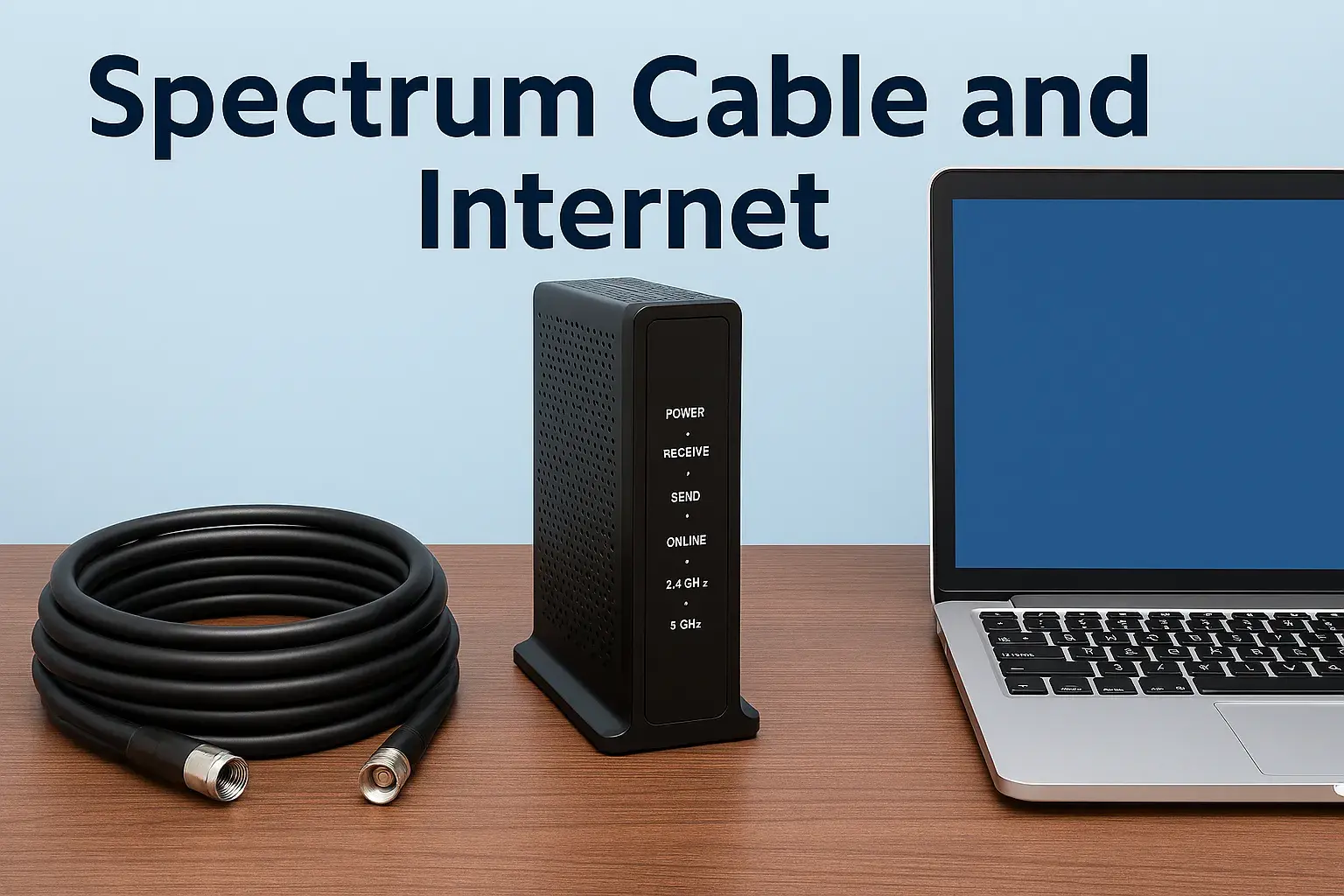
Understanding Spectrum Internet Costs What You Need to Know Before Signing Up
Navigating Spectrum internet costs can feel complex. This guide breaks down what you truly need to know about pricing, fees, and plans before signing up, ensuring you make an informed decision and avoid unexpected charges.
Understanding Spectrum Internet Costs: What You Need to Know Before Signing Up
Spectrum, a prominent internet service provider (ISP) in the United States, offers a range of internet plans designed to cater to various user needs. However, the advertised prices often don't tell the whole story. Understanding the true cost of Spectrum internet involves delving beyond the headline figures to examine plan tiers, potential fees, bundle options, and regional pricing variations. This comprehensive guide aims to demystify Spectrum's pricing structure, empowering you to make a well-informed decision before committing to a service agreement. We'll explore everything from introductory offers and equipment rentals to hidden charges and the long-term value of bundle deals, ensuring you know exactly what to expect on your monthly bill in 2025 and 2026.
Spectrum Internet Plans and Pricing Overview
Spectrum's internet service is primarily offered through a tiered structure, with each tier corresponding to a different download and upload speed. The advertised prices are often introductory rates, meaning they are valid for a limited period, typically 12 months. After this promotional period, the price typically increases to the standard rate.
Spectrum Internet Tiers Explained
Spectrum generally offers three main tiers of internet service, though specific names and speeds can vary slightly by region and over time. As of 2025-26, these typically include:
- Spectrum Internet Gig: This is their highest-speed offering, designed for households with heavy internet usage, multiple connected devices, and demanding applications like 4K streaming, online gaming, and large file downloads. Speeds can reach up to 1 Gbps download.
- Spectrum Internet Ultra: A mid-tier option that provides significantly faster speeds than basic plans, suitable for most families and individuals who stream content, work from home, and use multiple devices simultaneously. Download speeds often range from 300 Mbps to 500 Mbps.
- Spectrum Internet: This is their most basic plan, offering reliable speeds for everyday internet activities such as browsing, email, social media, and standard-definition streaming. Download speeds typically start around 100 Mbps to 300 Mbps, depending on the specific offering.
It's crucial to understand your household's internet needs. For instance, a single user who primarily browses the web and checks email might be perfectly content with the base "Spectrum Internet" plan. However, a family of four with multiple smartphones, tablets, smart TVs, and individuals who game or work remotely will likely require the "Ultra" or "Gig" plans to avoid buffering and slow loading times. For a detailed breakdown of speed requirements, refer to the Factors Influencing Your Spectrum Bill section.
Introductory vs. Regular Pricing
This is perhaps the most significant factor in understanding Spectrum internet costs. Spectrum, like many ISPs, heavily relies on promotional pricing to attract new customers. These introductory rates are designed to be appealingly low but are almost always temporary. For example, a plan advertised at $49.99 per month might be an introductory rate for the first 12 months. After this period, the price can jump to $70-$90 or more per month for the same service. This price increase is often referred to as the "standard rate" or "regular rate."
Key Takeaway: Always ask Spectrum representatives for the "regular rate" or "price after the promotional period." This figure is critical for long-term budgeting. Many customers are surprised by the significant price hike after their first year.
Regional Price Variations
Internet pricing is not uniform across the country. Spectrum's pricing can vary based on your geographic location. Factors such as competition in the area, local market conditions, and the cost of infrastructure deployment can influence the prices offered. For example, prices in a highly competitive urban market might differ from those in a less populated rural area where Spectrum may have less competition.
Actionable Tip: When researching plans, always use your specific zip code on Spectrum's website or by speaking with a sales representative. This will ensure you are looking at the most accurate pricing and plan availability for your address.
Hidden Fees and Additional Charges to Watch For
Beyond the monthly service fee, Spectrum can impose various other charges that can significantly increase your overall bill. Being aware of these potential costs upfront is crucial for avoiding surprises.
Installation and Activation Fees
Spectrum typically charges fees for setting up your internet service. These can include:
- Activation Fee: A one-time charge for activating your service. This can range from $0 (often waived with promotions) to $50 or more.
- Professional Installation Fee: If you opt for a technician to install and set up your modem and network, there will be a fee. This can range from $50 to $100 or more, depending on the complexity of the installation.
Tip: Look for promotions that waive these fees. Many new customer offers include free activation and sometimes even free professional installation. If you are comfortable with DIY setups, you might be able to avoid the professional installation fee by using a self-installation kit.
Equipment Rental Costs
Spectrum provides modems and routers for rent. While this offers convenience, it adds to your monthly bill. As of 2025-26, the typical monthly rental fee for a Spectrum modem is around $15-$20. If you opt for a Spectrum Wi-Fi router, you'll incur an additional charge, often bringing the total equipment rental cost to $25-$35 per month.
Cost-Saving Strategy: You have the option to purchase your own compatible modem and router. This is a significant long-term saving. A decent modem can cost between $70-$150, and a good router can be $50-$150. While this is an upfront investment, it will pay for itself within a year or two, and you'll avoid recurring rental fees. Ensure any modem you purchase is on Spectrum's approved list to guarantee compatibility.
Data Overage Charges and Unlimited Data
Historically, some ISPs have imposed data caps, charging extra for exceeding a certain monthly data allowance. However, Spectrum has largely moved away from strict data caps on its internet plans. Most Spectrum internet plans, especially those offering higher speeds, come with unlimited data. This means you can generally use as much internet as you need without worrying about extra charges for exceeding a data limit.
Clarification: While "unlimited data" is generally true, it's always wise to confirm this for the specific plan you are considering. In rare cases, extremely high usage might trigger a review by the ISP, but for typical residential use, Spectrum's unlimited data policy provides significant peace of mind. This is a key advantage over some competitors who may still enforce data caps.
Taxes and Surcharges
In addition to the base price and equipment fees, your Spectrum bill will include various federal, state, and local taxes, as well as regulatory fees and surcharges. These can add a significant percentage to your monthly bill, often ranging from 10% to 25% or more, depending on your location. These are not typically negotiable and are imposed by government entities or regulatory bodies.
Budgeting Tip: When estimating your monthly cost, add at least 15-20% to the advertised price to account for these taxes and surcharges. This will give you a more realistic figure for your budgeting.
Bundle Deals and Savings Opportunities
Spectrum offers bundled packages that combine internet, TV, and sometimes phone services. These bundles can offer significant savings compared to subscribing to each service individually. However, it's essential to evaluate whether the bundle truly provides value for your household's needs.
Internet, TV, and Phone Bundles
Spectrum's most common bundles include:
- Internet + TV: This is a popular option for households that want both high-speed internet and a wide selection of television channels.
- Internet + TV + Voice: This triple-play bundle includes internet, TV, and home phone service.
These bundles often come with introductory pricing that is lower than the sum of individual service costs. For example, you might get a 300 Mbps internet plan, a basic TV package, and unlimited local calling for a single monthly price, which is less than paying for each separately.
Promotional Offers and Discounts
Spectrum frequently runs promotional offers for new customers, especially on their bundled packages. These can include:
- Discounted Monthly Rate: A reduced price for the first 12-24 months.
- Free Equipment: Waived fees for modem or router rentals for a period.
- Premium Channel Trials: Free access to certain premium TV channels for a few months.
- Gift Cards: Sometimes, new sign-ups receive a Visa gift card as an incentive.
Important Note: Always scrutinize the terms and conditions of these promotions. Understand what the price will be after the promotional period ends and if there are any specific requirements to maintain the discount.
Comparing Bundle Value
Before signing up for a bundle, ask yourself:
- Do you need all the services? If you primarily use streaming services for TV and a mobile phone for calls, a bundle that includes TV and landline phone might not be cost-effective, even with a discount.
- What are the individual service prices? Get quotes for each service separately and compare the total cost to the bundled price.
- What are the long-term costs? Remember that introductory bundle prices will increase. Calculate the cost after the promotional period.
Example: A bundle might offer Internet Ultra (300 Mbps) and a TV Select package for $100/month for 12 months. After that, it jumps to $140/month. If you only needed the internet and could get a comparable TV service from another provider or through streaming for a total of $80/month (after the first year), the bundle might not be the best long-term value.
Factors Influencing Your Spectrum Bill
Several key factors directly impact the monthly cost of your Spectrum internet service. Understanding these will help you choose the right plan and avoid overpaying.
Internet Speed Requirements
The most significant factor determining your base internet cost is the speed tier you select. Higher speeds naturally come with higher monthly prices. Spectrum's plans generally align with these speed tiers:
- Basic (e.g., 100-300 Mbps): Suitable for 1-3 devices, basic browsing, email, social media, and standard streaming.
- Mid-Tier (e.g., 300-500 Mbps): Ideal for 3-7 devices, HD/4K streaming, online gaming, and moderate work-from-home use.
- High-Tier (e.g., 500 Mbps - 1 Gbps): Best for 7+ devices, heavy 4K streaming, intense online gaming, large file transfers, and multiple users working or studying simultaneously.
Recommendation: Overestimating your speed needs can lead to paying for more than you require. Conversely, underestimating can result in a frustratingly slow internet experience. Consider your typical daily usage patterns. For a detailed guide on internet speed needs, see our article on Determining Your Ideal Internet Speed (Note: This is a placeholder link for illustrative purposes).
Number of Users and Devices
The more people and devices connected to your network, the more bandwidth you'll need. Each device consuming internet (smartphones, laptops, tablets, smart TVs, gaming consoles, smart home devices) requires a portion of your total available bandwidth. If your speed is insufficient for the number of active devices, you'll experience slowdowns and buffering.
Scenario: A household with two people and two smartphones might be fine with a basic plan. However, if that same household adds two smart TVs, a gaming console, and a smart thermostat, they will likely need a higher-speed plan to ensure smooth performance for all devices.
Your Specific Location
As mentioned earlier, pricing can vary significantly by region. Spectrum's availability and pricing are tied to their network infrastructure and the competitive landscape in a given area. Areas with more ISP competition may see more aggressive pricing or promotional offers. Conversely, in areas where Spectrum is the primary or sole provider of high-speed internet, prices might be higher.
Research is Key: Always verify pricing and plan details for your exact address. What a neighbor in a different town pays might not reflect what you will be charged.
Contract Length and Terms
Spectrum typically does not require long-term contracts for its internet services. This offers flexibility, allowing you to cancel or switch providers without hefty early termination fees. However, this also means that promotional pricing is often tied to a 12-month term. After this period, the price reverts to the standard rate.
Understanding the Commitment: While no long-term contract is a plus for flexibility, be aware that the advertised price is usually for a limited duration. This is a crucial point to remember for long-term budgeting. If you find a provider that offers a lower standard rate without introductory pricing, it might be a better long-term option, even if the initial Spectrum offer seems attractive.
Making the Most of Spectrum Internet Deals
Securing the best possible price for Spectrum internet requires a strategic approach. It's not just about accepting the first offer you see.
Understanding Contract Fine Print
This cannot be stressed enough. The "fine print" is where the real costs and conditions are often hidden. Pay close attention to:
- Promotional Period Length: How long will the introductory rate last?
- Price After Promotion: What is the exact standard rate after the introductory period?
- Equipment Fees: Are modem and router rentals included, or are they extra? What are the individual costs?
- Installation/Activation Fees: Are these waived, or are they additional charges?
- Data Caps: While rare with Spectrum, confirm if there are any limitations.
- Early Termination Fees (ETFs): Although Spectrum is generally contract-free, confirm this for your specific agreement.
Pro Tip: Ask the sales representative to verbally confirm these key details and, if possible, request a summary of the terms in writing or via email before agreeing to anything.
Negotiating Your Bill
Many consumers are hesitant to negotiate with their ISP, but it can often lead to savings. If you are an existing customer whose promotional period is ending, or if you are considering switching from a competitor, you may have leverage:
- Be Informed: Know your current plan details, the standard rate, and what competitors are offering.
- Call and Ask: Contact Spectrum's customer service or retention department. Explain that your promotional rate is ending and you are considering other options due to the upcoming price increase.
- Highlight Competitor Offers: Mention specific deals from other ISPs in your area.
- Ask for Retention Deals: Retention departments are often empowered to offer discounts or new promotional rates to keep customers.
- Be Polite but Firm: A reasonable and respectful approach is usually more effective than an aggressive one.
Success Story: A customer facing a $30 price increase after their first year might call and negotiate to keep a slightly discounted rate for another year or receive a one-time credit, effectively lowering their average monthly cost.
Timing Your Signup
While not as impactful as negotiation, timing can sometimes play a role in securing better deals:
- New Customer Promotions: ISPs often have their best deals for new customers. If you're switching from another provider, this is your best opportunity to get significant discounts.
- Seasonal Promotions: Sometimes, ISPs run special promotions during holidays or specific times of the year. Keep an eye out for these, although they are less common for internet services than for other consumer goods.
- Bundling Strategically: If you need multiple services, signing up for a bundle when a new promotion is launched can lock in a lower rate for the duration of the offer.
Alternative: If you are an existing customer and your promotion is ending, and you can't negotiate a satisfactory rate, consider switching to a competitor for a year and then returning to Spectrum when new customer offers become available again. This is a more involved strategy but can lead to significant long-term savings.
Spectrum Internet Cost Comparison (2025-26)
To provide a clearer picture, here's a hypothetical comparison of Spectrum internet costs, assuming typical introductory and standard rates for 2025-26. Remember that actual prices will vary by location.
| Plan Tier | Advertised Introductory Speed (Download) | Introductory Monthly Price (Est. 12 Months) | Estimated Standard Monthly Price (After Promo) | Estimated Monthly Equipment Rental (Modem + Router) | Estimated Total Monthly Cost (Introductory) | Estimated Total Monthly Cost (Standard) |
|---|---|---|---|---|---|---|
| Spectrum Internet | 100-300 Mbps | $49.99 | $70.00 - $80.00 | $25.00 - $35.00 | $74.99 - $84.99 | $95.00 - $115.00 |
| Spectrum Internet Ultra | 300-500 Mbps | $69.99 | $85.00 - $95.00 | $25.00 - $35.00 | $94.99 - $104.99 | $110.00 - $130.00 |
| Spectrum Internet Gig | 500 Mbps - 1 Gbps | $89.99 | $105.00 - $120.00 | $25.00 - $35.00 | $114.99 - $124.99 | $130.00 - $155.00 |
*Note: Prices are estimates for 2025-26 and do not include taxes, surcharges, or potential installation fees. Equipment rental is an estimate; purchasing your own equipment will save money long-term.
This table highlights the significant difference between introductory and standard pricing. It also emphasizes the impact of equipment rental fees. For instance, the Spectrum Internet Gig plan, which might seem affordable at $89.99 initially, could realistically cost over $150 per month after equipment and taxes once the promotion ends. This underscores the importance of budgeting for the standard rate.
What to Expect After Signing Up
Once you've decided to sign up for Spectrum internet, there are a few key things to be aware of regarding your first bill and ongoing account management.
Understanding Your First Bill
Your first Spectrum bill can often be higher than subsequent bills. This is typically due to:
- Prorated Charges: You will be charged for the portion of your first billing cycle that has already passed, plus the full next billing cycle.
- One-Time Fees: Activation and installation fees, if not waived by a promotion, will appear on your first bill.
- Advance Payments: Some ISPs require payment for the first full month of service in advance.
Example: If your service starts on the 15th of the month and your billing cycle is the 1st to the 30th, your first bill will include charges from the 15th to the 30th of the current month, plus charges from the 1st to the 30th of the next month, along with any one-time fees.
Action: Review your first bill carefully to ensure all charges are accurate and match the agreement you made. If anything seems incorrect, contact Spectrum customer service immediately.
Managing Your Account Online
Spectrum provides an online portal and mobile app that allow you to manage your account. Through these platforms, you can typically:
- View and pay your bills.
- Monitor your data usage (though Spectrum generally offers unlimited data).
- Update your contact information.
- Troubleshoot common internet issues.
- Access customer support resources.
- Manage your services if you have bundled packages.
Benefit: Regularly checking your online account can help you stay on top of billing cycles, understand your charges, and quickly access support when needed.
Customer Service and Support
When you encounter issues or have questions about your bill, Spectrum's customer service channels include:
- Phone Support: Available for sales, technical support, and billing inquiries.
- Online Chat: Often available through their website for quick questions.
- In-Store Locations: For in-person assistance, though availability varies.
- Social Media: Some customers find success reaching out via their official social media channels.
Tip for Efficiency: When calling customer service, have your account number and all relevant details ready. If you're calling about a billing issue, have your previous bills handy. If it's a technical issue, be prepared to describe the problem and any troubleshooting steps you've already taken.
Conclusion: Making an Informed Spectrum Decision
Understanding Spectrum internet costs requires looking beyond the initial advertised price. By meticulously examining plan speeds, the crucial difference between introductory and standard rates, potential fees for installation and equipment, and the true value of bundle deals, you can avoid unwelcome surprises. Remember that the advertised price is rarely the price you'll pay long-term. Always inquire about the regular rate after the promotional period concludes, as this figure is essential for accurate budgeting. Consider purchasing your own modem and router to eliminate recurring rental fees, which can save you hundreds of dollars annually. Furthermore, leverage opportunities to negotiate your bill, especially when your introductory offer is about to expire. By arming yourself with this knowledge, you can confidently choose a Spectrum internet plan that aligns with your needs and budget, ensuring a satisfactory and cost-effective service experience throughout 2025 and beyond.
📚Read More Articles About Spectrum
How to Find a Spectrum Store Near Me: A Comprehensive Guide
February 16, 2026
All About Spectrum Services: Internet, TV, Mobile Plans & Pricing Explained
January 19, 2026
Spectrum Store Locator for 43017: Hours, Services & What to Bring
December 22, 2025