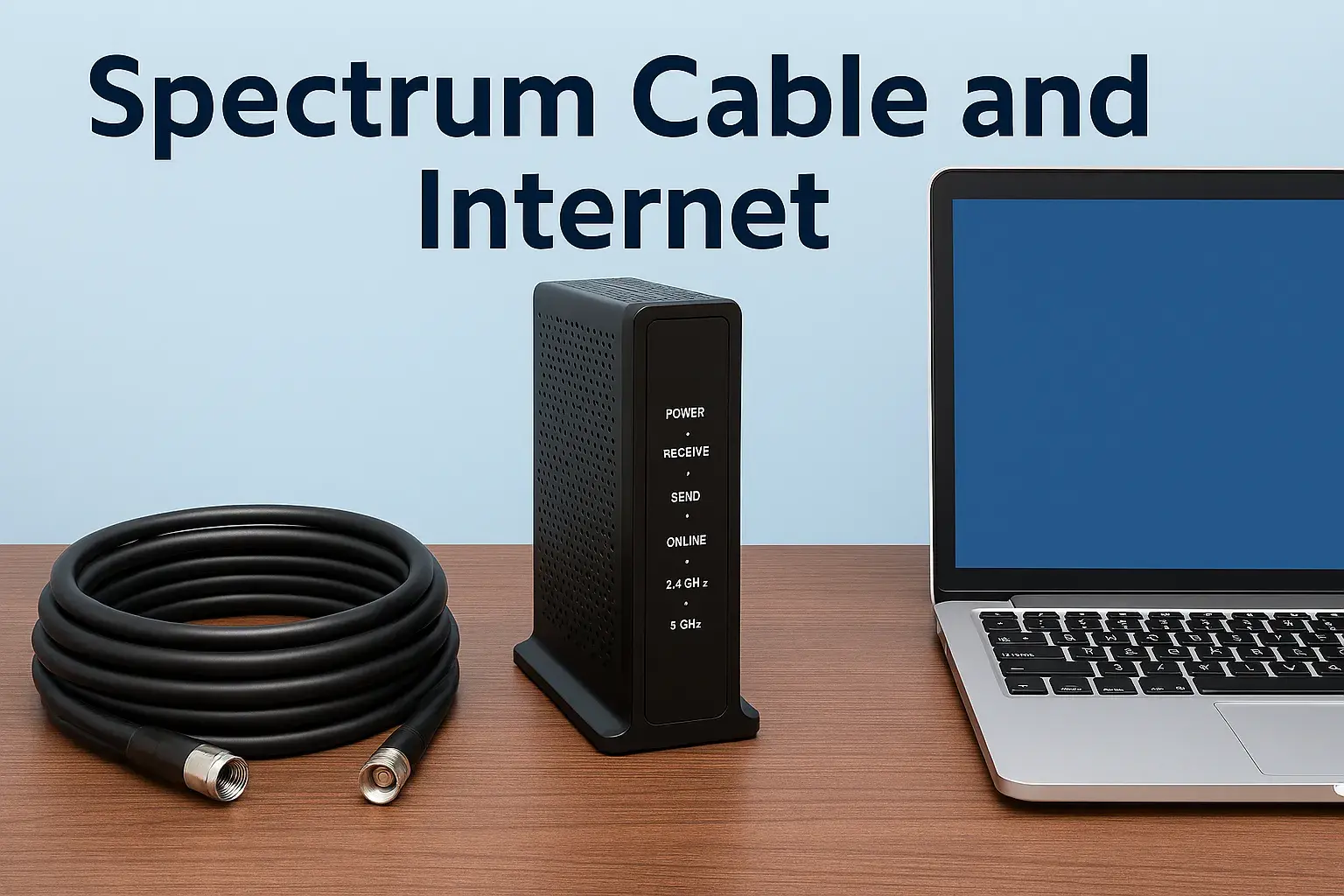
Spectrum Internet-Only: Unveiling the Cost to Connect

Seeking Spectrum internet without a TV bundle? This guide unveils the true cost of Spectrum internet-only plans in 2025. Discover pricing, hidden fees, and how to secure the best deal for your home connection, saving you time and money.
Understanding Spectrum Internet-Only Plans
In the evolving landscape of home connectivity, many consumers are actively seeking flexibility. The traditional cable bundle, often including a plethora of television channels that go largely unwatched, is becoming increasingly unattractive to a significant portion of the population. This shift in consumer preference has led to a surge in demand for "internet-only" services, where customers can subscribe to high-speed internet access without being tied to a cable TV package. Spectrum, a major player in the U.S. broadband market, offers a variety of internet-only plans designed to meet this demand. These plans aim to provide reliable, fast internet for streaming, gaming, working from home, and general browsing, all without the added cost and complexity of television services.
The appeal of Spectrum internet-only is multifaceted. Firstly, it offers a direct pathway to cost savings. By eliminating the television component, subscribers can often significantly reduce their monthly internet bill. Secondly, it provides greater control over one's entertainment and information consumption. Users can curate their own streaming services and online content, rather than relying on a pre-packaged cable lineup. This flexibility is particularly valuable in an era where platforms like Netflix, Hulu, Disney+, and YouTube have become primary sources of entertainment for millions. Spectrum recognizes this trend and has structured its offerings to cater to individuals and families who prioritize a robust internet connection above all else.
However, navigating the world of internet service providers can still be complex. Even with internet-only plans, understanding the pricing structure, potential fees, and available speed tiers is crucial. This guide is designed to demystify Spectrum's internet-only offerings, providing a clear and comprehensive overview of what you can expect to pay in 2025. We will delve into the advertised prices, explore the factors that can influence your final bill, and offer practical advice on how to make the most informed decision for your home internet needs.
Why Choose Internet-Only? The Modern Consumer's Dilemma
The decision to opt for an internet-only plan from Spectrum, or any provider, stems from a fundamental shift in how people consume media and information. For decades, the bundled cable package was the norm. It was often the most cost-effective way to get both television and internet services. However, the advent of high-speed internet and the proliferation of streaming services have dramatically altered this paradigm. Many households find themselves paying for hundreds of TV channels, only to regularly watch a handful, if any. This inefficiency leads to wasted money and a cluttered service experience.
Internet-only plans offer a streamlined solution. They allow consumers to tailor their entertainment to their specific preferences. Instead of a large cable bill, users can subscribe to a few select streaming services that align with their interests, often at a lower combined cost. This approach also empowers users to control their data consumption and bandwidth allocation more effectively. For individuals who primarily use the internet for work, education, or streaming, an internet-only plan is a logical and financially sound choice. Spectrum's commitment to offering these plans reflects their understanding of this market evolution.
Furthermore, the rise of cord-cutting – the practice of canceling traditional cable or satellite TV subscriptions in favor of streaming services – has directly fueled the demand for standalone internet services. Spectrum, as a major broadband provider, is well-positioned to capitalize on this trend. By offering competitive internet-only packages, they can attract customers who are looking to simplify their home services and reduce their monthly expenses. The following sections will break down the specifics of Spectrum's internet-only pricing and related costs for 2025.
Spectrum Internet-Only Pricing: What to Expect in 2025
Understanding the advertised pricing for Spectrum internet-only plans is the first step in assessing their value. It's important to note that prices can vary significantly based on your geographic location, the specific speed tier you select, and any promotional offers that may be available at the time of signup. Spectrum typically offers a range of speed tiers, from basic plans suitable for light internet use to high-speed options designed for demanding applications like 4K streaming and online gaming.
As of 2025, Spectrum's advertised prices for internet-only plans generally start in the range of $50 to $70 per month for their entry-level speed tiers. These plans often provide download speeds of around 100-300 Mbps, which is generally sufficient for households with a few users and moderate internet activity. For users who require more bandwidth, such as those with multiple devices connected simultaneously, heavy streaming habits, or significant online gaming, Spectrum offers higher-tier plans. These can range from 300-500 Mbps, and in some areas, up to gigabit speeds (1000 Mbps or more). The pricing for these faster plans typically increases, often ranging from $70 to $100 or more per month, depending on the exact speed and location.
It is crucial to distinguish between the advertised promotional price and the standard rate. Many providers, including Spectrum, offer introductory pricing for a limited period, often 12 or 24 months. After this promotional period expires, the monthly cost will typically increase to the standard rate, which can be considerably higher. Therefore, when evaluating Spectrum's internet-only offerings, it's essential to inquire about both the initial promotional price and the subsequent standard rate to understand the long-term cost implications. This transparency is vital for budgeting and avoiding unexpected increases in your monthly bill.
For instance, a common advertised rate might be $49.99 per month for the first 12 months for a 300 Mbps plan. However, after the promotional period, this same plan could revert to a standard rate of $79.99 or even $89.99 per month. Always ask for the "everyday price" or the price after the promotional period ends. This foresight will prevent sticker shock and allow you to make a more informed decision about which plan best suits your budget and needs over the long haul.
Spectrum Internet Plans Overview (2025)
Spectrum's internet-only plans are designed to cater to a broad spectrum of user needs. While exact names and speeds can vary by region, here's a general overview of what you can typically find in 2025:
- Spectrum Internet®: Often the most basic offering, typically providing download speeds in the range of 100-300 Mbps. This plan is suitable for everyday browsing, email, social media, and streaming standard-definition or HD content on a few devices. Advertised prices often start around $49.99-$59.99/month for promotional periods.
- Spectrum Internet Ultra: This tier offers a significant speed boost, usually in the 300-500 Mbps download range. It's ideal for households with multiple users, more intensive streaming (4K), online gaming, and faster downloads. Expect promotional pricing to be in the $69.99-$79.99/month range, with standard rates climbing higher.
- Spectrum Internet Gig: For the most demanding users, this plan provides gigabit speeds, often 1000 Mbps or more. This is perfect for very large households, heavy users of cloud services, professionals working with large files, and serious gamers. Pricing for these top-tier plans can start around $89.99-$109.99/month during promotions, with standard rates exceeding $100.
It's important to remember that these are general guidelines. Always verify the specific plans and pricing available in your exact service area. You can do this by visiting the Spectrum website and entering your address, or by calling their sales department directly.
Speed Tiers and Their Use Cases
Choosing the right speed tier is paramount to both performance and cost-effectiveness. Here's a breakdown of common speed tiers and what they're best suited for:
- 100-300 Mbps:
- Ideal for 1-3 users.
- Basic web browsing, email, social media.
- Streaming HD video on 1-2 devices.
- Light online gaming.
- Downloading moderate-sized files.
- 300-500 Mbps:
- Ideal for 3-5 users.
- Simultaneous HD and 4K streaming on multiple devices.
- Online gaming with minimal lag.
- Faster downloads and uploads for larger files.
- Video conferencing for multiple participants.
- 1000+ Mbps (Gigabit):
- Ideal for 5+ users or heavy users.
- Seamless 4K/8K streaming on all devices.
- Lag-free, high-performance online gaming.
- Rapid downloads and uploads of extremely large files (e.g., video editing projects, large game downloads).
- Supporting smart home devices and IoT technology without performance degradation.
- Running multiple bandwidth-intensive applications concurrently.
Selecting a speed tier that is too low can lead to frustration with slow loading times and buffering. Conversely, selecting a tier that is unnecessarily high can result in paying more than you need to. Carefully consider your household's typical internet usage patterns to make the most appropriate choice.
Key Factors Influencing Your Spectrum Bill
While the advertised price of a Spectrum internet-only plan is a starting point, several other factors can significantly impact your monthly bill. Understanding these elements is crucial for accurate budgeting and avoiding surprises. These factors range from initial setup costs to ongoing service charges and potential discounts.
Promotional vs. Standard Pricing
As mentioned earlier, this is perhaps the most significant factor. Spectrum, like most ISPs, heavily relies on promotional pricing to attract new customers. These introductory rates are typically available for a fixed period, usually 12 or 24 months. Once this period ends, the price automatically jumps to the standard, non-promotional rate. It's imperative to know these rates before signing up. For example, a plan advertised at $49.99/month for 12 months might jump to $79.99/month thereafter. Always ask for the price after the promotion expires.
Equipment Rental Fees
Spectrum typically requires customers to use their modem and/or router for internet service. While they may offer a basic modem for free, more advanced Wi-Fi routers or combination modem/router units often come with a monthly rental fee. As of 2025, these fees can range from $10 to $20 per month. This fee is in addition to the internet plan's advertised price. To save money, consider purchasing your own compatible modem and router. This is a one-time investment that can lead to significant savings over the life of your service. Ensure any purchased equipment is on Spectrum's approved list to avoid compatibility issues.
Installation and Activation Fees
When you first sign up for Spectrum service, you may encounter one-time fees for professional installation and service activation. Professional installation, where a technician comes to your home to set up your service and equipment, can cost anywhere from $50 to $100 or more. Activation fees, which cover the cost of setting up your account and connecting your service, might range from $10 to $30. However, Spectrum frequently offers promotions that waive these fees, especially for new customers or when signing up for specific plans. It's always worth asking if these fees can be waived or discounted.
Taxes and Surcharges
Beyond the advertised price and equipment fees, your monthly bill will also include various federal, state, and local taxes, as well as regulatory fees and surcharges. These are often unavoidable and can add a notable percentage to your total bill. While Spectrum outlines these on your bill, they can sometimes be confusing. Examples include Universal Service Fund fees, franchise fees, and state/local taxes. These charges are subject to change and vary by jurisdiction, making it difficult to provide exact figures, but they can typically add anywhere from 10% to 25% or more to the base cost of your service.
Service Area Variations
Pricing and plan availability are not uniform across Spectrum's entire service footprint. Different regions may have varying levels of competition, infrastructure costs, and regulatory environments, all of which can influence the prices Spectrum offers. What might be a standard rate in one city could be a promotional rate in another, or a particular speed tier might not even be available in certain areas. This is why it's crucial to input your specific address on Spectrum's website or speak with a representative to get the most accurate pricing for your location.
Data Caps and Overage Charges
A significant advantage of Spectrum's internet-only plans, especially compared to some other providers, is their general lack of data caps. Most Spectrum internet plans offer unlimited data, meaning you won't be charged extra for exceeding a certain amount of data usage per month. This is a major selling point for heavy internet users, streamers, and gamers. However, it's always wise to confirm this policy for the specific plan you are considering, as policies can sometimes change or vary by legacy plans. If a plan *does* have a data cap, be acutely aware of the overage charges, which can be substantial and quickly inflate your bill.
Decoding Common Fees and Charges
To truly understand the cost of Spectrum internet-only, it's essential to dissect the various fees and charges that can appear on your bill. While Spectrum aims for simplicity, certain charges are standard in the telecommunications industry. Being aware of these will empower you to ask the right questions and avoid unexpected expenses.
Activation Fee
This is a one-time charge that covers the cost of setting up your account and initiating service. It's essentially the administrative cost of bringing you online. While often around $10-$30, Spectrum frequently waives this fee as part of new customer promotions. Always inquire about this when signing up.
Installation Fee
If you opt for a professional installation, where a Spectrum technician visits your home to set up the equipment and ensure everything is working correctly, you will incur an installation fee. This can range from $50 to $100 or more. Self-installation kits are often available for free or a nominal charge, which can be a good way to save money if you're comfortable setting up basic equipment yourself. Again, promotions often include free installation.
Equipment Rental Fees (Detailed)
Spectrum provides internet service through a modem. If you don't own a compatible modem, you'll need to rent one from Spectrum. The cost for modem rental is typically around $10-$15 per month. If you also need a Wi-Fi router, Spectrum offers combination modem/router units, or you can rent a separate router. These can add another $5-$10 per month. The total equipment rental cost can therefore be $15-$25 per month. Purchasing your own modem and router can save you this recurring expense, often recouping the purchase price within a year or two.
Example:
| Item | Monthly Cost (Spectrum Rental) | One-Time Purchase Cost (Estimated) | Savings Potential (After 1 Year) |
|---|---|---|---|
| Modem | $12.00 | $80.00 - $150.00 | $64.00 ($144 - $12 = $132 savings) |
| Wi-Fi Router | $10.00 | $70.00 - $120.00 | $50.00 ($120 - $10 = $110 savings) |
| Total (Modem + Router) | $22.00 | $150.00 - $270.00 | $114.00 - $162.00 |
Note: Table styling is minimal as requested.
Late Payment Fees
If your payment is not received by the due date, Spectrum will likely charge a late fee. This fee amount can vary but is typically a percentage of your outstanding balance or a flat fee, often around $10-$15. It's crucial to pay your bill on time to avoid these additional charges.
Reconnect Fees
If your service is disconnected due to non-payment, Spectrum may charge a reconnect fee to restore your service. This fee can be substantial, sometimes ranging from $20 to $50 or more, in addition to any outstanding balance and late fees. Prompt payment is the best way to avoid this.
Service Call Fees
If a technician needs to be dispatched to your home to resolve a technical issue that is determined to be customer-owned equipment or wiring related (not a problem with Spectrum's network or equipment), you might be charged a service call fee. This fee can be upwards of $50-$100. If the issue is with Spectrum's network or equipment, this fee is typically waived.
Taxes and Government Fees
These are mandated charges from various levels of government. They are applied to your bill and can include:
- Federal, State, and Local Taxes
- Universal Service Fund (USF) contributions
- Regulatory Fees
- Franchise Fees (for using public rights-of-way)
These fees are often a significant portion of the total bill and are subject to change. Spectrum provides a breakdown on your monthly statement.
Spectrum Internet-Only vs. Bundles: A Cost-Benefit Analysis
The decision between an internet-only plan and a bundle (internet + TV, or internet + TV + phone) from Spectrum hinges on your household's specific needs and consumption habits. While bundles can sometimes appear to offer a discount on individual services, they often come with hidden costs and services you may not use. Let's break down the comparison.
Cost Savings of Internet-Only
The primary driver for choosing Spectrum internet-only is cost savings. By eliminating the television component, you immediately cut out the costs associated with cable channels, equipment for TV (like set-top boxes), and associated taxes and fees. For a typical Spectrum TV package, this can easily add $50-$100 or more to your monthly bill, depending on the channel lineup. Internet-only plans, therefore, offer a direct and substantial reduction in your monthly telecommunications expenses. If your entertainment comes primarily from streaming services, online content, or over-the-air antennas, the savings from an internet-only plan are undeniable.
Value of Bundled Services
Bundles are designed to offer convenience and perceived value. Spectrum often advertises bundles as a way to get multiple services at a discounted rate compared to subscribing to each service individually. For example, a bundle might offer internet, a basic TV package, and home phone service for a single monthly price that is less than the sum of individual prices. This can be appealing if you genuinely use all the services included in the bundle.
However, the "value" of a bundle is highly subjective:
- Unused Channels: Do you actually watch the 150+ channels included in a typical cable package? If not, you're paying for content you don't consume.
- Equipment Fees: Bundles often require additional equipment like set-top boxes for each TV, which can incur extra rental fees.
- Contract Lock-in: Some bundled deals require a contract, which can lead to early termination fees if you need to cancel before the term is up.
- Bundled Price Increases: While the initial bundled price might be attractive, it's subject to the same promotional period expirations as internet-only plans, and the subsequent increase might be even steeper.
When a Bundle Might Make Sense
A Spectrum bundle might be a viable option if:
- You are a heavy cable TV user who watches many live channels regularly.
- You also need home phone service and find the bundled price significantly cheaper than a standalone landline.
- You are looking for the absolute simplest, single-bill solution for your home entertainment and communication needs, and the cost difference isn't a major concern.
- You can secure a long-term contract with a guaranteed price that remains competitive even after promotional periods.
For most consumers in 2025, especially those who have embraced streaming services, the internet-only approach offers superior flexibility and cost control. The ability to curate your own entertainment lineup via streaming apps, combined with the savings from ditching traditional cable, makes internet-only plans increasingly attractive.
Scenario Comparison Table
Let's consider a hypothetical scenario for a household in 2025:
| Feature | Spectrum Internet-Only (300 Mbps) | Spectrum Bundle (Internet 300 Mbps + Basic TV) |
|---|---|---|
| Advertised Monthly Price (Promo 12 Months) | $59.99 | $99.99 |
| Estimated Standard Monthly Price (After Promo) | $89.99 | $139.99 |
| Equipment Rental (Modem + Router) | $22.00 (or $0 if owned) | $22.00 (Modem) + $15.00 (TV Box) = $37.00 (or $0 if owned) |
| Estimated Total Monthly Cost (Promo) | $81.99 (or $59.99 if owned) | $136.99 (or $99.99 if owned) |
| Estimated Total Monthly Cost (Standard) | $111.99 (or $89.99 if owned) | $176.99 (or $139.99 if owned) |
| Flexibility | High (Choose own streaming services) | Low (Tied to cable channels) |
| Potential for Unused Services | Low | High (TV channels) |
Note: This table is illustrative. Actual prices and fees vary by location and promotions.
As this table illustrates, the internet-only plan offers significant potential savings, especially in the long term and if you own your equipment. The flexibility to choose your own streaming services also adds considerable value for many users.
Strategies for Securing the Best Spectrum Internet-Only Deal
Securing the most favorable pricing for Spectrum internet-only service requires a proactive and informed approach. Simply walking into a store or accepting the first offer you see might mean overpaying. Here are proven strategies to help you get the best possible deal in 2025.
1. Thoroughly Research and Compare Plans
Before contacting Spectrum, understand your needs. How many people will be using the internet? What are your primary activities (streaming, gaming, working from home)? Based on this, determine the speed tier that best suits you. Then, visit the Spectrum website and enter your address to see the exact plans and pricing available in your area. Note down the advertised promotional price, the standard price after the promotion, and any included equipment or fees.
2. Negotiate Pricing and Fees
Don't be afraid to negotiate. Many customers find success by calling Spectrum's sales or retention department and expressing interest in their service. You can leverage competitor pricing in your area as a bargaining chip. Ask specifically about:
- Introductory Offers: "What is the best promotional price you can offer for the [specific speed] plan?"
- Standard Pricing: "What will the price be after the promotional period ends?"
- Waived Fees: "Can you waive the activation and installation fees?"
- Equipment Costs: "Is there a way to avoid monthly equipment rental fees?"
Be polite but firm. Sometimes, mentioning you are considering other providers can prompt them to offer better deals.
3. Take Advantage of Promotions and New Customer Offers
Spectrum frequently runs promotions for new customers, which can include discounted monthly rates, waived installation/activation fees, or even gift cards. Keep an eye on their website, direct mailers, and online advertisements. If you are a returning customer, inquire about any "loyalty" or "re-activation" offers that might be available, though these are often less generous than new customer deals.
4. Consider Purchasing Your Own Equipment
As detailed earlier, monthly equipment rental fees can add up significantly over time. Purchasing your own compatible modem and Wi-Fi router can be a wise investment. Ensure the equipment you buy is on Spectrum's approved device list to guarantee compatibility. This one-time purchase can save you $200-$300 or more per year.
5. Read the Fine Print Carefully
Before signing any agreement, read all terms and conditions. Pay close attention to contract lengths (if any), early termination fees, price increase clauses, and details about data caps (though rare with Spectrum internet-only). Understanding the full scope of the agreement will prevent misunderstandings and unexpected costs down the line.
6. Bundle and Unbundle Strategically (If Applicable)
While this guide focuses on internet-only, sometimes a bundle might offer a better overall deal if you genuinely need multiple services. If you do consider a bundle, ensure you are getting value for all components. If you previously had a bundle and want to switch to internet-only, call Spectrum to specifically request unbundling your services. Sometimes, they might offer a competitive internet-only rate to retain you as a customer.
7. Check for Additional Discounts
Spectrum may offer discounts for specific groups, such as military personnel, students, or through employer partnerships. Inquire if any such discounts apply to your situation.
8. Consider a Lower Tier Initially
If you're unsure about your speed needs or trying to minimize initial costs, start with a lower-tier plan. You can often upgrade your speed later if you find you need more bandwidth. This can be a good strategy to lock in a lower promotional rate on a more basic plan and then upgrade.
Exploring Alternatives to Spectrum Internet-Only
While Spectrum is a major provider, it's not the only option for internet service. Depending on your location, other types of internet connectivity and providers might offer competitive pricing or different features. Exploring these alternatives can ensure you're getting the best value and service for your specific needs.
Other Cable Providers
In many areas, Spectrum competes with other cable internet providers. Companies like Xfinity (Comcast), Cox, and Optimum (Altice USA) offer similar cable-based internet services. Their pricing, speed tiers, and promotional offers can vary. It's always advisable to check the websites of these competitors in your area to compare their internet-only plans, fees, and contract terms. Sometimes, a competitor might have a more aggressive pricing strategy or offer superior speeds for a similar price.
Fiber Optic Internet
Fiber optic internet, offered by companies like Verizon Fios, AT&T Fiber, and Google Fiber, is often considered the gold standard for internet connectivity. Fiber provides symmetrical upload and download speeds (meaning upload speeds are as fast as download speeds), incredibly low latency, and exceptional reliability. If fiber is available in your area, it's definitely worth considering. While historically fiber could be more expensive, prices have become more competitive, and the performance benefits are substantial for users who demand the best.
Key advantages of fiber:
- Symmetrical speeds (e.g., 1000 Mbps download and 1000 Mbps upload).
- Lower latency, crucial for online gaming and real-time applications.
- Greater reliability and less susceptibility to interference.
- Often unlimited data.
Compare fiber plans in your area to Spectrum's offerings; you might find comparable or even better pricing for significantly higher performance.
DSL Internet
DSL (Digital Subscriber Line) internet uses existing telephone lines to provide internet access. While generally slower and less reliable than cable or fiber, DSL can be a more affordable option in areas where high-speed options are limited. Providers like AT&T, CenturyLink, and Windstream offer DSL. Speeds typically range from 5 Mbps to 100 Mbps, and it's best suited for basic internet use, email, and light browsing. If Spectrum isn't available or is prohibitively expensive, DSL might be a fallback, but understand its limitations.
Fixed Wireless Internet
Fixed wireless providers offer internet access by broadcasting a signal from a tower to a receiver installed at your home. This is a viable option in many rural or suburban areas where traditional wired infrastructure is lacking. Providers vary by region. Fixed wireless speeds can range widely, from basic to quite fast, but performance can sometimes be affected by weather or distance from the tower. It often comes with data caps, so review those carefully.
Satellite Internet
Satellite internet, offered by providers like HughesNet and Viasat, is typically the last resort for internet connectivity, primarily serving very remote areas where no other options exist. It involves a satellite dish at your home communicating with a satellite in orbit. Satellite internet is known for its high latency, slower speeds, and often restrictive data caps, making it unsuitable for most modern internet applications like streaming or gaming. However, for those with no other choice, it provides a connection.
Mobile Hotspots and 5G Home Internet
With the advancement of 5G technology, some mobile carriers (like T-Mobile Home Internet and Verizon 5G Home Internet) are offering home internet services using their cellular networks. These can be competitive alternatives, especially in areas where traditional broadband is expensive or slow. They often offer unlimited data and can be simpler to set up. Mobile hotspots, using your smartphone's data plan, can also serve as a temporary or backup internet solution, but be mindful of data limits and potential throttling.
Managing Your Spectrum Account
Once you've signed up for Spectrum internet-only, effective account management is key to ensuring you continue to get the best value and service. This involves understanding your billing, utilizing customer support, and staying informed about your service.
Understanding Your Bill
Regularly review your monthly Spectrum bill. Ensure the charges match what you expect, especially after any promotional periods end. Look for:
- The base internet plan price.
- Equipment rental fees.
- Taxes and government fees.
- Any one-time charges (installation, activation).
If you see discrepancies, contact Spectrum customer service immediately. Many providers offer online portals or mobile apps where you can view your bill, track usage (if applicable), and make payments.
Utilizing Customer Support
Spectrum offers various customer support channels, including phone, online chat, and in-person service centers. For billing inquiries, technical issues, or questions about your plan, don't hesitate to reach out. Keep records of your interactions, including dates, times, representative names, and reference numbers, in case you need to follow up.
Monitoring Your Service
If you're experiencing slow speeds or connectivity issues, Spectrum provides tools to help troubleshoot. You can often run speed tests through their website or app. If problems persist, contact technical support. Understanding your plan's speed tier will help you gauge if you're receiving the performance you're paying for.
Upgrading or Downgrading Your Plan
Your internet needs may change over time. If you find your current plan is too slow, you can usually upgrade to a higher speed tier. Conversely, if you realize you're paying for more speed than you need, you can request to downgrade to a lower, more affordable plan. Be aware of any potential fees associated with plan changes, though these are often minimal or waived.
Staying Informed About Offers
Even after you've signed up, Spectrum may introduce new promotions or service updates. Keep an eye on your email and Spectrum's official communications. Sometimes, existing customers can take advantage of special offers that are not advertised publicly. If you see a significantly better deal advertised, it might be worth calling Spectrum to see if they can match or beat it for your current service.
Managing Your Equipment
If you purchased your own modem and router, ensure they are kept up-to-date and functioning correctly. If you are renting equipment from Spectrum, keep it in good condition to avoid damage fees. If you decide to switch providers, remember to return any rented Spectrum equipment promptly to avoid ongoing charges or unreturned equipment fees.
Conclusion
Navigating the cost of Spectrum internet-only plans in 2025 reveals a landscape of opportunities for savvy consumers. The core takeaway is that while advertised prices offer a starting point, the true cost is influenced by promotional expirations, equipment rental fees, installation charges, and taxes. By understanding these components, you can move beyond the sticker price to grasp the full financial picture.
For those prioritizing cost savings and flexibility, Spectrum's internet-only offerings are compelling. The ability to bypass unnecessary cable TV packages and curate your own digital entertainment through streaming services presents a modern, efficient approach to home connectivity. Key strategies for securing the best deal include diligent research, proactive negotiation, considering the purchase of your own equipment, and always reading the fine print. Remember that prices and promotions vary significantly by location, so always verify what's available for your specific address.
Ultimately, the decision between Spectrum internet-only and bundled services, or even exploring alternatives like fiber or other cable providers, should be driven by your household's unique needs and budget. By arming yourself with knowledge about pricing structures, fees, and available options, you are well-equipped to connect to the internet reliably and affordably in 2025. Take the time to compare, negotiate, and choose the plan that best aligns with your digital lifestyle and financial goals.
📚Read More Articles About Spectrum
How to Find a Spectrum Store Near Me: A Comprehensive Guide
February 16, 2026
All About Spectrum Services: Internet, TV, Mobile Plans & Pricing Explained
January 19, 2026
Spectrum Store Locator for 43017: Hours, Services & What to Bring
December 22, 2025