Ready to ditch buffering and slow downloads? This guide explores Spectrum's fiber internet plans, detailing how upgrading can revolutionize your online experience with unparalleled speed, reliability, and advanced features for 2025-26. Discover the perfect plan to meet your household's demands.
The Spectrum Fiber Advantage: Why Upgrade?
In the ever-evolving digital landscape of 2025-26, a robust internet connection is no longer a luxury but a fundamental necessity. For households juggling remote work, online education, high-definition streaming, and immersive online gaming, slow and unreliable internet can be a significant source of frustration and lost productivity. Spectrum Fiber Internet stands out as a premier solution, offering a transformative upgrade from traditional cable or DSL connections. The core of its superiority lies in the underlying fiber optic technology. Unlike older copper-based networks, fiber optics transmit data using light signals through thin strands of glass. This fundamental difference unlocks unprecedented speeds, significantly reduces latency, and provides a level of reliability that is virtually impervious to electromagnetic interference. This means smoother video calls, instantaneous downloads, seamless 4K streaming without buffering, and a lag-free gaming experience. Upgrading to Spectrum Fiber isn't just about faster speeds; it's about unlocking a more efficient, enjoyable, and connected digital life, preparing your home for the ever-increasing demands of tomorrow's internet applications.
Speed: The Unmatched Benefit of Fiber
The most immediate and noticeable benefit of Spectrum Fiber Internet is its sheer speed. While cable internet speeds can fluctuate significantly based on network congestion and distance from the provider's hub, fiber optic connections offer symmetrical upload and download speeds that are consistently high. In 2025-26, typical cable internet plans might offer download speeds ranging from 100 Mbps to 1 Gbps, with upload speeds often being a fraction of that. Spectrum's fiber offerings, however, begin at speeds that often surpass the highest tiers of cable, with many plans offering gigabit speeds (1000 Mbps) or even multi-gigabit options. This means downloading a full-length HD movie in seconds rather than minutes, uploading large files for work or creative projects without delay, and supporting multiple devices simultaneously without any discernible performance degradation. For families with multiple users, each engaging in bandwidth-intensive activities, this symmetrical speed is a game-changer, eliminating the common household squabbles over internet hogging.
Reliability: A Connection You Can Count On
Beyond speed, the reliability of Spectrum Fiber is a critical differentiator. Fiber optic cables are made of glass, making them immune to common sources of interference that plague copper-based networks, such as electrical storms, radio frequencies, and even crosstalk between adjacent cables. This inherent resilience translates into a more stable and consistent connection, with significantly less downtime and fewer service interruptions. For businesses operating from home, or for individuals relying on video conferencing for critical meetings, a stable connection is paramount. The peace of mind that comes with knowing your internet will likely remain operational during adverse weather conditions or peak usage times is a substantial advantage. According to industry reports from 2025, fiber optic networks boast an average uptime of over 99.9%, a figure that cable networks often struggle to match, especially in densely populated areas.
Low Latency: The Gamer's and Streamer's Dream
Latency, often referred to as ping, is the time it takes for data to travel from your device to a server and back. High latency is the bane of online gamers, leading to frustrating lag and delayed reactions that can determine victory or defeat. Similarly, for live streaming and video conferencing, low latency ensures a more interactive and seamless experience. Spectrum Fiber's light-speed transmission significantly reduces latency compared to traditional internet technologies. This means quicker response times in fast-paced online games, smoother real-time interactions in video calls, and a more immersive streaming experience where the delay between an action and its on-screen representation is minimized. In 2025-26, as online gaming and interactive media continue to grow in popularity, low latency is becoming an increasingly important factor for discerning internet users.
Spectrum Fiber Internet Plans: A Detailed Look
Spectrum offers a range of fiber internet plans designed to cater to diverse user needs and budgets. While the exact plan names and speeds may vary slightly by region and are subject to change, the core offerings revolve around providing robust, high-speed internet access. Understanding these plans is crucial for making an informed decision about upgrading your home connection. Spectrum's commitment to fiber deployment means that as availability expands, more consumers gain access to these superior internet services. It's important to note that while Spectrum also offers cable internet, this section focuses exclusively on their fiber optic offerings, which represent the pinnacle of their internet service capabilities.
Spectrum Gig Fiber Internet
The flagship offering from Spectrum Fiber is typically their "Gig" plan, which provides download speeds of up to 1 Gbps (1000 Mbps) and, crucially, upload speeds that are also symmetrical, often reaching up to 1000 Mbps. This plan is ideal for the most demanding households. It can effortlessly support dozens of connected devices simultaneously, including smart home devices, gaming consoles, multiple streaming 4K televisions, and numerous computers used for work and entertainment. For power users, content creators who frequently upload large video files, or households with a high number of simultaneous users, the Gig plan offers an unparalleled online experience. The low latency associated with fiber further enhances its appeal for competitive online gaming and professional video conferencing. In 2025-26, with the increasing prevalence of cloud-based applications and increasingly sophisticated online gaming environments, a gigabit connection is becoming the new standard for those seeking the best.
Spectrum Ultra Fiber Internet (Example Tier)
Spectrum often provides tiered plans below the top-tier Gig offering, such as an "Ultra" or similar designation. These plans still leverage fiber optic technology but may offer slightly lower speeds, typically in the range of 300 Mbps to 500 Mbps for both download and upload. This tier is an excellent middle-ground option, providing a significant upgrade over most cable internet plans while being more budget-friendly than the full gigabit offering. It's perfectly suited for households with moderate to heavy internet usage. This includes families who stream multiple HD or 4K channels, engage in online gaming, regularly participate in video calls, and have a good number of connected devices. The symmetrical speeds ensure that uploading content and participating in real-time applications remains smooth and responsive. For many households, this tier strikes an ideal balance between performance and cost.
Spectrum Standard Fiber Internet (Example Tier)
Even Spectrum's entry-level fiber plans, often labeled "Standard" or similar, offer substantial performance gains. These plans typically provide download and upload speeds in the range of 100 Mbps to 200 Mbps. While these speeds might be comparable to higher-tier cable plans, the key advantage here is the fiber optic delivery. This means the speeds are more consistent, reliable, and boast lower latency than equivalent cable offerings. This tier is well-suited for smaller households or those with more basic internet needs. It can comfortably handle everyday tasks like web browsing, email, social media, standard-definition streaming, and occasional video calls. For users looking to escape the limitations of older DSL or very basic cable internet, even this entry-level fiber plan represents a significant and worthwhile upgrade in terms of overall online experience and stability.
Bundling Options and Additional Services
Spectrum often encourages customers to bundle their internet services with TV and/or phone packages. These bundles can sometimes offer cost savings compared to subscribing to each service individually. When considering a Spectrum Fiber Internet plan, it's worth exploring their bundled offerings to see if they align with your household's entertainment and communication needs. Additionally, Spectrum provides modem rentals as part of their service, though customers often have the option to purchase their own compatible modem to potentially save on monthly rental fees. For fiber services, it's crucial to ensure any purchased modem is specifically designed to support the high speeds and fiber optic connection type. Reliable Wi-Fi is also paramount to experiencing the full benefits of fiber, so investing in a high-quality Wi-Fi 6 or Wi-Fi 6E router is often recommended, especially for larger homes or those with many connected devices.
Choosing the Right Spectrum Fiber Plan for You
Selecting the ideal Spectrum Fiber Internet plan involves a careful assessment of your household's current and future internet usage patterns. There's no one-size-fits-all answer, and the "best" plan is the one that most effectively meets your specific needs without overspending. By considering the number of users, the types of online activities, and your budget, you can confidently navigate Spectrum's offerings. The following breakdown provides a framework to help you make that critical decision.
Assessing Your Household's Needs
Start by honestly evaluating how your household uses the internet. Ask yourself these questions:
- How many people regularly use the internet in your home?
- What are the primary online activities? (e.g., streaming 4K video, online gaming, remote work, video conferencing, general browsing, smart home devices)
- How many devices are typically connected simultaneously?
- Do you frequently upload large files?
- What is your tolerance for occasional buffering or lag?
- What is your monthly budget for internet service?
For instance, a single person who primarily browses the web and checks email might be perfectly content with a Standard Fiber plan. A family of four, where two adults work from home with frequent video calls and two teenagers are constantly streaming, gaming, and socializing online, will likely need an Ultra or Gig plan to avoid performance issues. Understanding these nuances is the first step to making an informed choice.
Matching Plans to Usage Scenarios (2025-26 Examples)
Let's look at some common scenarios and recommend appropriate Spectrum Fiber plans:
- The Light User: A single individual or couple with basic internet needs – email, social media, web browsing, occasional SD streaming. Recommendation: Standard Fiber Plan (e.g., 100-200 Mbps). This provides a stable and reliable connection for everyday tasks, far superior to DSL.
- The Family Standard: A family of 3-4 with mixed usage – multiple HD streams, moderate online gaming, video calls for school/work, smart home devices. Recommendation: Ultra Fiber Plan (e.g., 300-500 Mbps). This tier offers enough bandwidth to handle simultaneous activities without significant slowdowns.
- The Power User/Gamer: Households with multiple gamers, content creators, or those who frequently stream 4K content and work with large files. Recommendation: Gig Fiber Plan (1000 Mbps+). This plan provides the ultimate in speed and responsiveness, ensuring lag-free gaming and instant downloads/uploads.
- The Remote Work Professional: Individuals or couples who rely heavily on stable, high-speed internet for critical video conferences, large file transfers, and cloud-based productivity tools. Recommendation: Ultra or Gig Fiber Plan. Reliability and consistent speeds are paramount here.
Considering Future Needs
Technology evolves rapidly. What seems sufficient today might be limiting in a year or two. As internet speeds increase across the board and applications become more bandwidth-hungry (think immersive VR experiences, higher resolution streaming, and more sophisticated AI-driven online services), investing in a slightly higher tier than you think you might need can be a wise long-term strategy. For example, if you're on the fence between the Ultra and Gig plan, and your budget allows, opting for the Gig plan now could save you the hassle and potential cost of another upgrade sooner rather than later. The increasing adoption of Wi-Fi 7 devices in 2025-26 also points towards a future where household internet demands will only grow.
What About Upload Speeds?
A key advantage of Spectrum Fiber is its symmetrical upload and download speeds. This is particularly important for:
- Video Conferencing: Clearer video and audio for all participants.
- Online Gaming: Faster response times and smoother gameplay.
- Content Creation: Quickly uploading videos, photos, and large project files.
- Cloud Backups: Faster synchronization of your data to cloud storage.
- Live Streaming: Broadcasting high-quality content without interruption.
When comparing plans, don't just look at download speeds; pay close attention to the upload speeds offered. For most users, symmetrical speeds are a significant upgrade over the often-limited upload speeds found on cable internet.
Spectrum Fiber Installation and Setup Process
Upgrading to Spectrum Fiber Internet involves a straightforward installation process, typically managed by a professional technician. While the exact steps can vary slightly based on your location and existing infrastructure, Spectrum aims to make the transition as seamless as possible. Understanding what to expect can help alleviate any concerns and ensure a smooth setup experience.
Scheduling Your Installation
Once you've selected your Spectrum Fiber plan and completed the sign-up process, the next step is to schedule an installation appointment. Spectrum's customer service representatives will work with you to find a date and time that fits your schedule. They will typically provide a window of time for the technician's arrival. It's important to ensure someone over the age of 18 is present at the home during the entire appointment window. Before the technician arrives, it's helpful to clear any obstructions around where the new equipment will be installed, such as near the exterior wall where the fiber line will enter the home or near the desired location for the modem and router.
The Technician's Visit
On the scheduled day, a certified Spectrum technician will arrive at your home. The process generally involves the following:
- Assessment: The technician will assess your home's existing wiring and determine the best location to run the fiber optic cable. This usually involves bringing the fiber line from the street or a nearby utility pole into your home.
- Installation of Fiber Jack: A small device called a fiber jack (or Optical Network Terminal - ONT) will be installed. This device converts the optical signal into an electrical signal that your internet equipment can use. It's typically installed near where the fiber enters the house.
- Connection of Equipment: The technician will connect Spectrum's modem (or a compatible third-party modem if you choose to use your own) to the fiber jack. If you are renting equipment from Spectrum, this will be their provided modem/router combo unit.
- Wi-Fi Setup: If you're using Spectrum's provided router, the technician will set up the Wi-Fi network, including naming the network (SSID) and setting a secure password. They can also assist with connecting a few of your primary devices to get you started.
- Testing: Before leaving, the technician will perform speed tests to ensure your connection is performing at the speeds specified in your plan. They will also confirm that internet access is working correctly on your devices.
The entire installation process typically takes between 1 to 3 hours, depending on the complexity of the installation and the technician's workload.
Self-Installation Options (If Available)
In some select areas, and for certain upgrade scenarios where fiber infrastructure is already present, Spectrum may offer self-installation kits. These kits allow customers to set up their equipment without a technician visit. However, for a new fiber connection, professional installation is almost always required to ensure the fiber line is properly run and connected. If self-installation is an option, Spectrum will provide detailed instructions and support. It's crucial to follow these instructions precisely to ensure optimal performance and avoid any issues. For most users, especially those new to fiber, the professional installation is the recommended route for a guaranteed, high-performance setup.
Post-Installation Best Practices
After the technician leaves, you'll want to ensure you're getting the most out of your new Spectrum Fiber connection:
- Optimize Router Placement: For the best Wi-Fi coverage, place your router in a central, open location, away from obstructions like thick walls, metal objects, and other electronic devices that can cause interference.
- Secure Your Network: Always use a strong, unique password for your Wi-Fi network to prevent unauthorized access.
- Update Router Firmware: Regularly check for and install firmware updates for your router to ensure it has the latest security patches and performance improvements.
- Consider a Wi-Fi Extender or Mesh System: For larger homes or areas with weak Wi-Fi signals, a Wi-Fi extender or a mesh Wi-Fi system can significantly improve coverage.
- Monitor Speeds: Periodically run speed tests using reputable online tools to confirm you are consistently receiving the speeds you are paying for.
By following these steps, you can ensure your Spectrum Fiber installation is successful and your internet experience is optimized from day one.
Understanding Spectrum Fiber Pricing and Availability
The cost of Spectrum Fiber Internet plans, along with their availability, are critical factors for potential subscribers. Pricing can fluctuate based on promotional offers, contract terms, and regional market conditions. Availability is also a key consideration, as fiber optic networks are still being expanded, and not all areas have access to Spectrum's full fiber offerings. Understanding these elements will help you determine if Spectrum Fiber is a viable and cost-effective option for your household.
Factors Influencing Pricing
Spectrum's pricing for its fiber internet plans is influenced by several factors:
- Speed Tier: Higher speed plans naturally come with a higher monthly cost. The Gig plan will be the most expensive, followed by the Ultra and then Standard tiers.
- Promotional Offers: Spectrum frequently offers introductory pricing for new customers, often for the first 12 or 24 months. These promotions can significantly reduce the monthly bill during the initial term. It's crucial to be aware of the regular price after the promotional period ends.
- Contract Length: While Spectrum often promotes month-to-month plans, some offers might be tied to longer-term contracts, which could offer slightly better pricing but less flexibility.
- Bundling: As mentioned earlier, bundling internet with TV and/or phone services can sometimes lead to overall cost savings.
- Equipment Rental Fees: If you rent a modem/router from Spectrum, this fee will be added to your monthly bill.
- Installation Fees: While some promotions may waive installation fees, there can be an upfront charge for professional installation.
- Taxes and Surcharges: Standard taxes, regulatory fees, and other surcharges will be added to your advertised monthly price.
As of 2025-26, you can expect introductory pricing for Spectrum Gig Fiber to potentially start in the range of $70-$90 per month, with the Ultra tier around $60-$80, and Standard around $50-$70. However, these are estimates, and the regular price after promotions can be significantly higher, sometimes $100+ for the Gig plan. Always verify current pricing directly with Spectrum for your specific address.
Checking Availability in Your Area
Fiber optic internet deployment is an ongoing process. Spectrum is actively expanding its fiber network, but availability is not universal. The best way to determine if Spectrum Fiber is available at your address is to visit the Spectrum website and use their online availability checker. You will typically need to enter your street address and zip code. Alternatively, you can call Spectrum's sales department directly to inquire about fiber availability.
Key points regarding availability:
- Urban vs. Rural: Fiber deployment tends to be more concentrated in densely populated urban and suburban areas. Rural areas may have limited or no fiber access.
- New Developments: Newer housing developments are often built with fiber infrastructure already in place, making it easier to get connected.
- Spectrum Service Areas: Spectrum primarily operates in specific regions of the United States. If you are outside of these regions, Spectrum Fiber will not be an option.
If Spectrum Fiber is not yet available at your address, it's worth checking back periodically, as their network expansion continues. You might also be able to sign up for notifications when service becomes available in your area.
Comparing Spectrum Fiber to Competitors
When evaluating Spectrum Fiber, it's essential to compare its offerings to other internet providers in your area, including other fiber providers (if available), cable companies, and fixed wireless or satellite options. Consider the following comparison points:
| Feature | Spectrum Fiber (Example Gig Plan) | Typical Cable Internet (High Tier) | Other Fiber Providers (Example) |
|---|---|---|---|
| Download Speed | Up to 1000 Mbps | Up to 1000 Mbps | Up to 1000 Mbps+ |
| Upload Speed | Up to 1000 Mbps (Symmetrical) | 20-50 Mbps (Asymmetrical) | Up to 1000 Mbps+ (Symmetrical) |
| Latency | Very Low | Moderate | Very Low |
| Reliability | Very High (Immune to interference) | Moderate (Susceptible to congestion/interference) | Very High (Immune to interference) |
| Typical Cost (Introductory) | $70-$90/mo | $60-$80/mo | $70-$90/mo |
| Typical Cost (Regular) | $100+/mo | $80-$100/mo | $90-$110+/mo |
Note: Pricing and speeds are illustrative for 2025-26 and can vary significantly by provider and location.
While Spectrum's introductory pricing can be competitive, always factor in the regular price after promotions. If other fiber providers are available, compare their specific speed tiers, upload speeds, pricing, and customer satisfaction ratings. For many, the symmetrical upload speeds and consistent reliability of fiber, regardless of the provider, are the deciding factors.
Spectrum Fiber Customer Support and Reliability in 2025-26
Beyond the raw speed and technical specifications, the quality of customer support and the overall reliability of the service are paramount for a positive internet experience. Spectrum, like any major provider, has its strengths and weaknesses in these areas. For fiber optic services, reliability is inherently higher due to the technology itself, but customer support remains a critical touchpoint for users when issues do arise. Understanding Spectrum's approach to support and its track record for reliability in 2025-26 will provide a more complete picture.
Spectrum's Customer Support Channels
Spectrum offers multiple avenues for customers to seek assistance:
- Online Support Portal: Their website provides a comprehensive self-help section with FAQs, troubleshooting guides, and account management tools. This is often the first stop for many users seeking quick answers.
- Phone Support: Spectrum maintains customer service and technical support lines available via phone. Wait times can vary, especially during peak hours or following widespread service issues.
- Live Chat: For less urgent inquiries or to get quick answers to common questions, their live chat feature can be an efficient option.
- In-Person Service Centers: While less common for technical support, Spectrum stores can be used for equipment returns or in-person inquiries.
- Social Media: Spectrum often has a presence on social media platforms where customers can reach out for assistance, though this might be more for general inquiries than in-depth technical troubleshooting.
Customer reviews regarding Spectrum's support can be mixed. Some users report positive and efficient resolutions, while others express frustration with long wait times or difficulty resolving complex issues. For fiber internet, many common issues are often related to home networking (router configuration, Wi-Fi signal strength) rather than the fiber line itself, which tends to be very stable.
Reliability Metrics for Fiber in 2025-26
Fiber optic technology is inherently more reliable than traditional copper-based infrastructure. Here's why and what it means for Spectrum Fiber customers:
- Immunity to Electromagnetic Interference (EMI): Unlike copper cables, fiber optic cables transmit data using light, making them unaffected by EMI from power lines, radio waves, or electrical storms. This significantly reduces service disruptions caused by environmental factors.
- Durability: While glass, fiber optic cables are designed to be robust and can withstand harsh conditions.
- Less Signal Degradation: Light signals travel long distances through fiber with minimal signal loss, ensuring consistent performance throughout the network.
- Lower Downtime: Industry data for 2025-26 consistently shows fiber optic networks experiencing significantly less downtime compared to cable or DSL. Average uptimes for fiber are often reported at 99.9% or higher.
While the fiber infrastructure itself is highly reliable, service outages can still occur due to issues with Spectrum's network equipment, power outages affecting local nodes, or accidental damage to the fiber lines (e.g., during construction). However, these events are generally less frequent and shorter in duration than those experienced on older network technologies. Spectrum's proactive network monitoring aims to identify and address potential issues before they impact a large number of customers.
Troubleshooting Common Issues
Even with a reliable fiber connection, users might encounter issues. Common problems and their potential solutions include:
- Slow Speeds:
- Check your router: Ensure it's a modern, high-performance router capable of handling your plan's speeds.
- Test wired connection: Connect a computer directly to the modem via Ethernet cable to rule out Wi-Fi issues.
- Too many devices: Overloading your network can slow things down.
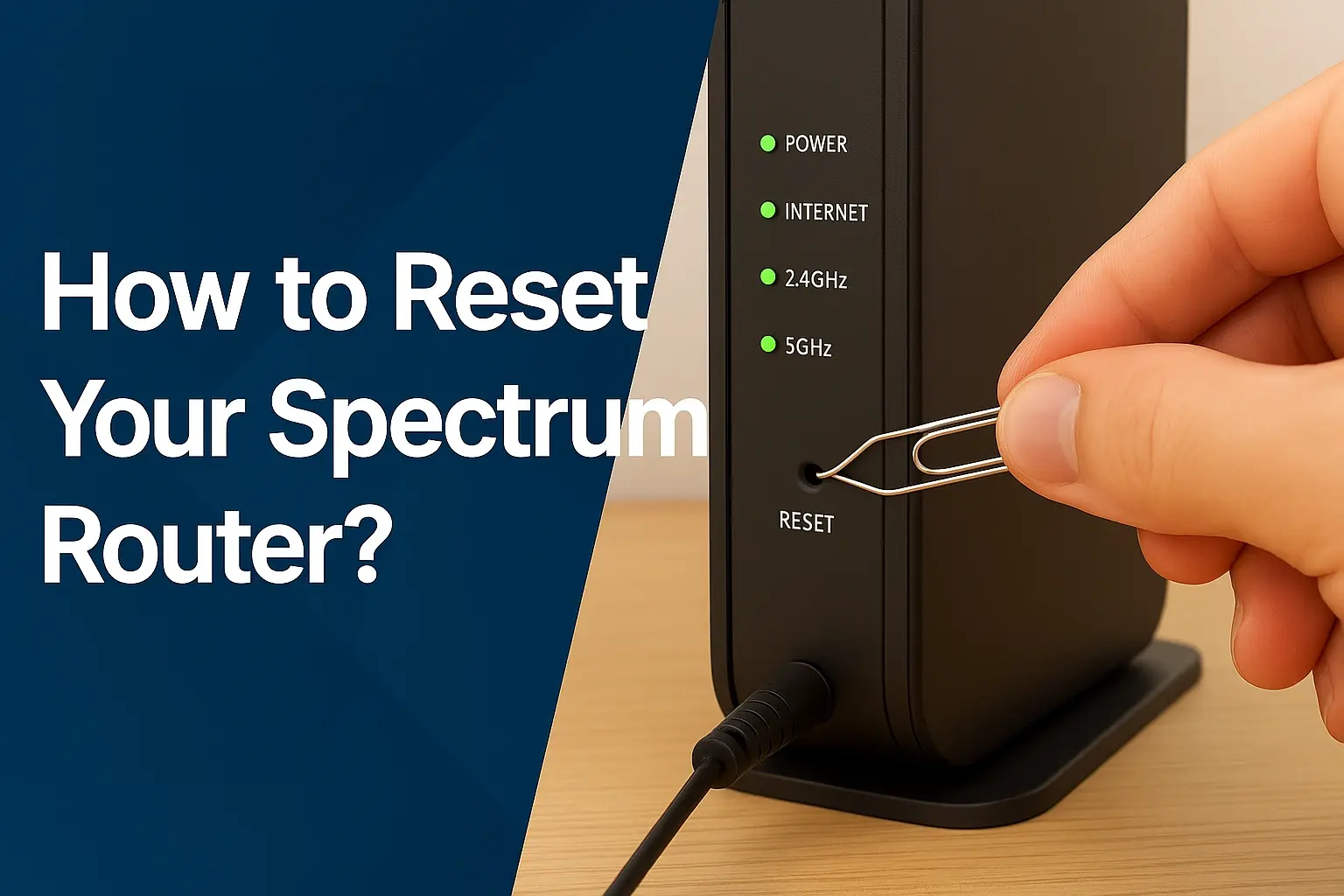
- Restart equipment: Power cycling your modem and router can often resolve temporary glitches.
- No Internet Connection:
- Check modem lights: Ensure the modem is powered on and has a stable connection.
- Restart modem and router: This is often the first step in troubleshooting.
- Check for local outages: Visit Spectrum's outage map or contact support.
- Verify wiring: Ensure all cables are securely connected.
- Wi-Fi Issues:
- Router placement: Move the router to a more central location.
- Interference: Other electronics can interfere. Try moving the router away from them.
- Channel congestion: Some routers allow you to change the Wi-Fi channel to a less congested one.
- Update router firmware: Ensure your router's software is up to date.
For persistent issues that cannot be resolved through self-troubleshooting, contacting Spectrum's technical support is the next logical step. They can remotely diagnose your connection and, if necessary, schedule a technician visit.
Future-Proofing Your Home with Spectrum Fiber
The digital world is in constant flux, with new technologies and applications emerging at an unprecedented pace. Investing in Spectrum Fiber Internet today is not just about meeting current needs; it's a strategic move to ensure your home is equipped for the demands of tomorrow. As bandwidth requirements continue to climb, a robust fiber connection provides the necessary foundation for seamless integration with future innovations, from advanced smart home ecosystems to immersive virtual and augmented reality experiences.
The Growing Demand for Bandwidth
The trend of increasing bandwidth consumption is undeniable. In 2025-26, we see this in several key areas:
- Higher Resolution Streaming: The shift from 4K to 8K streaming is already underway, requiring significantly more data.
- Cloud Computing: More applications and data are moving to the cloud, necessitating faster and more reliable connections for access and synchronization.
- Smart Home Devices: The proliferation of smart home devices – cameras, thermostats, lighting, security systems – all consume bandwidth and require constant connectivity.
- Online Gaming: Games are becoming more graphically intensive and often require large downloads and constant online connectivity, with low latency being critical.
- Virtual and Augmented Reality (VR/AR): As VR/AR technologies mature and become more mainstream for entertainment, education, and remote collaboration, they will demand extremely high bandwidth and very low latency.
- Remote Work and Education: The continued prevalence of remote work and online learning means stable, high-speed internet is essential for productivity and engagement.
A gigabit or multi-gigabit fiber connection from Spectrum provides the headroom necessary to handle these growing demands without the need for frequent upgrades. This foresight can save you money and frustration in the long run.
Spectrum Fiber as a Foundation for Smart Homes
A truly "smart" home relies on a robust and responsive network. Spectrum Fiber provides the ideal foundation for an advanced smart home ecosystem:
- Seamless Device Integration: With ample bandwidth, all your smart devices can communicate efficiently without slowing down your network. This includes smart assistants, security cameras, smart appliances, and more.
- Real-Time Control: Low latency ensures that commands sent to your smart devices are executed almost instantaneously, enhancing the user experience.
- High-Definition Surveillance: If you use smart security cameras, a fiber connection allows for the streaming and recording of high-definition video feeds without interruption.
- Future Smart Home Technologies: As smart home technology evolves to incorporate more complex AI, machine learning, and real-time data processing, a high-capacity fiber connection will be indispensable.
Enhancing Entertainment and Gaming Experiences
For entertainment enthusiasts and gamers, Spectrum Fiber is a game-changer:
- Buffer-Free 4K/8K Streaming: Enjoy the highest quality video content from services like Netflix, Disney+, and Amazon Prime Video without annoying buffering, even with multiple streams running simultaneously.
- Lag-Free Online Gaming: The low latency and high speeds of fiber provide a competitive edge in online gaming, ensuring your actions are registered instantly and gameplay is smooth. This is particularly important for esports and fast-paced multiplayer games.
- Faster Game Downloads: Downloading large game files, which can easily exceed 100 GB, becomes a matter of minutes rather than hours on a gigabit fiber connection.
- Immersive VR/AR: As VR/AR gaming and experiences become more prevalent, a fiber connection will be essential for delivering the high-resolution, low-latency data required for a truly immersive experience.
The Long-Term Value Proposition
While the upfront cost of a high-speed fiber plan might seem higher than basic cable or DSL, the long-term value proposition is significant. By future-proofing your home with Spectrum Fiber, you are investing in:
- Reduced Need for Future Upgrades: A gigabit connection is likely to remain sufficient for most household needs for many years to come.
- Increased Home Value: In an increasingly connected world, a home with high-speed, reliable internet infrastructure can be more attractive to potential buyers.
- Enhanced Productivity and Efficiency: For remote workers and students, a superior internet connection directly translates to better performance and less wasted time.
- Peace of Mind: Knowing your internet connection can handle whatever the digital future throws at it provides invaluable peace of mind.
Choosing Spectrum Fiber is a forward-thinking decision that positions your household at the forefront of digital connectivity, ensuring you can fully embrace the evolving online world for years to come.
In conclusion, upgrading to Spectrum Fiber Internet plans in 2025-26 offers a compelling solution for anyone seeking superior speed, unparalleled reliability, and a future-proofed connection. By understanding the advantages of fiber technology, evaluating the different plan tiers, and considering your household's specific needs, you can confidently select the perfect Spectrum Fiber package. Don't let outdated internet technology hold you back; embrace the transformative power of fiber and elevate your online experience today.