Frontier Fiber 500 offers a compelling blend of speed and affordability for many households, making it a strong contender in the fiber internet market. This review delves into its performance, features, and suitability for various user needs in 2025-2026, helping you decide if it's the right choice for your home.
What is Frontier Fiber 500?
Frontier Fiber 500 is an internet plan offered by Frontier Communications, providing a symmetrical download and upload speed of up to 500 Mbps. This plan leverages the inherent advantages of fiber-optic technology, promising a reliable and fast internet experience. In the competitive landscape of 2025-2026, it aims to strike a balance between high performance and accessible pricing for a broad range of consumers.
Speed and Performance Analysis
The core of any internet plan's value lies in its speed and how consistently it delivers that performance. Frontier Fiber 500, with its 500 Mbps symmetrical offering, is designed to handle a significant amount of online activity. Let's break down what this means in practical terms.
Download and Upload Speeds
The "500" in Frontier Fiber 500 refers to the maximum theoretical download and upload speeds. This means you can download files, stream high-definition content, and browse the web at speeds up to 500 megabits per second. Equally important for many users, especially those who create content or participate in video calls, is the symmetrical upload speed. This means your ability to send data—like uploading large files to cloud storage, participating in video conferences, or uploading content to social media—is also capped at 500 Mbps. This symmetry is a significant advantage of fiber-optic connections over traditional cable or DSL, which often have much slower upload speeds.
In 2025-2026, 500 Mbps symmetrical speeds are considered a robust offering for the average household. For context, downloading a full HD movie (around 4GB) at 500 Mbps would take approximately 1 minute and 6 seconds. Uploading the same file would take the same amount of time, a stark contrast to cable internet where such an upload could take significantly longer.
While 500 Mbps is the advertised speed, actual speeds can fluctuate. Factors like network congestion, the quality of your home network (router, Wi-Fi signal), and the server you are connecting to can all influence your real-time experience. However, fiber's inherent architecture is designed to minimize these fluctuations compared to older technologies.
Latency and Reliability
Latency, often referred to as "ping," is the time it takes for data to travel from your device to a server and back. Lower latency is crucial for real-time applications like online gaming, video conferencing, and even smooth web browsing. Fiber optic networks inherently offer lower latency than cable or DSL because the data travels as light pulses through glass fibers, which is much faster and less prone to interference than electrical signals over copper wires.
Frontier Fiber 500 typically boasts very low latency, often in the single digits or low double digits of milliseconds (ms). For gamers, this translates to a more responsive experience, reducing lag and improving reaction times. For video calls, it means clearer conversations with fewer delays. Reliability is another hallmark of fiber. Fiber optic cables are more resistant to electromagnetic interference, weather conditions, and physical damage compared to copper cables, leading to fewer outages and a more stable connection.
In 2025-2026, with the increasing reliance on stable, low-latency connections for remote work, online education, and immersive gaming, the reliability of fiber internet is a significant selling point. Frontier's commitment to its fiber infrastructure aims to deliver on this promise.
Real-World Performance Scenarios
To truly gauge if Frontier Fiber 500 is "good," we need to look at how it performs in everyday situations:
- Streaming: With 500 Mbps download, you can easily stream multiple 4K HDR movies simultaneously across different devices without buffering. This is more than enough for a family with several users, each watching their preferred content.
- Online Gaming: Low latency and high bandwidth are critical. Frontier Fiber 500 provides the necessary speed to download large game files quickly and the low ping essential for competitive online play. Symmetrical upload speeds also ensure smooth streaming if you're a game streamer.
- Video Conferencing: For remote work or online classes, clear video and audio are paramount. 500 Mbps symmetrical upload speeds ensure that your video feed is crisp and your voice is clear, without the choppy experience sometimes seen with lower upload speeds.
- Large File Transfers: Uploading or downloading large project files, backups, or media assets becomes significantly faster. A 10GB file could be downloaded in about 2.5 minutes and uploaded in the same time.
- Smart Home Devices: As more homes become equipped with smart devices (thermostats, security cameras, smart speakers, etc.), the demand on the internet connection increases. 500 Mbps can comfortably handle dozens of connected devices without performance degradation.
In 2025-2026, as internet usage continues to grow and become more data-intensive, a 500 Mbps symmetrical plan like Frontier Fiber 500 is well-positioned to meet and exceed the needs of most households.
Key Features and Benefits
Beyond raw speed, several other factors contribute to the overall value and appeal of Frontier Fiber 500. Understanding these can help you make a more informed decision.
Fiber Optic Technology
The most significant benefit of Frontier Fiber 500 is its use of fiber-optic technology. Unlike traditional copper-based internet (DSL) or even coaxial cable, fiber optics transmit data as pulses of light through thin strands of glass. This fundamental difference offers several advantages:
- Higher Bandwidth Potential: Fiber can carry significantly more data over longer distances with less signal degradation.
- Lower Latency: As mentioned, light travels faster and is less susceptible to delays.
- Greater Reliability: Fiber is immune to electromagnetic interference, meaning it's not affected by things like power lines, fluorescent lights, or even lightning strikes. It's also more durable than copper.
- Future-Proofing: Fiber optic infrastructure is designed to support speeds far beyond what most consumers currently need, meaning your connection is more likely to remain adequate for years to come.
In 2025-2026, the push towards more data-intensive applications like virtual reality, augmented reality, and increasingly sophisticated cloud services makes fiber the superior choice for future-proofing your home network.
Pricing and Contract Terms
Pricing is a critical factor for most consumers. Frontier Fiber 500 is often positioned as a competitive option, especially when considering its symmetrical speeds and fiber-optic delivery. As of 2025-2026, pricing for internet plans can vary significantly by region and promotional offers. However, Frontier typically aims to offer attractive introductory rates, often with a commitment to no annual contracts for many of its fiber plans. This lack of a long-term contract is a significant benefit, offering flexibility for consumers who may move or find a better deal later.
It's crucial to check Frontier's official website or contact them directly for the most current pricing in your specific area. Often, advertised prices are for a limited time (e.g., 12 or 24 months) and may increase after the promotional period. Understanding the standard rate after the introductory offer is essential for long-term budgeting. Many providers, including Frontier, may also offer discounts for bundling with other services like home phone or TV, though this is less common with their pure fiber offerings which are often focused on internet-only.
Equipment and Installation
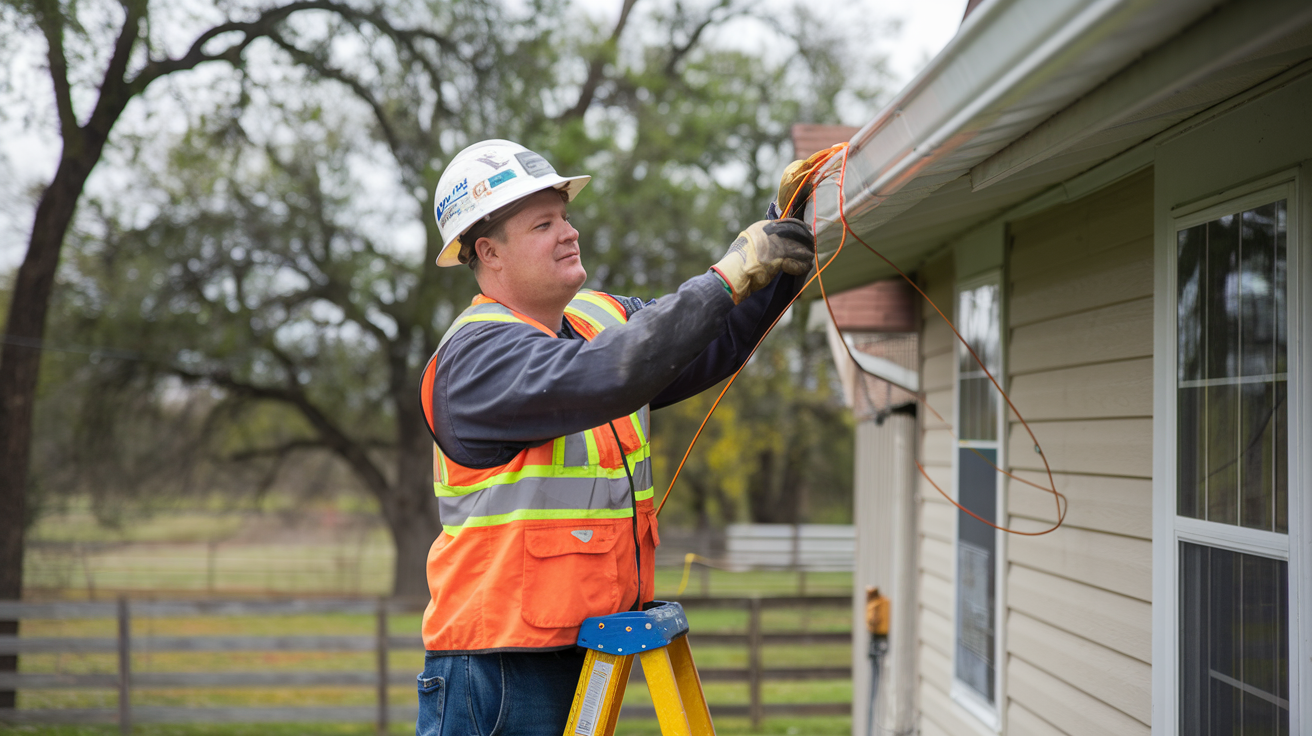
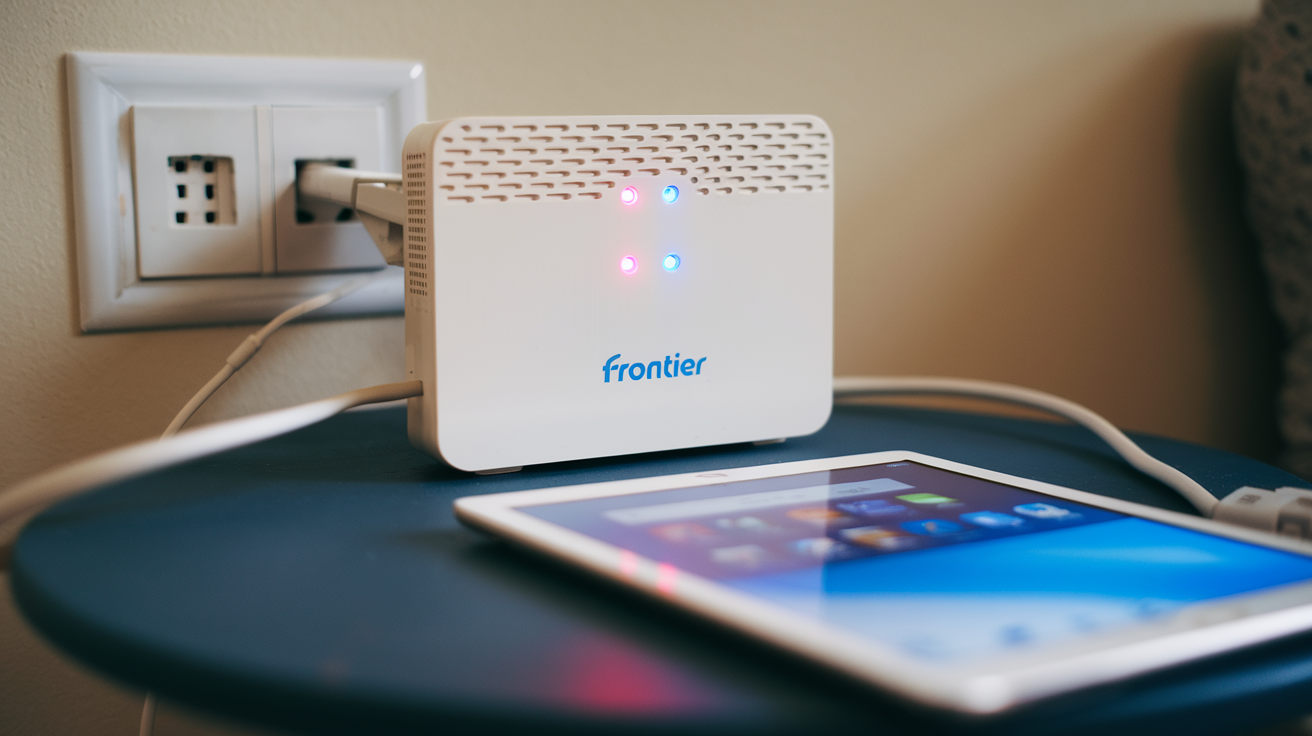
Frontier typically provides the necessary equipment, usually a modem/router combo unit, to connect your home to their fiber network. For fiber installations, a technician will usually need to run a fiber optic cable from the street to your home and install an Optical Network Terminal (ONT) inside. The installation process is generally straightforward but requires a scheduled appointment. The quality and capabilities of the provided router can impact your in-home Wi-Fi performance. While Frontier's provided equipment is usually adequate for basic use, some users with extensive smart home setups or very large homes might consider upgrading to their own high-performance router for optimal Wi-Fi coverage and features.
The installation fee can vary, and sometimes Frontier offers free installation as part of a promotional package. It's always wise to inquire about any installation charges and what the process entails. For 2025-2026, the trend is towards simpler, less intrusive installations, but fiber always requires a physical connection.
Customer Support and Service
Customer support is a vital, though often overlooked, aspect of any internet service. Frontier's customer support can be accessed through various channels, including phone, online chat, and email. Reviews on customer service quality can be mixed for any large telecommunications company. For fiber services, particularly in areas where Frontier is expanding its fiber network aggressively (like in some former Verizon FiOS territories), customer satisfaction can be higher due to the perceived superiority of the technology.
When evaluating Frontier Fiber 500, consider looking at recent customer reviews regarding their support responsiveness, technical assistance, and issue resolution. For 2025-2026, with more people relying on their internet for work and education, prompt and effective customer support is more critical than ever. Frontier has been investing in improving its customer service infrastructure, aiming to provide a better experience for its fiber customers.
Who is Frontier Fiber 500 Best Suited For?
The "goodness" of Frontier Fiber 500 is subjective and depends heavily on your individual or household's internet usage patterns. Here's a breakdown of who would benefit most from this plan:
Average Households
For a typical family with 2-4 members, Frontier Fiber 500 is more than sufficient. This includes activities like web browsing, email, social media, streaming standard and HD video content on multiple devices, and occasional video calls. The symmetrical upload speed is a bonus that even average households can appreciate for smoother video conferencing and faster photo uploads.
Gamers and Streamers
Online gamers require low latency and high bandwidth for a seamless experience. Frontier Fiber 500 delivers on both. Downloading large games (which can easily exceed 100GB in 2025-2026) will be significantly faster. Low ping ensures that your actions in-game are registered instantly. For aspiring or established game streamers, the 500 Mbps upload speed is crucial for broadcasting high-quality video feeds without interruption, making it an excellent choice for this demographic.
Remote Workers and Students
The rise of remote work and online education has made reliable, high-speed internet a necessity. Frontier Fiber 500 excels here. Video conferencing with multiple participants, downloading and uploading large work or school files, and accessing cloud-based applications are all handled with ease. The symmetrical speeds are particularly beneficial for remote workers who frequently upload presentations, large documents, or video recordings.
Smart Home Enthusiasts
As smart home technology becomes more integrated, the number of connected devices in a household can quickly multiply. From smart thermostats and lighting to security cameras and voice assistants, each device consumes bandwidth. Frontier Fiber 500's robust 500 Mbps speed can comfortably support a large ecosystem of smart devices, ensuring that they all operate smoothly and reliably without impacting other internet activities.
Frontier Fiber 500 vs. Competitors
To determine if Frontier Fiber 500 is "good," it's essential to compare it against other internet service providers (ISPs) and their offerings in the 2025-2026 market. The primary competitors for fiber internet typically include companies like Verizon (FiOS), AT&T Fiber, Google Fiber, and local municipal fiber initiatives. Cable providers like Xfinity (Comcast) and Spectrum also offer competitive speeds, though often with asymmetrical upload speeds.
Comparison Table
Here's a simplified comparison table highlighting key aspects. Note that pricing and specific features can vary by location and are subject to change.
| Feature | Frontier Fiber 500 | Typical Competitor (Fiber, ~500 Mbps) | Typical Competitor (Cable, ~500 Mbps) |
|---|---|---|---|
| Download Speed | Up to 500 Mbps | Up to 500 Mbps (or higher) | Up to 500 Mbps (or higher) |
| Upload Speed | Up to 500 Mbps (Symmetrical) | Up to 500 Mbps (Symmetrical) | Typically 20-50 Mbps (Asymmetrical) |
| Technology | Fiber Optic | Fiber Optic | Coaxial Cable |
| Latency | Very Low | Very Low | Moderate to Low |
| Contract | Often No Annual Contract | Varies, often no contract | Varies, often requires contract |
| Data Caps | Typically Unlimited | Typically Unlimited | May apply, varies by provider |
Understanding the Competition in 2025-26
In the 2025-2026 internet landscape, fiber optic services are increasingly becoming the gold standard for residential internet. Providers are actively expanding their fiber networks, making symmetrical speeds more accessible. Frontier Fiber 500 competes directly with similar symmetrical plans from AT&T Fiber, Verizon FiOS, and Google Fiber where available. These providers often offer comparable speeds and reliability. The key differentiators often come down to pricing, promotional offers, availability in a specific area, and customer service reputation.
Cable providers like Xfinity and Spectrum are also significant competitors. They often have wider availability than fiber and can offer very high download speeds. However, their upload speeds are typically a fraction of their download speeds, making them less ideal for users who heavily rely on uploading content or engaging in high-quality video conferencing. While cable technology has improved, it is inherently more susceptible to congestion during peak hours than fiber, which can lead to more variable performance.
When comparing, it's crucial to look beyond just the advertised speeds. Consider the total cost of ownership (including installation fees, equipment rental, and potential price increases after promotional periods), contract requirements, and data cap policies. Frontier's strength often lies in its commitment to fiber and often flexible contract terms, making its 500 Mbps plan a strong value proposition for many.
Potential Downsides and Considerations
While Frontier Fiber 500 presents a strong case for being a good internet plan, there are potential downsides and factors to consider before making a commitment.
Availability Limitations
The most significant limitation for Frontier Fiber 500, like any fiber optic service, is its availability. Fiber optic networks are expensive and time-consuming to deploy. Frontier's fiber footprint is not as extensive as that of major cable providers. While Frontier has been actively expanding its fiber infrastructure, it's still primarily concentrated in certain regions and cities. If Frontier Fiber is not available at your address, then its "goodness" is irrelevant to you, and you'll need to consider other providers.
It's essential to use Frontier's online availability checker or contact them directly to confirm if their fiber service, including the 500 Mbps plan, is offered in your specific location. For 2025-2026, this remains the primary barrier to entry for many potential customers.
Data Caps and Throttling Policies
One of the significant advantages of most fiber optic plans, including Frontier Fiber 500, is the absence of data caps. Unlike some cable or satellite providers that impose monthly data limits, fiber providers generally offer unlimited data. This means you can stream, download, and upload as much as you want without worrying about exceeding a cap and incurring overage charges or experiencing reduced speeds. In 2025-2026, with the increasing volume of data consumed by streaming services, cloud backups, and online gaming, unlimited data is a crucial feature for many households.
Frontier's fiber plans typically do not have data caps, which is a major plus. However, it's always prudent to double-check the terms of service for any specific plan in your area, as policies can sometimes vary or change. Similarly, while fiber is less prone to congestion-related throttling than cable, providers may still reserve the right to manage network traffic during extreme congestion events, though this is rare for fiber.
Potential for Price Increases
Many internet service providers, including Frontier, offer attractive introductory pricing for new customers. These promotional rates are often valid for a limited period, such as 12 or 24 months. After this introductory period, the price of the service typically increases to the standard rate. While the standard rate for Frontier Fiber 500 may still be competitive, it's crucial to understand what that rate will be before signing up. This foresight helps in budgeting and avoids sticker shock when the promotional period ends.
When comparing Frontier Fiber 500 with competitors in 2025-2026, factor in the long-term cost, not just the initial savings. Some providers might have lower standard rates but require a contract, while others might have higher standard rates but offer more flexibility. Understanding the full pricing structure is key to determining if Frontier Fiber 500 is a good long-term investment for your internet needs.
Making the Decision
So, is Frontier Fiber 500 good? Based on its symmetrical 500 Mbps speeds, reliance on robust fiber-optic technology, and often flexible contract terms, it is an excellent choice for a vast majority of households in 2025-2026. It offers a fantastic balance of speed, reliability, and value, particularly for those who engage in data-intensive activities like streaming, online gaming, and remote work. The low latency and symmetrical upload speeds are significant advantages that set it apart from many cable internet plans.
However, its "goodness" is contingent on availability in your area. If Frontier Fiber is not an option, you'll need to explore other providers. If it is available, carefully compare its current pricing, including any introductory offers and the standard rate after the promotion, against comparable fiber plans from competitors like AT&T Fiber or Verizon FiOS, as well as high-speed cable options from Xfinity or Spectrum. Always check for hidden fees, contract requirements, and data caps. Ultimately, for users seeking a fast, reliable, and future-proof internet connection, Frontier Fiber 500 stands out as a strong contender that is indeed very good.