Experiencing internet outages in Las Vegas? If you're asking "Is Cox down in Las Vegas?", this guide provides real-time status updates, troubleshooting steps, and insights into potential causes and solutions for Cox internet disruptions. Get back online fast.
Checking Cox Internet Outage Status in Las Vegas
When your Cox internet connection suddenly drops in the vibrant city of Las Vegas, the immediate question on your mind is likely, "Is Cox down in Las Vegas?" This is a common concern, especially given the city's reliance on stable internet for both business and entertainment. Fortunately, there are several ways to quickly ascertain the status of Cox services in your area. Understanding these methods can save you valuable time and frustration.
Official Cox Communications Resources
Cox Communications, like most major internet service providers (ISPs), offers official channels for customers to check for widespread outages. These are your first and most reliable points of contact when you suspect a service disruption.
Cox.com Website
The primary resource is the official Cox Communications website. Navigate to their support or service status section. While the exact URL might change, searching for "Cox service status" or "Cox outage map" on their site will typically lead you to the relevant page. This portal often provides a real-time map or a list of reported outages affecting different regions. For Las Vegas, you can usually filter by zip code or city to see if your specific area is impacted by a known outage. In 2025-26, Cox continues to invest in its online portal, making it more user-friendly and informative. The website should detail the estimated time of restoration (ETR) if an outage is confirmed and ongoing.
Cox Mobile App
Many users find the Cox mobile app to be an even quicker way to check service status. Available for both iOS and Android devices, the app allows you to log in to your account and often displays a banner or notification if there's a known outage affecting your service address. You can also use the app to run remote diagnostics on your equipment, which can help determine if the issue is with your local setup or a broader network problem. The app's push notifications can also alert you to new outages or updates on existing ones, providing proactive information.
Customer Service Phone Line
If you prefer speaking to a representative or if online resources are inaccessible due to the outage, calling Cox customer service is another option. The automated system often provides information about known outages before connecting you to a live agent. Be prepared for potentially longer wait times during widespread service disruptions, as many customers will be experiencing the same issue. The customer service number for Cox typically can be found on your bill or by searching "Cox customer service phone number" online.
Third-Party Outage Detectors
While official channels are paramount, third-party websites and social media can offer supplementary information, especially in the initial stages of an outage. These platforms aggregate user-reported issues, which can sometimes provide a faster, albeit less official, indication of a problem.
Downdetector.com
Websites like Downdetector are popular for tracking internet and other service outages. Users can report issues they are experiencing, and the site compiles this data into a real-time graph. If you search for "Cox Las Vegas outage" on Downdetector, you'll see a surge in reports if many users are experiencing problems simultaneously. This can be a good indicator that Cox is indeed experiencing an outage in the area. It's important to note that these reports are user-generated and may not always reflect the official status or cause.
Social Media Platforms (Twitter/X, Facebook)
Many ISPs, including Cox, maintain active social media presences. Searching for "Cox Communications" or "CoxHelp" on platforms like Twitter (now X) can sometimes reveal official updates or responses from the company regarding outages. Additionally, local Las Vegas community groups on Facebook or Twitter might have users discussing their internet issues, which can corroborate a widespread problem. However, treat social media information with a degree of caution, as it can be anecdotal.
What to Look For When Checking Status
When you check the status, pay attention to the following:
- Area Affected: Does the reported outage encompass your specific neighborhood or zip code in Las Vegas?
- Cause of Outage: Is there a reason provided (e.g., equipment failure, maintenance, weather)?
- Estimated Time of Restoration (ETR): While often an estimate, this gives you an idea of when service might return.
- Number of Reports: A high volume of user reports on third-party sites often correlates with a genuine outage.
By utilizing these resources, you can efficiently determine if your internet woes are a localized issue or part of a larger Cox outage in Las Vegas.
Common Causes of Cox Internet Outages in Las Vegas
Understanding why your Cox internet might be down in Las Vegas can help you anticipate potential issues and even perform basic troubleshooting. Outages aren't always random; they often stem from identifiable causes, ranging from external factors to internal network problems. For 2025-26, Cox continues to face challenges common to large-scale infrastructure providers.
Infrastructure and Equipment Issues
The physical network that delivers internet service is complex and susceptible to various problems.
Fiber Optic Cable Damage
Cox relies heavily on fiber optic cables for high-speed internet delivery. Accidental damage during construction, digging projects, or even natural events like earthquakes (though less common in Las Vegas compared to other regions, seismic activity is a consideration) can sever these vital lines. Repairing fiber optic cables is a delicate and time-consuming process.
Network Equipment Malfunctions
At various points in the network – from local nodes to central data centers – Cox uses sophisticated equipment like routers, switches, and servers. These components can fail due to hardware defects, power surges, overheating, or simply reaching the end of their operational lifespan. When a critical piece of network equipment fails, it can disrupt service for a significant number of users in an area.
Power Outages
While Cox's infrastructure typically has backup power systems (generators, UPS), prolonged or widespread power outages affecting the local grid can eventually overwhelm these redundancies. If a power outage affects a Cox facility or a large area of their network infrastructure, it will inevitably lead to an internet outage for customers in that vicinity. Las Vegas, like any major city, can experience power disruptions due to grid strain, equipment failure at power substations, or extreme weather events.
Environmental and External Factors
Beyond the direct infrastructure, external elements can also trigger service interruptions.
Severe Weather
While Las Vegas is known for its arid climate, severe weather events, though infrequent, can still impact internet services. Dust storms can affect exposed equipment, and rare but intense thunderstorms can cause power surges or damage. Extreme heat, a more common concern in Las Vegas, can also lead to equipment overheating if cooling systems fail.
Third-Party Interference
Sometimes, issues can arise from external sources. This might include accidental damage by other utility companies during their work, or even malicious activity, though the latter is less common for widespread outages.
Maintenance and Upgrades
While often planned and communicated, scheduled maintenance and network upgrades can sometimes lead to brief or unexpected service interruptions. Cox continually works to improve its network, which involves upgrading hardware, expanding capacity, and optimizing performance. These activities are essential for providing better service but can occasionally cause temporary disruptions. Customers are typically notified in advance of planned maintenance that might affect their service.
Customer-Side Issues (Mistaken for Outages)
It's also important to differentiate between a true Cox outage and an issue specific to your home or equipment. These can often mimic a larger outage.
Modem/Router Malfunctions
Your Cox-provided modem or your personal router can malfunction, freeze, or require a reboot. This is the most common reason for a single household losing internet.
Wiring Problems
Internal wiring issues within your home, such as damaged coaxial cables or loose connections, can also lead to intermittent or complete loss of internet service.
Account Issues
In rare cases, service interruptions can be due to account-related problems, such as billing issues or service suspensions.
By understanding these potential causes, you can better assess whether your "Is Cox down?" question points to a widespread problem or a localized fixable issue.
Troubleshooting Your Cox Internet Connection
When you suspect your Cox internet is down in Las Vegas, or if you're experiencing slow speeds and intermittent connectivity, a systematic troubleshooting approach can often resolve the issue without needing to contact customer support. This is especially true if you've already checked official outage maps and found no widespread problems. The following steps are designed to help you diagnose and fix common Cox internet problems.
Step 1: Check Your Equipment and Connections
The first and most crucial step is to ensure your Cox equipment is functioning correctly and all connections are secure.
Inspect Your Modem and Router
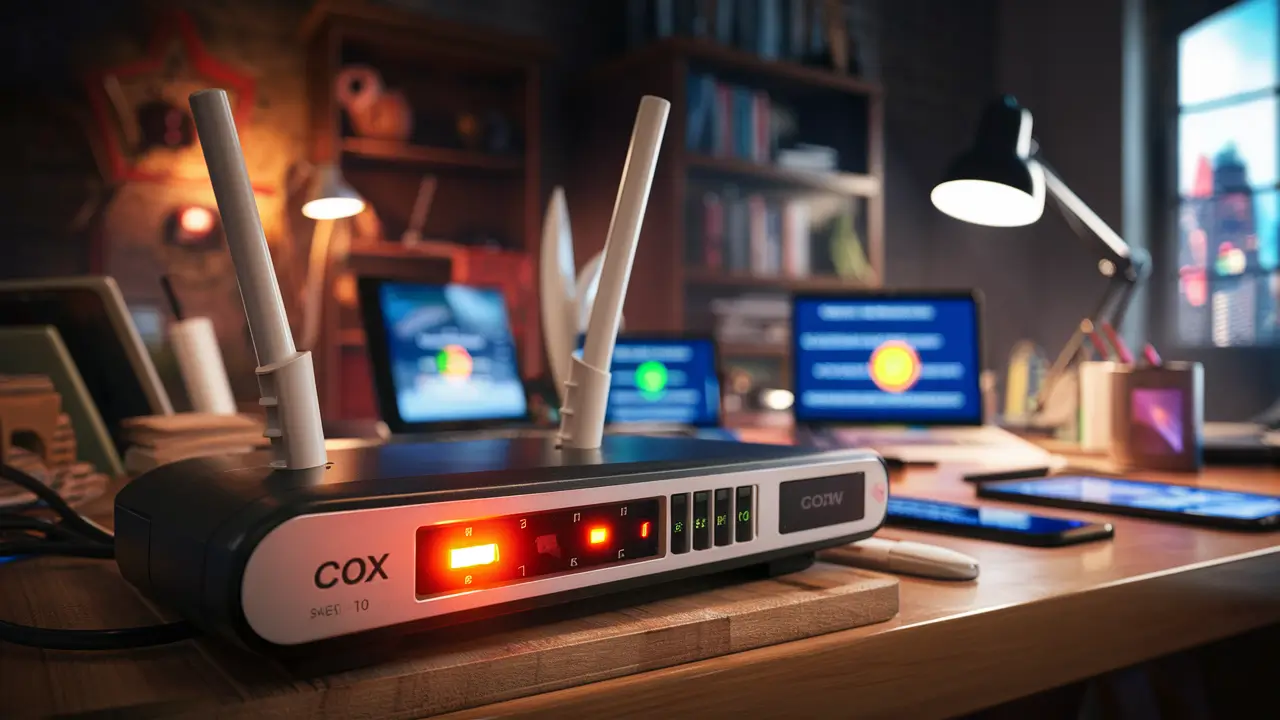
Look at the status lights on your Cox modem (and your personal router, if you use one).
- Power Light: Should be solid.
- Downstream/Receive Light: Should be solid or blinking, indicating it's receiving a signal.
- Upstream/Send Light: Should be solid or blinking, indicating it's sending data.
- Online/Internet Light: This is the most important. It should be solid, indicating a successful connection to the Cox network. If it's off, blinking erratically, or a different color than usual (e.g., red or orange), it signifies a problem.
Ensure all cables (coaxial, Ethernet, power) are securely plugged into both the equipment and the wall outlets. Loose connections are a frequent culprit for connectivity issues.
Step 2: Power Cycle Your Equipment
This is the most effective troubleshooting step for many common internet problems. A power cycle, often called a reboot, forces your modem and router to reset and re-establish a connection with the Cox network.
Procedure for Power Cycling:
- Unplug the power cords from both your Cox modem and your router (if separate).
- Wait for at least 60 seconds. This allows the devices to fully discharge and clear their temporary memory.
- Plug the modem back in first. Wait for its lights to stabilize, indicating it has reconnected to the network (this can take 2-5 minutes).
- Plug the router back in. Wait for its lights to stabilize.
- Test your internet connection on a device connected via Wi-Fi or Ethernet.
This simple process can resolve many temporary glitches that might be causing your internet to appear "down."
Step 3: Test with a Wired Connection
If you're primarily using Wi-Fi, the problem might be with your wireless signal rather than the internet connection itself.
- Connect a computer directly to your Cox modem or router using an Ethernet cable.
- Try accessing a website.
If the internet works reliably via Ethernet but not Wi-Fi, the issue is likely with your router's wireless settings, interference, or the router itself. You may need to reposition your router, change the Wi-Fi channel, or consider replacing the router.
Step 4: Check Multiple Devices and Websites
To further isolate the problem, try accessing the internet from different devices (e.g., smartphone, tablet, another computer) and visit various websites.
- If only one device cannot connect, the problem is likely with that specific device's settings or network adapter.
- If multiple devices cannot connect to the internet, but they can connect to your Wi-Fi network, the issue is likely with the modem or the Cox service.
- If you can access some websites but not others, it might be a DNS issue or a problem with the specific website's server.
Step 5: Run Cox Speed Tests
If your internet is working but is slow or inconsistent, running a speed test can provide valuable data.
- Visit the official Cox speed test page (search "Cox speed test") or use a reputable third-party site.
- Perform the test using a wired Ethernet connection for the most accurate results.
- Compare the results to the speeds advertised in your Cox plan. Significant discrepancies might indicate a network issue or a problem with your equipment.
Step 6: Check for Service Outages Again
After attempting these troubleshooting steps, revisit the official Cox outage maps and third-party detectors. It's possible an outage was reported or began while you were troubleshooting. If you find a confirmed outage in your Las Vegas area, your troubleshooting efforts at home are likely not the cause.
Step 7: Consider Your Equipment
If you own your modem and router, ensure they are compatible with Cox's current network standards. Outdated equipment can lead to performance issues or inability to connect to newer network technologies. Cox often provides a list of approved modems on their website. For 2025-26, this includes DOCSIS 3.1 modems for optimal performance.
If none of these steps resolve your issue, it's time to escalate the problem.
Reporting a Cox Internet Outage
When troubleshooting steps don't restore your Cox internet service in Las Vegas, and you suspect a genuine outage or a persistent problem, reporting it to Cox Communications is the next logical step. Providing accurate information when you report an issue helps Cox technicians diagnose and resolve the problem more efficiently.
When to Report an Outage
You should consider reporting an issue if:
- You've completed the basic troubleshooting steps (power cycle, checking connections, testing multiple devices) and your internet is still not working.
- You have confirmed via Cox's official channels (website, app) that there is no widespread outage in your area, but you are still experiencing a complete loss of service.
- You are experiencing persistent intermittent connectivity or significantly degraded speeds that don't improve after troubleshooting.
- Your Cox equipment is showing error lights that indicate a connection problem.
How to Report an Outage to Cox
Cox offers several convenient methods for reporting service issues. Choose the one that best suits your situation.
Through the Cox Website
Log in to your Cox account on Cox.com. Navigate to the "Support" or "My Account" section. There should be an option to report an outage or service issue. You'll typically be prompted to enter your service address and describe the problem. This method often allows you to initiate remote diagnostics and receive updates via email or text.
Using the Cox Mobile App
The Cox mobile app is a streamlined way to report issues. After logging in, look for a "Troubleshoot" or "Report an Issue" option. The app may guide you through a series of diagnostic questions or allow you to directly report an outage affecting your service address. This is often the fastest method for initiating a service ticket.
By Phone
Calling Cox customer service is a direct way to report a problem.
- Customer Service Number: Find the specific number for your region on your Cox bill or by searching online for "Cox customer service Las Vegas."
- Automated System: The automated system may detect an outage in your area and inform you. If not, you'll be directed to speak with a representative.
- Be Prepared: Have your account number ready. Clearly explain the problem, the troubleshooting steps you've already taken, and any specific error messages or light patterns you're observing on your equipment.
Information to Provide When Reporting
To expedite the process, gather and provide the following information:
- Your Account Number: Essential for Cox to identify your service.
- Service Address: Confirm the exact address where the service is experiencing issues.
- Nature of the Problem: Is it a complete outage, intermittent connection, slow speeds, or something else?
- When the Problem Started: Provide an approximate time or date.
- Troubleshooting Steps Taken: Mention that you've rebooted your modem/router, checked connections, and tested multiple devices.
- Status Lights on Equipment: Describe the color and behavior of the lights on your Cox modem.
- Any Error Messages: If you're seeing specific error messages on your devices, note them down.
What Happens After Reporting?
Once you report an outage or service issue, Cox will typically:
- Create a Service Ticket: This logs your issue in their system.
- Run Remote Diagnostics: Technicians may attempt to diagnose the problem remotely.
- Dispatch a Technician (if necessary): If the issue cannot be resolved remotely, a technician may be scheduled to visit your home or a network access point in your area.
For 2025-26, Cox is emphasizing faster ticket resolution and improved communication regarding technician appointments. You may receive text or email updates about the status of your ticket and any scheduled appointments.
Considering Cox Service Alternatives in Las Vegas
While Cox Communications is a dominant internet service provider in Las Vegas, it's not the only option. If you're frequently experiencing outages, dealing with poor customer service, or seeking better speeds or pricing, exploring alternatives is a wise move. The competitive landscape in Las Vegas offers several viable choices for internet service.
Understanding Internet Service Types
Before comparing providers, it's helpful to understand the different types of internet connections available:
- Cable Internet: Like Cox, this uses coaxial cables. It offers high speeds and is widely available but can be affected by network congestion.
- Fiber Optic Internet: The fastest and most reliable option, using light signals through glass fibers. Availability is growing but still limited in some areas.
- DSL Internet: Uses existing phone lines. Generally slower than cable or fiber, but often more affordable and available in areas where others aren't.
- Fixed Wireless Internet: Uses radio waves to connect a fixed location. Can be a good option in areas with limited wired infrastructure.
- Satellite Internet: Available almost anywhere, but typically has higher latency and lower speeds compared to other options. Less ideal for a major city like Las Vegas.
Major Internet Providers in Las Vegas
Here's a look at some of the primary alternatives to Cox in the Las Vegas area, along with their typical offerings for 2025-26:
1. CenturyLink (Quantum Fiber)
CenturyLink, now rebranding its fiber services as Quantum Fiber in many areas, is a significant competitor.
- Service Type: Primarily DSL, with a growing footprint of fiber optic internet in select Las Vegas neighborhoods.
- Pros: Quantum Fiber offers symmetrical upload/download speeds (meaning uploads are as fast as downloads), which is excellent for video conferencing, large file uploads, and gaming. DSL is widely available.
- Cons: DSL speeds are significantly slower than fiber and can be affected by distance from the central office. Fiber availability is still limited compared to cable.
- Pricing: Varies significantly based on speed and technology. Fiber plans can be competitive with Cox's higher tiers.
2. T-Mobile Home Internet / Verizon 5G Home Internet
These providers leverage their 5G cellular networks to offer home internet.
- Service Type: Fixed Wireless (5G).
- Pros: Often very affordable with simple, all-inclusive pricing (no data caps, no equipment rental fees). Easy setup. Good for moderate internet usage.
- Cons: Speeds can be inconsistent and depend heavily on signal strength and network congestion in your specific area. May not be suitable for heavy users or those requiring extremely stable, high-speed connections. Availability is based on 5G network coverage.
- Pricing: Typically a flat monthly rate, often around $50-$75.
3. Local Fiber Providers (Emerging)
While Cox and CenturyLink (Quantum Fiber) are the largest, keep an eye out for smaller, local fiber providers that may be expanding their networks in specific Las Vegas communities. These can offer competitive speeds and pricing. Researching "fiber internet Las Vegas" can reveal these newer players.
Comparison Table: Cox vs. Key Alternatives (Las Vegas 2025-26)
This table provides a general overview. Specific plans, speeds, and pricing can vary by location and promotions.
| Feature | Cox (Cable) | Quantum Fiber (Fiber) | T-Mobile/Verizon (5G Home) |
|---|---|---|---|
| Typical Speeds (Download) | Up to 1 Gbps+ | Up to 1 Gbps+ (Symmetrical) | Varies (e.g., 70-240 Mbps typical) |
| Upload Speeds | Significantly lower than download | Symmetrical (same as download) | Varies, often slower than download |
| Reliability | Generally good, but can experience congestion | Excellent, very stable | Can vary based on signal and network load |
| Availability | Widespread | Growing, but limited to specific areas | Dependent on 5G coverage |
| Data Caps | Often have data caps or overage charges (check plan) | Typically unlimited | Typically unlimited |
| Equipment Costs | Rental fees common, or purchase option | Often included or a one-time purchase | Usually included, no rental fee |
Factors to Consider When Choosing an Alternative
- Availability at Your Address: The most crucial factor. Use provider websites to check serviceability for your specific Las Vegas address.
- Speed Requirements: Assess your household's internet usage. Do you need gigabit speeds for heavy streaming and gaming, or is a moderate speed sufficient?
- Budget: Compare monthly costs, including equipment rental fees, installation charges, and potential promotional pricing.
- Reliability: Read reviews and check outage reports for alternative providers in your specific Las Vegas neighborhood.
- Customer Service: Research customer satisfaction ratings for each provider.
Don't hesitate to switch if Cox is consistently failing to meet your needs. The availability of diverse internet technologies in Las Vegas for 2025-26 means you likely have better options.
Preventative Measures for Internet Reliability
While you can't prevent external factors like widespread Cox outages in Las Vegas, you can take proactive steps to maximize your own internet reliability and minimize disruptions within your home. These measures focus on optimizing your equipment, network, and usage habits.
Optimize Your Home Network Setup
Your home network is the first line of defense against connectivity issues.
Router Placement and Quality
The location and quality of your Wi-Fi router significantly impact signal strength and stability.
- Central Location: Place your router in a central, open area of your home, away from obstructions like thick walls, metal objects, and large appliances (microwaves, refrigerators) that can interfere with Wi-Fi signals.
- Elevated Position: Routers often perform best when placed on a shelf or table, rather than on the floor.
- Invest in a Quality Router: If you use your own router, ensure it's a modern, reputable model (e.g., Wi-Fi 6 or Wi-Fi 6E compatible for 2025-26). Older or lower-end routers can be a bottleneck, even with a fast Cox connection. Consider a mesh Wi-Fi system for larger homes to ensure consistent coverage.
Secure Your Wi-Fi Network
An unsecured or poorly secured Wi-Fi network can be exploited by unauthorized users, consuming bandwidth and slowing down your connection.
- Strong Password: Use a strong, unique password for your Wi-Fi network (WPA2 or WPA3 encryption).
- Change Default Credentials: Always change the default administrator username and password on your router.
Maintain Your Cox Equipment
Even if the equipment is provided by Cox, basic maintenance can prevent issues.
Regular Reboots
As discussed in troubleshooting, regularly rebooting your modem and router (e.g., once a week or bi-weekly) can clear temporary glitches and ensure optimal performance. Schedule this during off-peak hours to minimize disruption.
Keep Firmware Updated
If you own your modem and router, ensure their firmware is kept up-to-date. Manufacturers release updates to fix bugs, improve performance, and patch security vulnerabilities. Check your router's administration interface for firmware update options. Cox typically manages firmware for their provided modems remotely.
Manage Your Internet Usage
Understanding and managing your household's internet consumption can prevent congestion and perceived slowdowns.
Monitor Bandwidth Usage
Be aware of how much data your household consumes. High-bandwidth activities include:
- Streaming high-definition (HD) or 4K video
- Online gaming
- Large file downloads and uploads
- Video conferencing
- Multiple devices streaming simultaneously
If you frequently exceed your data cap (if applicable to your Cox plan), you may face throttling or overage charges, which can feel like an outage or slowdown. Consider upgrading your plan or managing usage during peak hours.
Prioritize Traffic (if possible)
Some advanced routers allow you to prioritize certain types of traffic or specific devices. For example, you could prioritize video conferencing for work calls over background downloads.
Consider a Backup Internet Solution
For critical needs (e.g., remote work, essential communication), having a backup internet solution can be invaluable.
- Mobile Hotspot: Most smartphones can act as a hotspot, providing a temporary internet connection. Ensure you have a sufficient data plan.
- Backup 5G Home Internet: As mentioned earlier, a secondary 5G home internet service from T-Mobile or Verizon can serve as a reliable backup if your primary Cox service goes down.
Stay Informed About Network Upgrades
Cox Communications, like all ISPs, is continually upgrading its network infrastructure. While these upgrades are generally beneficial, they can sometimes cause temporary disruptions. Staying informed about planned maintenance in your Las Vegas area through Cox's official communications can help you prepare. For 2025-26, expect continued investment in fiber expansion and network hardening.
When to Escalate to Cox Support
Despite all preventative measures, issues can still arise. If you experience persistent problems that you cannot resolve with home network optimization, don't hesitate to contact Cox support. They can perform deeper diagnostics and may identify issues with their network infrastructure or equipment that require professional intervention.
By implementing these preventative measures, you can significantly improve the stability and reliability of your internet connection, reducing the likelihood of experiencing service disruptions in your Las Vegas home.
In conclusion, when faced with an internet outage in Las Vegas and the pressing question, "Is Cox down?", remember to utilize official Cox resources like their website and mobile app for the most accurate status updates. Common causes range from infrastructure damage and equipment failure to planned maintenance. Thoroughly troubleshooting your own equipment and connections, including power cycling your modem and router, is the first line of defense. If these steps fail, reporting the issue through Cox's official channels with detailed information is crucial. For those experiencing persistent problems or seeking better service, exploring alternatives like Quantum Fiber, T-Mobile, or Verizon 5G Home Internet is a viable option, with availability varying by location. Ultimately, maintaining your home network, optimizing router placement, and considering a backup solution can enhance overall internet reliability.