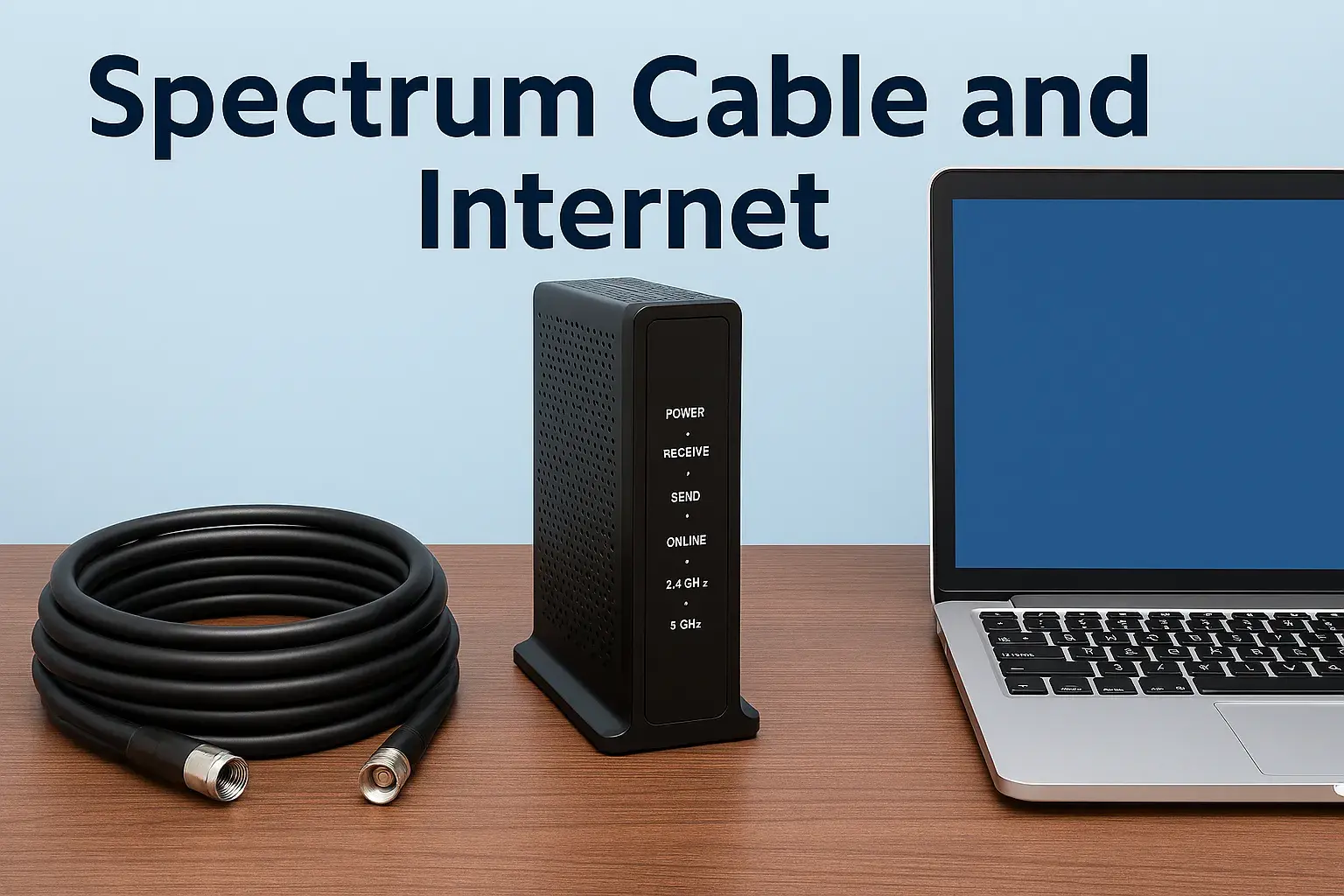
How Much Spectrum Internet

Navigating the world of internet service providers can be daunting, especially when trying to pinpoint the exact cost of Spectrum Internet. This comprehensive guide aims to demystify Spectrum's pricing, offering clear breakdowns of plans, factors influencing cost, and how to find the best value for your needs. We'll cover everything from basic internet packages to bundles, ensuring you get a precise answer to "How Much Spectrum Internet" costs in 2025-26.
Spectrum Internet Plans Overview
Spectrum, a prominent internet service provider in the United States, offers a tiered approach to its internet services, catering to a wide range of user needs and budgets. Their core offerings revolve around providing reliable broadband connectivity, with pricing typically structured based on download and upload speeds. Understanding these plans is the first step in answering "How Much Spectrum Internet" will cost you. Spectrum generally focuses on a few key internet-only plans, often promoted with introductory pricing that can increase after a promotional period. Beyond the basic internet, they also heavily emphasize bundled services, combining internet with TV and phone, which can alter the overall cost structure significantly. This section will provide a high-level overview of the types of plans available, setting the stage for a more detailed examination of pricing and features in subsequent sections.
Spectrum Internet Tiers
Spectrum typically offers several tiers of internet service, each distinguished by its speed. While the exact names and speed offerings can vary slightly by region and evolve over time, the general structure includes:
- Basic/Standard Internet: Aimed at users with lighter internet needs, such as casual browsing, email, and social media.
- Fast/Ultra Internet: Designed for households with multiple users, streaming HD content, online gaming, and moderate downloading.
- Gigabit Internet: The highest tier, offering speeds suitable for heavy users, large file transfers, advanced gaming, and supporting numerous connected devices simultaneously.
It's important to note that Spectrum is known for offering plans without data caps, a significant advantage for many users. This means you don't have to worry about exceeding a certain data limit and incurring extra charges, which is a common concern with other providers.
Promotional vs. Standard Pricing
A key characteristic of Spectrum's pricing model is the use of promotional rates. New customers are often offered significantly lower prices for the first 12 or 24 months. After this introductory period, the price typically reverts to the standard, higher rate. This is a crucial factor when considering the long-term cost of Spectrum Internet. Understanding this distinction is vital for accurately budgeting for your internet service beyond the initial contract or promotional term.
Factors Influencing Spectrum Internet Costs
The price you ultimately pay for Spectrum Internet is not a fixed number; it's influenced by several key variables. Understanding these factors will help you navigate their offerings and potentially find ways to optimize your monthly bill. From the speed you choose to where you live, each element plays a role in the final cost. This section delves into these determinants, providing a clearer picture of what affects your Spectrum Internet bill.
Internet Speed and Data Allowance
As mentioned, the primary driver of cost is the internet speed. Higher download and upload speeds naturally come with a higher price tag. Spectrum's plans are differentiated by their speed tiers, and each tier has a corresponding price point. While Spectrum generally offers unlimited data, it's always good practice to confirm this for your specific area and plan, as policies can sometimes be nuanced or change. The absence of data caps, however, means you won't be penalized for heavy usage, which is a significant cost-saving factor for power users compared to providers with strict data limits.
Promotional Offers and Contract Terms
Spectrum frequently uses promotional pricing to attract new customers. These introductory offers can significantly reduce your monthly bill for a set period, typically 12 or 24 months. After this period, the price will increase to the standard rate. It's essential to be aware of the duration of these promotions and the standard pricing that follows. Some plans may also come with specific contract terms, although Spectrum is increasingly moving towards month-to-month agreements for internet-only services.
Bundle Deals and Package Options
Spectrum offers bundles that combine internet, TV, and sometimes phone services. These bundles can often provide a cost saving compared to subscribing to each service individually. The more services you bundle, the greater the potential discount. However, you need to evaluate if you actually need all the services included in the bundle. A bundle might seem cheaper overall, but if you're paying for TV channels you never watch or a phone line you don't use, it might not be the most cost-effective solution for your specific needs.
Installation and Equipment Fees
Initial setup costs can also impact the overall expense. Spectrum may charge a one-time fee for professional installation, although self-installation options might be available and cheaper or free. You'll also need a modem. Spectrum typically includes a modem with their internet service, but it's usually a rental. While this is often factored into the monthly price, some plans might have separate equipment rental fees, or you might have the option to purchase your own compatible modem to potentially save money in the long run, though this requires careful research into compatibility and potential warranty implications.
Geographic Location and Availability
Internet pricing can vary based on your geographic location. Factors like competition in the area, local market conditions, and the cost of infrastructure deployment can influence the prices Spectrum offers. While Spectrum has a broad footprint, availability of specific plans and speeds can differ from one city or neighborhood to another. This means the answer to "How Much Spectrum Internet" costs can genuinely differ based on your address.
Additional Services and Upgrades
Beyond the core internet plan, Spectrum might offer add-on services or premium features that can increase your monthly bill. This could include things like enhanced Wi-Fi security services, static IP addresses (for businesses or advanced users), or premium support packages. These are typically optional, but it's important to review your bill to ensure you're not paying for services you don't need or want.
Spectrum Internet Pricing Breakdown (2025-26)
Providing precise, up-to-the-minute pricing for Spectrum Internet is challenging due to regional variations and the dynamic nature of promotional offers. However, based on current market trends and typical offerings observed in late 2025 and projected into 2026, we can provide a realistic breakdown. This section aims to give you a solid estimate of what to expect for various Spectrum Internet plans, keeping in mind that actual prices may differ slightly based on your exact location and any current promotions available.
Internet-Only Plans (Estimated Pricing)
Spectrum's internet-only plans are their most straightforward offerings. The pricing generally scales with the advertised download speeds. Remember, these are estimates and may include introductory offers. Standard pricing after promotional periods will be higher.
| Plan Name (Example) | Download Speed (Mbps) | Upload Speed (Mbps) | Estimated Monthly Cost (Introductory) | Estimated Monthly Cost (Standard After Promo) |
|---|---|---|---|---|
| Spectrum Internet® (Standard) | 300 | 10 | $50 - $65 | $75 - $85 |
| Spectrum Internet® Ultra | 500 | 20 | $70 - $85 | $95 - $105 |
| Spectrum Internet® Gig | Up to 1,000 | 35-50 | $90 - $105 | $115 - $130 |
Note: Prices are estimates for 2025-26 and do not include potential installation fees, equipment rental fees (if applicable), or taxes and surcharges. Speeds can vary.
Bundle Package Estimated Pricing
Bundling internet with TV and phone can offer perceived savings. These packages are highly customizable, and pricing varies significantly based on the number of TV channels, premium channels, and phone features selected. Here are some general estimates for common bundles:
- Internet + Basic TV: Expect introductory prices ranging from $90 - $120 per month, with standard rates increasing to $120 - $160+ after the promotional period.
- Internet + TV + Phone: These triple-play bundles might start around $110 - $140 per month for introductory offers, potentially rising to $150 - $200+ for standard pricing.
It's crucial to visit Spectrum's official website or speak with a sales representative to get an accurate quote for your specific needs and location, as these bundle prices are highly variable.
Installation and Equipment Fees (Estimates)
- Professional Installation: Can range from $50 to $100, though often waived or discounted with certain promotions.
- Self-Installation: Typically free or a nominal fee ($10-$20).
- Modem Rental: Spectrum usually includes a modem rental in the monthly internet price. If there's a separate fee, it might be around $10-$15 per month. Some plans may require a specific modem that you need to rent or purchase.
Always clarify these fees upfront to avoid surprises on your first bill.
Understanding Spectrum Internet Speeds
When asking "How Much Spectrum Internet" costs, it's equally important to understand what you're getting in terms of speed. Internet speed is typically measured in megabits per second (Mbps) for downloads and uploads. These numbers dictate how quickly you can access and transfer data. Spectrum offers a range of speeds to accommodate different user needs, from basic browsing to demanding applications like 4K streaming and large file transfers.
Download Speeds Explained
Download speed is the rate at which your device receives data from the internet. This is the most commonly advertised speed and is crucial for activities like:
- Streaming videos (Netflix, YouTube, Hulu)
- Browsing websites
- Downloading files (music, software, documents)
- Video conferencing
- Online gaming (downloading game updates and assets)
Spectrum's plans typically offer download speeds starting from around 300 Mbps and going up to 1,000 Mbps (1 Gig). For context, 300 Mbps is generally sufficient for a household with 2-4 users streaming HD content simultaneously. 500 Mbps is better for households with more users or those who frequently stream 4K content. Gigabit speeds are ideal for very heavy users, households with many connected devices, or those who regularly transfer large files.
Upload Speeds Explained
Upload speed is the rate at which your device sends data to the internet. While often lower than download speeds, upload speeds are increasingly important for certain activities:
- Video conferencing (Zoom, Google Meet)
- Uploading large files (videos to YouTube, photos to cloud storage)
- Online gaming (sending game commands)
- Live streaming
- Backing up data to the cloud
Spectrum's upload speeds are typically a fraction of their download speeds. For example, a 300 Mbps download plan might have a 10 Mbps upload speed. For most residential users, these upload speeds are adequate. However, if you frequently engage in activities that require significant uploads, such as professional content creation or extensive cloud backups, you might want to consider plans with higher upload speeds, though these are less common in standard residential offerings and may require business-class plans.
How Speed Affects Your Experience
The speed you choose directly impacts your online experience. If your speed is too low for your usage, you'll experience:
- Buffering: Videos will pause frequently to load, especially at higher resolutions.
- Slow Loading Times: Websites and pages will take longer to appear.
- Lag in Online Games: Delays in gameplay can make it unplayable.
- Difficulty with Multiple Users: If multiple people are using the internet simultaneously, speeds can become bogged down for everyone.
- Long Download/Upload Times: Large files will take an excessive amount of time to transfer.
Conversely, having sufficient speed ensures a smooth, responsive online experience, even with multiple devices and users connected.
Spectrum Internet Speed Tiers and Use Cases
To help you decide, here's a general guide to Spectrum's speed tiers and what they're best suited for:
- ~300 Mbps Download / 10 Mbps Upload: Ideal for 1-3 users, basic streaming (HD), web browsing, social media, email, and light online gaming.
- ~500 Mbps Download / 20 Mbps Upload: Suitable for 3-5 users, multiple HD streams, some 4K streaming, moderate online gaming, and faster downloads.
- ~1,000 Mbps (Gig) Download / 35-50 Mbps Upload: Best for 5+ users, heavy 4K streaming, serious online gaming, large file downloads/uploads, smart home devices, and supporting a high number of connected devices.
When considering "How Much Spectrum Internet" costs, always match the speed to your actual needs to avoid overpaying for unused capacity or being frustrated by insufficient performance.
Spectrum Internet Bundles and Packages
Spectrum is a major player in the triple-play market, offering attractive bundles that combine internet, TV, and phone services. These packages are often marketed as a way to simplify billing and save money compared to subscribing to each service individually. Understanding these bundles is crucial, as they can significantly alter the overall cost and value proposition of Spectrum's offerings. This section explores the typical structure of Spectrum bundles and how they might influence your decision.
The Appeal of Bundling
The primary appeal of bundling with Spectrum lies in potential cost savings and convenience. Instead of managing multiple bills from different providers, you receive a single monthly statement from Spectrum. Furthermore, Spectrum often sweetens these deals with introductory pricing that makes the combined package seem very affordable for the first year or two. For households that genuinely use all three services (internet, TV, and phone), a bundle can indeed be a cost-effective choice.
Common Bundle Combinations
Spectrum typically offers several bundle configurations:
- Double Play (Internet + TV): This is a popular option for those who want both high-speed internet and a comprehensive cable TV package. The TV portion can range from basic local channels to extensive packages with premium movie channels and sports.
- Double Play (Internet + Phone): For users who still rely on traditional landline phone service, this bundle combines internet with unlimited local and long-distance calling.
- Triple Play (Internet + TV + Phone): This is Spectrum's most comprehensive offering, bundling all three services. It's designed for households that want a complete home entertainment and communication solution from a single provider.
Evaluating Bundle Value
While bundles can offer savings, it's essential to perform a thorough evaluation to ensure it's the right choice for you:
- Assess Your Needs: Do you truly need all the services included in the bundle? If you primarily stream content online and rarely watch traditional cable TV, or if you've cut the cord on your landline, a bundle might be less beneficial.
- Compare Individual Service Costs: Research the cost of each service if purchased separately from Spectrum or from other providers. This will help you understand the actual savings offered by the bundle.
- Understand Promotional vs. Standard Pricing: As with internet-only plans, bundle prices are often introductory. Make sure you know the standard rate that will apply after the promotional period ends.
- Channel Lineups and Features: For TV bundles, carefully examine the channel lineup. Does it include the channels you watch? Are there any premium channels you'd have to pay extra for? For phone bundles, check the calling features included.
For example, a "Triple Play Silver" bundle might include 200 Mbps internet, over 170 channels, and unlimited nationwide calling. The introductory price might be around $130/month for 12 months, but the standard price could jump to $190/month. If you only need 300 Mbps internet and don't watch much TV, this might not be the best value, even with the introductory offer.
Impact on Overall Cost
Bundles can significantly reduce the perceived cost of internet service because the internet portion is often subsidized by the TV and phone components. However, if you're paying for TV channels you don't watch or phone features you don't use, the "savings" might be illusory. It's a good strategy to first determine your internet needs and budget, and then see if adding TV or phone services via a bundle makes sense, rather than starting with a bundle and trying to justify the cost of unwanted services.
Additional Fees and Hidden Costs
Beyond the advertised monthly price of your Spectrum Internet plan or bundle, there are several other fees and potential costs that can add to your overall expenditure. Being aware of these "hidden" costs is crucial for accurately answering "How Much Spectrum Internet" will truly cost you each month and over the long term. These fees can range from one-time setup charges to recurring equipment rentals and government surcharges.
Installation Fees
Spectrum typically charges for professional installation, which involves a technician coming to your home to set up your service and equipment. This fee can vary but often falls between $50 and $100. In some cases, Spectrum may offer self-installation kits, which can reduce or eliminate this fee, but this is dependent on your location and the complexity of the setup required.
Equipment Rental Fees
While Spectrum often includes a modem with their internet service, it's usually a rental unit. The cost of this rental is typically factored into the monthly service price, but in some instances, it might be itemized separately. If you plan to use your own compatible modem, you might be able to avoid these rental fees, but ensure you verify compatibility and any potential impact on support or service guarantees. For TV services, cable box rentals are almost always an additional monthly charge per box.
Taxes and Government Fees
Nearly all telecommunications services are subject to federal, state, and local taxes, as well as various regulatory fees. These can include:
- Federal Universal Service Fund (USF) fees
- State and local sales taxes
- Franchise fees (for cable services)
- Other regulatory surcharges
These fees are often not included in the advertised promotional price and can add a significant percentage to your monthly bill. The exact amount will vary based on your specific location.
Service Upgrade or Downgrade Fees
If you decide to change your internet speed or modify your TV package, Spectrum may charge a fee for the service change. While often minor, these fees can add up if you frequently adjust your service. It's advisable to make your initial choice carefully to minimize the need for subsequent changes.
Late Payment Fees
As with any utility or subscription service, Spectrum will charge late fees if your payment is not received by the due date. These fees are typically a fixed amount or a percentage of the outstanding balance.
Service Call Fees
If you require a technician to visit your home to resolve a service issue that is determined to be within your home wiring or equipment (and not a problem with Spectrum's network), you may be charged a service call fee. This is why it's important to troubleshoot common issues yourself or ensure the problem lies with Spectrum's infrastructure before scheduling a technician.
Data Overage Charges Clarification
A significant advantage of Spectrum Internet is its typical lack of data caps. This means you generally won't incur overage charges for exceeding a certain data limit. However, it's always prudent to confirm this policy for your specific plan and region, as policies can evolve. If, by chance, you are on a plan with data caps or if Spectrum introduces such a policy in your area, understanding the overage rates would be critical.
How to Get the Best Deal on Spectrum Internet
Securing the best possible price for Spectrum Internet requires a strategic approach. Simply signing up for the first plan you see might mean overpaying. By understanding Spectrum's pricing structure, being aware of current promotions, and knowing how to negotiate, you can significantly reduce your monthly expenses. This section provides actionable tips to help you get the most value for your money when choosing Spectrum.
Research and Compare Plans
Before contacting Spectrum, thoroughly research the different internet plans they offer in your area. Understand the speeds, data allowances (or lack thereof), and typical pricing for each. Visit the official Spectrum website, but also consider using third-party comparison tools to get a broader perspective. Identify the plan that best matches your household's internet usage needs.
Look for Promotional Offers
Spectrum frequently runs promotions for new customers. These can include discounted monthly rates for a set period (e.g., 12 or 24 months), waived installation fees, or bundled discounts. Check Spectrum's website for current deals, and don't hesitate to ask a sales representative about any ongoing promotions they are offering. Be sure to understand the duration of the promotion and the standard price that will apply afterward.
Consider Bundling Strategically
If you also need TV and/or phone services, explore Spectrum's bundle options. Bundles can offer substantial savings compared to subscribing to services individually. However, only bundle if you genuinely need and will use all the services included. Calculate the cost of each service separately to confirm that the bundle provides a real saving for your specific needs.
Negotiate with Representatives
Don't be afraid to negotiate. If you have offers from competing providers, mention them to the Spectrum sales representative. Sometimes, they can match or beat competitor pricing to win your business. You can also inquire about loyalty discounts or special offers for existing customers if you are considering switching back to Spectrum or upgrading your current service. Be polite but firm in stating your budget and expectations.
Ask About Self-Installation
Professional installation can add a significant one-time cost. Inquire if a self-installation option is available in your area. If it is, and you're comfortable with the process, you can save money on installation fees. Spectrum usually provides clear instructions and support for self-installation.
Understand Your Contract Terms
While Spectrum is moving towards more month-to-month options for internet, some plans or bundles might still involve contracts. Read the fine print carefully to understand any early termination fees, contract lengths, and what happens after the promotional period ends. This knowledge is power when discussing pricing and terms.
Review Your Bill Regularly
Once you're a Spectrum customer, make it a habit to review your monthly bill. Check for any unexpected charges, ensure you're being billed the correct rate, and verify that promotional discounts are being applied as expected. If you notice discrepancies, contact Spectrum customer service immediately to resolve them.
Explore Loyalty and Retention Offers
If you're an existing customer considering leaving Spectrum, contact their retention department. They often have access to special offers and discounts designed to keep you as a customer. Similarly, if you've been a loyal customer for a long time, you can sometimes inquire about loyalty discounts, although these are not always readily advertised.
Comparing Spectrum to Competitors
To truly understand "How Much Spectrum Internet" costs and whether it's the best value, it's essential to compare its offerings against other major internet service providers (ISPs) in the market. The competitive landscape for internet service is dynamic, with different providers excelling in different areas, such as speed, price, availability, and customer service. This section will provide a comparative overview, highlighting key differences and considerations when choosing an ISP.
Key Competitors and Their Offerings
Spectrum primarily competes with:
- AT&T: Offers a mix of DSL, Fiber, and Fixed Wireless services. AT&T Fiber is known for its symmetrical speeds (equal download and upload) and high-end performance, often at a premium price. Their DSL service is generally slower and more affordable but less robust.
- Verizon Fios: Another provider offering high-speed fiber optic internet. Fios is renowned for its symmetrical speeds and reliability, often competing directly with AT&T Fiber in terms of performance and pricing.
- Xfinity (Comcast): Spectrum's closest competitor in many cable-served areas. Xfinity offers similar cable internet plans with comparable speeds and pricing structures, often featuring comparable bundles and promotional offers.
- Local/Regional ISPs: Depending on your location, you might also have access to smaller, local ISPs or fixed wireless providers. These can sometimes offer more competitive pricing or specialized services.
Speed and Performance Comparison
Spectrum's strength lies in its widespread availability of cable internet, which generally offers higher download speeds than DSL. Their top-tier plans often reach gigabit speeds. However, compared to fiber providers like AT&T Fiber and Verizon Fios, Spectrum's upload speeds are typically much lower. Fiber optic technology inherently provides symmetrical speeds, meaning upload and download speeds are the same, which is a significant advantage for users who frequently upload large files, stream live video, or participate in heavy video conferencing.
Example Comparison (Illustrative 2025-26):
| Provider | Typical Max Download Speed | Typical Max Upload Speed | Technology | Estimated Intro Price (Comparable Plan) |
|---|---|---|---|---|
| Spectrum | 1,000 Mbps | 35-50 Mbps | Cable | ~$90/mo |
| Xfinity (Comcast) | 1,200 Mbps | 35 Mbps | Cable | ~$85/mo |
| AT&T Fiber | 1,000 Mbps | 1,000 Mbps | Fiber | ~$80/mo |
| Verizon Fios | 940 Mbps | 880 Mbps | Fiber | ~$70/mo |
Note: Prices are illustrative introductory rates for comparable plans in 2025-26 and vary by location. Standard pricing after promotions will be higher.
Pricing and Value Comparison
Spectrum's pricing is generally competitive, especially when considering their extensive availability and the fact that they often do not impose data caps. However, fiber providers like AT&T and Verizon Fios can offer better value if symmetrical speeds are important to you, often at comparable or even lower introductory prices for their gigabit plans. Xfinity (Comcast) is often very similar to Spectrum in terms of cable internet offerings and pricing strategies.
When evaluating value, consider:
- Introductory vs. Standard Pricing: How much will the price increase after the promotion ends?
- Data Caps: Does the provider impose data caps, and what are the overage charges? Spectrum's lack of data caps is a significant value proposition.
- Bundling Options: Do bundles offer meaningful savings for services you actually need?
- Installation and Equipment Fees: Factor in all upfront and recurring equipment costs.
Availability and Coverage
Spectrum has a very broad footprint across the United States, making its services accessible to a large number of households. Fiber optic services from AT&T and Verizon Fios are typically available in more limited, though expanding, service areas. If fiber is not available at your address, Spectrum (or Xfinity) might be your best option for high-speed cable internet.
Customer Service and Reliability
Customer service experiences can vary widely among all ISPs. Online reviews and consumer reports can offer insights into the reliability and customer service reputation of Spectrum and its competitors in your specific region. Fiber optic connections are generally considered more reliable and less susceptible to interference than cable internet, though both can offer excellent performance when properly maintained.
Conclusion on Comparison
Spectrum offers a solid, widely available internet service with competitive speeds and no data caps, making it a strong choice for many consumers. However, if fiber optic service is available in your area, providers like AT&T Fiber and Verizon Fios may offer superior performance, particularly in upload speeds, and potentially better long-term value, especially if you need symmetrical bandwidth. Xfinity is a direct competitor with very similar offerings. The "best" provider ultimately depends on your specific needs, location, and budget. Always get quotes for your exact address and carefully compare the terms and conditions.
Conclusion
Determining "How Much Spectrum Internet" costs involves understanding a spectrum of factors, from the speed tiers and promotional pricing to potential bundle savings and additional fees. In 2025-26, you can expect introductory prices for Spectrum Internet-only plans to range roughly from $50-$65 for standard speeds (around 300 Mbps) up to $90-$105 for gigabit speeds. However, these prices typically increase significantly after the initial promotional period, often by $20-$40 per month. Bundling internet with TV and phone can offer perceived savings but requires careful evaluation of your actual needs to avoid paying for unused services. Key considerations include installation fees, equipment rental costs, and the ever-present taxes and surcharges that can add 15-25% to your advertised price. Ultimately, to secure the best deal, thorough research, strategic negotiation, and a clear understanding of your household's internet requirements are paramount. Always verify pricing for your specific address and compare offers from competitors to ensure you're making the most informed and cost-effective decision for your connectivity needs.
📚Read More Articles About Spectrum
How to Find a Spectrum Store Near Me: A Comprehensive Guide
February 16, 2026
All About Spectrum Services: Internet, TV, Mobile Plans & Pricing Explained
January 19, 2026
Spectrum Store Locator for 43017: Hours, Services & What to Bring
December 22, 2025