Discover the intricate process behind bringing high-speed fiber internet to your neighborhood. This comprehensive guide breaks down the complex installation steps, from initial planning and infrastructure deployment to the final connection in your home, ensuring you understand what it takes to get connected.
Understanding Fiber Optic Internet
Fiber optic internet represents a significant leap forward in broadband technology, offering speeds and reliability far exceeding traditional cable or DSL connections. Unlike older technologies that rely on electrical signals transmitted through copper wires, fiber optics use thin strands of glass or plastic to transmit data as pulses of light. This fundamental difference is what allows fiber to achieve incredibly high bandwidths, symmetrical upload and download speeds, and immunity to electromagnetic interference. By 2025, the global fiber-to-the-home (FTTH) market is projected to reach over $150 billion, underscoring its rapid adoption and the critical need to understand its installation process.
The Advantages of Fiber
Before delving into the installation, it's crucial to appreciate why fiber is so sought after. The primary benefits include:
- Blazing Fast Speeds: Fiber can deliver speeds of up to 10 Gbps and beyond, making it ideal for streaming 4K/8K video, online gaming, large file downloads, and supporting multiple connected devices simultaneously.
- Symmetrical Speeds: Unlike many other internet types, fiber typically offers equal upload and download speeds. This is vital for video conferencing, uploading large files, and cloud-based applications.
- Reliability and Stability: Fiber optic cables are less susceptible to environmental factors like weather, temperature fluctuations, and electrical interference, leading to a more stable and consistent connection.
- Lower Latency: The speed of light transmission means fiber has significantly lower latency, which is crucial for real-time applications like online gaming and VoIP.
- Future-Proofing: The infrastructure is built to handle increasing data demands for years to come, making it a long-term investment.
Fiber vs. Other Technologies
To truly grasp the complexity and value of fiber installation, a brief comparison with other common internet technologies is helpful:
| Feature | Fiber Optic | Cable Internet | DSL Internet |
|---|---|---|---|
| Technology | Light pulses through glass/plastic strands | Radio frequency signals through coaxial cable | Electrical signals through copper phone lines |
| Max Download Speed (Typical) | 1 Gbps - 10 Gbps+ | Up to 1 Gbps (shared) | Up to 100 Mbps (distance dependent) |
| Max Upload Speed (Typical) | 1 Gbps - 10 Gbps+ (symmetrical) | Up to 50 Mbps (asymmetrical) | Up to 10 Mbps (distance dependent) |
| Reliability | Very High | High (can be affected by network congestion) | Moderate (affected by distance and line quality) |
| Latency | Very Low | Low to Moderate | Moderate to High |
| Installation Complexity | High (new infrastructure often needed) | Moderate (uses existing cable infrastructure) | Low (uses existing phone infrastructure) |
Phase 1: Planning and Design
The journey of bringing fiber internet to your neighborhood begins long before any digging or cable pulling commences. This initial phase is critical for efficiency, cost-effectiveness, and minimizing disruption. It involves extensive surveys, detailed mapping, and securing necessary permissions.
Site Surveys and Feasibility Studies
Internet service providers (ISPs) and their contractors first conduct thorough site surveys. This involves:
- Assessing Existing Infrastructure: They examine existing utility poles, underground conduits, manholes, and building structures to determine the best routes for laying new fiber optic cables.
- Identifying Potential Obstacles: This includes natural barriers like rivers, rock formations, and trees, as well as man-made structures such as roads, railways, and other underground utilities (water, gas, electricity, sewage).
- Mapping the Target Area: Detailed maps are created, marking the exact locations of homes, businesses, and potential connection points.
- Estimating Costs and Resources: Based on the survey, engineers estimate the materials, labor, and equipment required, as well as the overall project timeline and budget.
Network Design and Engineering
Once feasibility is established, a detailed network design is created. This is a complex engineering task that dictates the entire deployment strategy:
- Topology Planning: Engineers decide on the network architecture, often a combination of a "star" or "tree" topology, where a main fiber trunk line branches out to serve smaller distribution networks.
- Route Optimization: The most efficient and cost-effective routes for laying cables are determined, balancing factors like shortest distance, ease of access, and minimal disruption.
- Placement of Key Infrastructure: Locations for essential components like fiber splice closures (boxes where cables are joined), distribution points (nodes), and optical network terminals (ONTs) are meticulously planned.
- Capacity Planning: The design ensures sufficient bandwidth capacity to meet current and future demand in the neighborhood, considering projected subscriber growth.
Permitting and Right-of-Way Acquisition
This is often one of the most time-consuming and bureaucratic aspects of fiber installation. ISPs must:
- Obtain Municipal Permits: Working with local governments is essential. Permits are required for any work that affects public property, including digging trenches, attaching cables to utility poles, or crossing public roads.
- Secure Rights-of-Way: For routes that traverse private property, easements or rights-of-way must be negotiated and legally secured from landowners.
- Coordinate with Utility Companies: If existing utility poles are used, agreements must be made with the pole owners (e.g., electric or telephone companies) to attach fiber cables. This often involves "make-ready" work to ensure adequate space and clearance.
- Call Before You Dig Services: ISPs must adhere to "811" or similar services to identify and mark the locations of existing underground utilities to prevent accidental damage.
In 2025-26, the average time for securing all necessary permits and rights-of-way for a large neighborhood project can range from 3 to 12 months, depending heavily on local regulations and cooperation.
Phase 2: Infrastructure Deployment
With the planning complete and permissions secured, the physical work of building the fiber network begins. This phase involves laying the backbone of the fiber optic system throughout the neighborhood.
Methods of Cable Installation
There are several primary methods used to deploy fiber optic cables, each chosen based on the terrain, existing infrastructure, and cost-effectiveness:
- Aerial Installation: This is often the quickest and most cost-effective method, especially in areas with existing utility poles. Fiber cables are attached to poles using specialized hardware. This method is common in many suburban and rural areas.
- Underground Installation (Trenching): This involves digging trenches to lay conduit (a protective pipe) through which fiber optic cables are pulled or blown. Trenching can be done using heavy machinery for larger areas or specialized plows for less disruptive installation. This method is preferred for its aesthetic appeal and protection from weather, but it is more expensive and time-consuming.
- Underground Installation (Directional Boring): This technique allows for the installation of conduit beneath obstacles like roads, rivers, or existing landscaping without extensive surface disruption. A drill head creates a pilot hole, and then the hole is enlarged to pull the conduit through.
- Microtrenching: A newer, less disruptive method that involves cutting a very narrow trench (typically 1-2 inches wide) into the pavement or ground. Conduit is then placed in the trench, and the material is restored. This is faster and less intrusive than traditional trenching.
- Existing Conduit/Ducts: In some cases, ISPs can utilize existing underground conduits or ducts already laid by other utilities. This significantly reduces installation time and cost.
Building the Distribution Network
The deployment process typically follows these steps:
- Main Trunk Line Installation: A high-capacity fiber optic cable (the "backbone") is laid from the ISP's central office or a nearby point of presence to the general vicinity of the neighborhood.
- Branching Out: Smaller distribution cables branch off the main trunk line, running along streets or through easements.
- Installing Distribution Hubs/Nodes: At strategic points, smaller cabinets or enclosures are installed. These serve as distribution points where the main fiber lines are spliced and connected to smaller cables that will serve individual streets or blocks.
- Splice Closures: These are weatherproof enclosures where fiber optic cables are joined together. Each individual strand of fiber within a cable is meticulously fused or mechanically connected to another strand. This is a highly skilled process requiring specialized equipment and clean environments.
The Role of Fiber Optic Cables
Fiber optic cables themselves are marvels of engineering. They consist of:
- Core: The central part of the fiber, made of ultra-pure glass or plastic, through which light signals travel.
- Cladding: A layer surrounding the core with a lower refractive index, which reflects light back into the core, preventing signal loss.
- Coating (Buffer): A protective plastic layer that shields the fiber from moisture and physical damage.
- Strengthening Fibers: Materials like aramid yarn (Kevlar) or fiberglass rods provide tensile strength to protect the delicate glass fibers during installation and throughout the cable's life.
- Outer Jacket: The outermost protective layer, designed to withstand environmental conditions and abrasion.
A single fiber optic cable can contain dozens or even hundreds of individual fiber strands, each capable of carrying a separate data stream. By 2025, the average fiber optic cable deployed for residential service carries between 144 and 288 individual strands.
Challenges During Deployment
Despite meticulous planning, unforeseen challenges can arise:
- Unforeseen Underground Obstructions: Discovering undocumented utilities, large rocks, or unexpected soil conditions can cause delays and require route adjustments.
- Weather Delays: Extreme weather conditions can halt aerial work and trenching operations.
- Permitting Issues: Unexpected bureaucratic hurdles or changes in regulations can slow down the process.
- Access to Properties: Gaining access to private property for underground installation or pole attachments can sometimes be difficult.
Phase 3: Connection to Your Premises
Once the neighborhood's distribution network is in place, the focus shifts to bringing the fiber connection directly to individual homes and businesses. This is the most visible part of the installation for residents.
The Last Mile Connection
This phase is often referred to as the "last mile" connection, though in fiber networks, it's more accurately the "last few hundred feet." The process involves extending the fiber from the neighborhood distribution point to each subscriber's property.
Methods for Home Connection
Similar to the broader deployment, the connection to individual homes can be achieved through various methods:
- Aerial Drop: A single fiber cable is run from a nearby pole (often a utility pole or a dedicated fiber pole) directly to the side of the house. This is generally the fastest and least expensive method for individual connections.
- Underground Drop: A conduit is installed from the street or a nearby underground junction box to the house. The fiber cable is then pulled or blown through this conduit. This method is more aesthetically pleasing and protects the cable but is more labor-intensive and costly.
- Microtrenching to the Home: For underground connections where pavement is present, microtrenching can be used to install a conduit directly to the home's foundation.
Inside the Home Installation
Once the external fiber drop is complete, technicians will bring the fiber inside the home:
- Entry Point: Technicians will work with the homeowner to identify the best location to bring the fiber cable into the house. This is typically a small hole drilled through an exterior wall, a window frame, or sometimes through the foundation.
- Cable Routing: The fiber cable is then carefully routed from the entry point to the location where the Optical Network Terminal (ONT) will be installed. This is usually done along baseboards or in wall cavities to maintain a clean appearance.
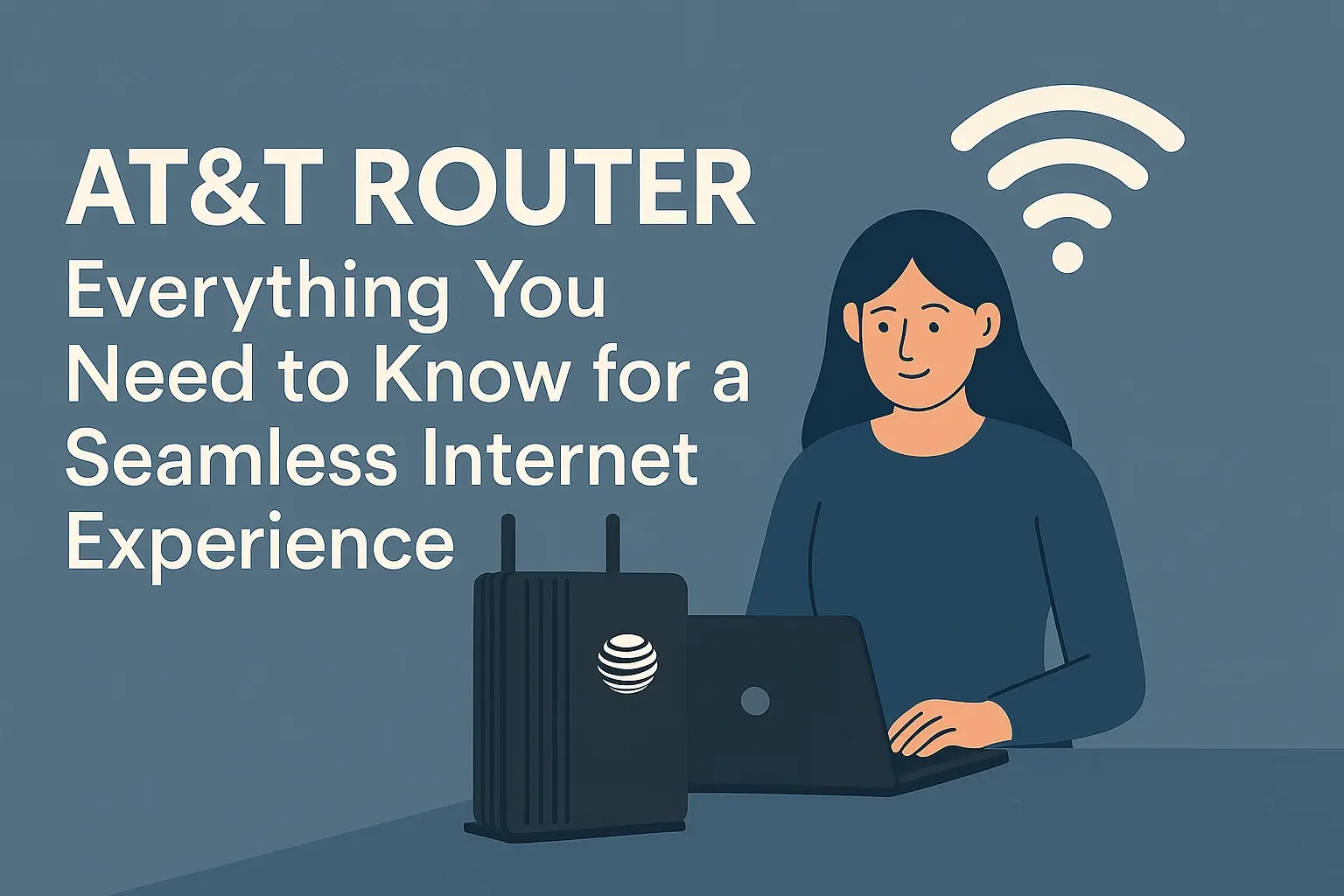
- ONT Installation: The Optical Network Terminal (ONT) is a small device that converts the optical signal from the fiber cable into an electrical signal that your home network equipment can understand. It's typically mounted on a wall.
- Powering the ONT: The ONT requires a power source, so it will be plugged into a nearby electrical outlet.
- Router Connection: The ONT will have Ethernet ports. A standard Ethernet cable is then used to connect the ONT to the homeowner's Wi-Fi router. If the ISP provides the router, they will connect it for you.
The entire inside-the-home installation typically takes 1-3 hours, depending on the complexity of routing the cable and the homeowner's preferences.
Fiber Splicing at the Property Line
For underground drops, or sometimes for aerial drops connecting to a distribution box near the property, a final splice is often required. This involves connecting the main distribution fiber to the smaller fiber cable that runs to the house. This is done using specialized fusion splicers, ensuring a precise and low-loss connection. This process is critical for maintaining signal integrity.
Securing the Cable
All external fiber cables are secured using appropriate clips, ties, or conduits to prevent sagging, damage from wind, or tripping hazards. Internal cables are neatly managed to ensure safety and aesthetics.
Phase 4: Activation and Testing
The physical installation is only part of the process. Before you can enjoy blazing-fast speeds, the network must be activated and rigorously tested to ensure everything is functioning optimally.
Network Activation
This stage involves configuring the network to recognize and provision the new connection for your home:
- Provisioning the ONT: The ISP's network management system is updated to recognize your specific ONT. This process assigns your service level, IP addresses, and other necessary network parameters.
- Establishing the Connection: The ISP remotely activates the fiber link to your ONT, allowing data to flow from their network to your home.
Testing and Quality Assurance
Technicians perform a series of tests to verify the performance and reliability of the new fiber connection:
- Signal Strength Tests: They measure the optical power levels at various points, including the ONT, to ensure the signal is strong and within acceptable parameters.
- Speed Tests: Using specialized testing equipment, technicians perform upload and download speed tests to confirm that you are receiving the speeds advertised in your service plan.
- Latency and Jitter Tests: These tests measure the delay and variation in data transmission, crucial for real-time applications.
- Connectivity Tests: Basic internet connectivity is verified by browsing websites and pinging servers.
- ONT and Router Functionality: They ensure the ONT and your router (if provided by the ISP) are communicating correctly and broadcasting a Wi-Fi signal.
By the end of 2025, ISPs are expected to invest over $100 billion in network upgrades and testing to ensure the quality of fiber deployments.
Customer Handover and Education
Once testing is complete and satisfactory, the technician will:
- Demonstrate Functionality: They will show you that your internet is working and connect a device (like a smartphone or laptop) to your Wi-Fi network.
- Explain Equipment: They will explain the function of the ONT and your router.
- Provide Support Information: You'll receive contact details for customer support should you encounter any issues.
- Discuss Service Terms: They may briefly review your service plan and any associated terms.
This handover is crucial for a positive customer experience and to ensure you can effectively use your new high-speed service.
Troubleshooting Common Issues Post-Installation
While rare, some minor issues might arise:
- No Internet: This could be a provisioning error, a faulty ONT, or a connection issue. A quick call to support can often resolve this.
- Slow Speeds: This might be due to Wi-Fi interference, an overloaded network (too many devices), or a configuration issue.
- Intermittent Connection: This can sometimes be caused by a loose cable, a power issue with the ONT, or external network problems.
Most of these issues are quickly resolved by the ISP's technical support team.
Future Considerations and Maintenance
The installation of fiber optic internet is a significant undertaking, but it's not the end of the ISP's involvement. Ongoing maintenance and future upgrades are essential to ensure the network's longevity and performance.
Network Maintenance
Fiber optic networks, while robust, require periodic maintenance:
- Inspections: Regular visual inspections of aerial cables and ground-level equipment (like splice closures and pedestals) are conducted to identify any signs of damage, wear, or tampering.
- Repair of Damaged Cables: If a fiber cable is damaged (e.g., by falling trees, vehicle accidents, or rodent activity), specialized crews are dispatched to splice or replace the affected section.
- Equipment Upgrades: As technology evolves, ISPs may upgrade components like optical amplifiers, switches, and routers at their points of presence to increase capacity and efficiency.
- Monitoring: Network operations centers (NOCs) continuously monitor the network for performance anomalies, outages, and potential issues using sophisticated diagnostic tools.
Capacity Upgrades and Expansion
The demand for bandwidth is constantly increasing. ISPs must plan for future capacity upgrades:
- Adding More Fibers: If existing fiber cables become saturated, new cables with more fiber strands may be deployed alongside existing ones.
- Upgrading Electronics: Newer, higher-capacity lasers and optical transceivers can be installed at network nodes to transmit data at faster rates over existing fibers.
- Expanding the Network: As neighborhoods grow or new developments emerge, ISPs will extend their fiber footprint to serve these areas.
Technological Advancements
The fiber optic industry is continually innovating:
- Higher Speeds: Research is ongoing to push speeds beyond 10 Gbps, with technologies like 400 Gbps and 1 Tbps Ethernet becoming more prevalent in backbone networks and potentially trickling down to consumers.
- Passive Optical Network (PON) Enhancements: Technologies like XGS-PON (10 Gigabit Symmetrical PON) and NG-PON2 are already being deployed, offering higher symmetrical speeds to homes.
- Smaller, More Efficient Equipment: The trend is towards more compact and energy-efficient network hardware.
By 2026, it's estimated that over 60% of new broadband deployments globally will be fiber-based, highlighting the ongoing commitment to this technology.
Environmental Considerations
While fiber itself is inert, the installation process can have environmental impacts. Responsible ISPs strive to minimize these:
- Minimizing Trenching: Using directional boring and microtrenching reduces soil disruption and landscape damage.
- Restoration: After trenching, areas are carefully restored to their original condition.
- Material Recycling: Efforts are made to recycle old copper cables and installation materials.
The long lifespan and lower energy consumption of fiber networks compared to older technologies also contribute to a more sustainable digital infrastructure over time.
Conclusion
Understanding how fiber internet is installed in a neighborhood reveals a sophisticated, multi-phase process that demands meticulous planning, advanced engineering, and skilled execution. From initial surveys and securing rights-of-way to the physical deployment of cables via aerial or underground methods, and finally, the precise connection and activation at your home, each step is crucial for delivering the unparalleled speeds and reliability of fiber optics. The extensive coordination with local authorities, utility companies, and property owners, coupled with the technical expertise required for splicing and testing, underscores the significant investment and effort involved. As demand for faster, more stable internet continues to grow, the widespread adoption of fiber networks is set to redefine our digital experiences, making this complex installation process a vital foundation for the future of connectivity.