Unlocking the secrets of fiber optic internet involves understanding the intricate process of connecting this high-speed technology directly to your home. This comprehensive guide demystifies the installation, from the initial network build-out to the final connection point inside your residence, ensuring you're informed every step of the way.
Understanding Fiber Optic Technology
Fiber optic internet represents a significant leap forward in data transmission compared to traditional copper-based technologies like DSL or cable. At its core, fiber optics utilize thin strands of glass or plastic to transmit data as pulses of light. This fundamental difference is what enables its unparalleled speed, reliability, and capacity. Unlike electrical signals that degrade over distance and are susceptible to electromagnetic interference, light signals travel through fiber optic cables with minimal loss and are immune to external disruptions. This inherent advantage translates into a superior internet experience for end-users, characterized by symmetrical upload and download speeds, lower latency, and greater bandwidth potential.
The infrastructure required for fiber optic internet is extensive and involves laying specialized cables, often made of silica glass, which are incredibly thin – about the diameter of a human hair. These cables are bundled together within protective conduits, forming what is known as a fiber optic network. The process of building this network is a major undertaking, often requiring significant investment from internet service providers (ISPs) and sometimes involving municipal partnerships. The deployment can occur through various methods, including burying cables underground (underground deployment) or running them overhead on utility poles (aerial deployment). Each method has its own set of advantages and challenges, influencing deployment speed, cost, and aesthetic considerations.
The journey of data from a global network to your home via fiber is a complex yet elegant process. It begins at large data centers and network hubs, where information is converted into light signals. These signals then travel through a vast network of fiber optic cables, spanning continents and oceans, before reaching local distribution points. From these points, smaller fiber optic cables branch out, eventually leading to your neighborhood and, finally, to your individual residence. This end-to-end light-based transmission is the key to the exceptional performance of fiber internet.
The Core Components of a Fiber Optic Network
To fully grasp how fiber connects to your house, it's essential to understand the key components that make up the network:
- Optical Fiber Cables: These are the backbone of the network. Each cable contains multiple thin strands of glass or plastic, each capable of transmitting data. The purity of the glass and the precision of its manufacturing are critical for signal integrity.
- Optical Network Terminals (ONTs): Located at the demarcation point between the ISP's network and your home, the ONT is a crucial device. It converts the optical signals received from the fiber optic cable into electrical signals that your home network devices can understand and use. Think of it as the gateway for fiber internet into your premises.
- Optical Line Terminals (OLTs): Situated at the ISP's central office or a local distribution hub, the OLT manages the fiber optic network and communicates with multiple ONTs. It's the control center for a segment of the fiber network.
- Splice Closures and Connectors: These are used to join different fiber optic cables together or to connect cables to equipment. Precision is paramount to minimize signal loss at these connection points.
- Fiber Distribution Hubs (FDHs): These are cabinets or enclosures that house the fiber optic cables and splitters, allowing a single fiber from the main network to be distributed to multiple homes.
The interplay between these components ensures that light signals are efficiently transmitted, managed, and converted, providing a seamless flow of data from the internet's vast infrastructure directly into your home.
The Fiber Optic Installation Journey: From Street to Your Doorstep
The process of connecting fiber optic internet to your house is a multi-stage endeavor that begins long before a technician arrives at your doorstep. It involves significant planning, infrastructure development, and regulatory approvals. Understanding these initial phases provides crucial context for the final connection. The deployment of fiber networks is a capital-intensive project for ISPs, and the decision to bring fiber to a particular area is driven by market demand, population density, and the competitive landscape. In 2025, the push for ubiquitous high-speed internet continues, with ISPs actively expanding their fiber footprints.
Network Planning and Design
Before any physical work begins, extensive planning and design are undertaken. This phase involves:
- Feasibility Studies: Assessing the technical and economic viability of deploying fiber in a specific geographic area. This includes analyzing existing infrastructure, terrain, and potential customer density.
- Route Planning: Determining the optimal paths for laying fiber optic cables. This involves identifying access points, considering underground utilities, and minimizing disruption to existing infrastructure and communities.
- Permitting and Approvals: Securing necessary permits from local, state, and federal authorities. This can be a lengthy process, involving coordination with various government agencies and utility companies.
Infrastructure Deployment
Once planning is complete, the physical infrastructure begins to take shape. This is the most visible part of the process for communities:
- Main Line Installation: This involves laying the primary fiber optic cables. This can be done through:
- Underground Boring: Using specialized equipment to drill tunnels underground and pull fiber optic conduits. This is often preferred for its aesthetic appeal and protection from weather, but it is more expensive and time-consuming.
- Aerial Deployment: Attaching fiber optic cables to existing utility poles. This is generally faster and less costly than underground installation but can be more susceptible to damage from storms or falling trees.
- Distribution Network Build-out: Once the main fiber lines are in place, smaller distribution cables are run from the main lines to neighborhoods and individual streets. This often involves placing Fiber Distribution Hubs (FDHs) – green cabinets you might see on sidewalks – which house the necessary equipment to split the main fiber line to serve multiple homes.
- Splice Points and Connections: At various points along the route, fiber optic cables are spliced together or connected to equipment. These are highly technical procedures performed by skilled technicians to ensure minimal signal loss.
The timeline for this infrastructure deployment can vary significantly, from a few months in densely populated areas with existing conduit to several years in challenging terrain or for large-scale rural projects. ISPs often communicate their build-out plans through their websites or local outreach programs.
Pre-Installation Checks and Preparations
Before the actual connection to your house can occur, several critical checks and preparations are undertaken to ensure a smooth and successful installation. These steps are vital for both the ISP and the homeowner to avoid potential issues and delays. In 2025, the emphasis on efficiency and customer experience means these checks are often streamlined but remain essential.
Service Availability Verification
The first step for a homeowner is to confirm that fiber optic service is actually available at their address. This is typically done through the ISP's website or by contacting their sales department. They will check their network maps to see if a fiber line has been brought to the property or is planned for the near future.
Key aspects of availability checks:
- Address Lookup: The ISP's system will cross-reference your address against their deployed network infrastructure.
- Future Rollout Plans: If service isn't immediately available, ISPs often provide information on planned expansion areas and estimated timelines.
- Service Tiers: Once availability is confirmed, customers can choose their desired internet speed tier and plan.
Site Survey and Access Assessment
In some cases, particularly for new builds or complex existing properties, a site survey might be conducted. This involves a technician or engineer assessing the best route for the fiber optic cable to enter the house and where the Optical Network Terminal (ONT) will be installed. They will look for:
- Entry Point: The most practical and least disruptive location for the fiber cable to enter the building (e.g., through a wall, conduit, or existing utility opening).
- ONT Location: A suitable indoor location for the ONT, typically near where the internet service will be used most, and with access to power.
- Clear Pathways: Ensuring there are clear paths for running the fiber cable from the entry point to the ONT, minimizing bends and avoiding sharp turns that could damage the fiber.
- Exterior Obstructions: Checking for any landscaping, structures, or other obstructions that might impede the installation of the drop cable from the street to the house.
Homeowner Responsibilities and Preparations
While the ISP handles the external network and the main connection, homeowners can facilitate the process by preparing their property:
- Clear Access: Ensure the area around the exterior of the house where the cable will be run, and the interior location for the ONT, are accessible. This means moving any garden furniture, plants, or stored items that might be in the way.
- Pet Safety: If you have pets, ensure they are secured during the installation process to prevent them from interfering with the technicians or the equipment.
- Decision on ONT Location: Have a clear idea of where you'd like the ONT installed. Common locations include a utility room, garage, or a central area of the home.
- Power Outlet Availability: Confirm that there is a working electrical outlet near the planned ONT location, as the ONT requires power to function.
- Wi-Fi Router Placement: Consider where your Wi-Fi router will be placed. While the ONT provides the internet connection, a router distributes it wirelessly. Ideally, the ONT and router should be centrally located for optimal Wi-Fi coverage.
By completing these pre-installation checks and preparations, homeowners can significantly contribute to a faster, smoother, and more efficient fiber optic installation process.
The On-Site Installation: Connecting Your Home
This is the phase where the magic happens – the actual physical connection of the fiber optic cable to your house. The process is typically carried out by a trained technician from the ISP and involves several distinct steps. In 2025, the focus is on minimizing disruption and ensuring a clean, professional installation.
Step 1: The Drop Cable Installation
This is the crucial step where the fiber optic cable, often referred to as the "drop cable," is run from the nearest distribution point (like an FDH or a pole) to your house. The method used depends on the existing infrastructure:
- Underground Drop: If fiber is already underground in your street, a trench will be dug from the street conduit to your house, or existing conduits will be utilized. The fiber optic cable is then pulled through this conduit. Sometimes, a small, non-invasive boring machine is used to create a path for the conduit.
- Aerial Drop: If fiber is on poles, the technician will attach the drop cable from the pole to a secure point on your house. This often involves a small anchor point on the exterior wall.
The technician will aim for the pre-determined entry point into your home, ensuring the cable is secured and protected to prevent damage. This drop cable is the physical link carrying the light signals from the ISP's network to your premises.
Step 2: Entry into the House
Once the drop cable reaches your house, it needs to be brought inside. The technician will carefully drill a small hole through the exterior wall (if not using an existing entry point) to route the fiber cable indoors. They use specialized tools to ensure the hole is clean and can be sealed properly after the installation to maintain weatherproofing.
The fiber optic cable is very delicate, so technicians are trained to handle it with extreme care, avoiding sharp bends or kinks that could degrade the signal. The hole is typically sealed with caulk or a specialized grommet to prevent water and pests from entering.
Step 3: Installing the Optical Network Terminal (ONT)
Inside your home, the fiber drop cable is connected to the Optical Network Terminal (ONT). The ONT is a small electronic device that acts as the bridge between the fiber optic network and your home's internal network. Its primary function is to convert the light signals from the fiber optic cable into electrical signals that your router and other devices can understand.
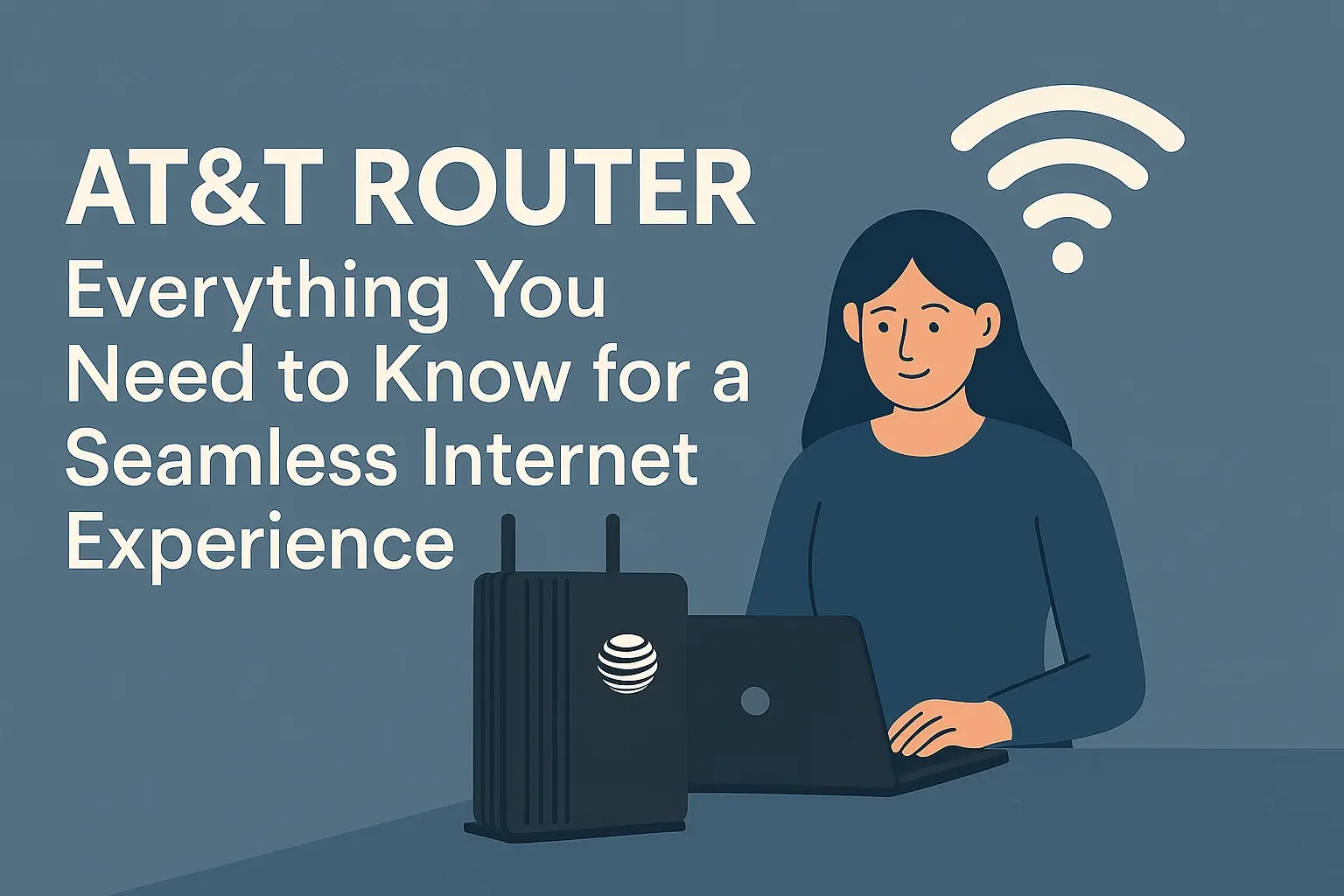
The technician will mount the ONT in the pre-selected location. This is often a wall-mounted unit, and it requires a power source. The fiber optic cable connects directly to the ONT, and then an Ethernet cable typically runs from the ONT to your Wi-Fi router.
Key functions of the ONT:
- Optical-to-Electrical Conversion: The core function, enabling your devices to interpret data.
- Power Requirement: Needs a constant power supply; many ONTs have battery backup options for continued service during power outages.
- Indicator Lights: Provides status information about the connection (e.g., power, optical signal, network link).
Step 4: Connecting Your Router and Testing
After the ONT is installed and powered on, the technician will connect your existing or provided Wi-Fi router to the ONT using an Ethernet cable. This cable carries the internet signal from the ONT to your router, which then broadcasts it wirelessly throughout your home.
The final and crucial step is testing. The technician will:
- Verify ONT Status: Check the indicator lights on the ONT to ensure it has a stable connection to the ISP's network.
- Test Internet Speed: Use online speed test tools to confirm you are receiving the speeds promised by your chosen internet plan. This includes checking both download and upload speeds, which are often symmetrical with fiber.
- Check Connectivity: Ensure that devices connected to your Wi-Fi network can access the internet.
This comprehensive testing ensures that the fiber optic connection is active, stable, and performing optimally before the technician leaves.
Installation Timeframes and Variations
The on-site installation typically takes between 2 to 4 hours, depending on the complexity of the home and the chosen installation route. Some ISPs may offer self-installation kits for certain situations, but professional installation is standard for fiber due to the specialized nature of the equipment and cabling.
Variations to consider:
- Existing Conduit: If your home already has conduit from a previous utility installation, the process can be faster.
- Underground vs. Aerial: Underground drops can sometimes take longer due to digging requirements.
- Home Structure: Older homes or homes with difficult-to-access areas might require more time.
By the end of this stage, your home is physically connected to the fiber optic network, ready to experience the benefits of high-speed internet.
Post-Installation and Optimization
Once the fiber optic cable is connected and the ONT is installed, the journey isn't entirely over. To truly maximize the benefits of your new fiber connection, some post-installation steps and optimization strategies are highly recommended. In 2025, with increasing reliance on home networks for work, entertainment, and smart home devices, optimizing your setup is more important than ever.
Understanding Your Network Setup
It's beneficial to understand how your new fiber connection is configured:
- ONT to Router: The connection from the ONT to your router is typically via an Ethernet cable. The speed of this connection depends on the Ethernet port standard (e.g., Gigabit Ethernet, 2.5GbE, 10GbE). Most ISPs provide a Gigabit Ethernet port on the ONT.
- Router's Role: Your router is responsible for creating your local network, assigning IP addresses to your devices, and managing Wi-Fi. The router's capabilities (Wi-Fi standard, processing power) will influence your overall wireless experience.
- ISP-Provided Equipment: Some ISPs provide a combined modem/router unit (often called a gateway) that includes the ONT functionality. Others provide a separate ONT and expect you to use your own router.
Optimizing Your Wi-Fi Performance
While fiber provides the speed to your home, Wi-Fi is often the bottleneck for wireless devices. To ensure you get the most out of your fiber connection:
- Router Placement: Position your Wi-Fi router in a central, open location in your home, away from obstructions like thick walls, metal objects, or large appliances. Avoid placing it in corners or near windows.
- Wi-Fi Standards: Ensure your router supports modern Wi-Fi standards like Wi-Fi 6 (802.11ax) or Wi-Fi 6E for better performance, capacity, and efficiency, especially with multiple devices.
- Mesh Wi-Fi Systems: For larger homes or those with dead spots, consider a mesh Wi-Fi system. These systems use multiple nodes to create a seamless, strong Wi-Fi signal throughout your entire house.
- Channel Selection: Your router automatically selects Wi-Fi channels, but sometimes manually selecting a less congested channel can improve performance. Consult your router's manual for instructions.
- Firmware Updates: Regularly update your router's firmware. Manufacturers release updates to improve performance, security, and add new features.
Testing Your Speeds Regularly
It's good practice to periodically test your internet speeds to ensure you're consistently getting the performance you pay for. Use reputable speed test websites (e.g., Ookla Speedtest, Fast.com) and conduct tests at different times of the day to account for potential network congestion.
What to look for in speed tests:
- Download Speed: The speed at which you receive data from the internet.
- Upload Speed: The speed at which you send data to the internet. Fiber is known for symmetrical speeds (download = upload).
- Latency (Ping): The time it takes for a data packet to travel from your device to a server and back. Lower latency is crucial for online gaming, video conferencing, and real-time applications.
If you consistently see speeds significantly lower than your plan, it might be time to troubleshoot or contact your ISP.
Considering Wired Connections
For devices that require the absolute highest speeds and lowest latency (e.g., gaming consoles, high-performance workstations, streaming devices), a wired Ethernet connection directly to the router is still the most reliable option. Ensure your router has enough Ethernet ports and consider using Cat 6 or higher Ethernet cables for optimal performance.
Understanding Your Equipment
Familiarize yourself with the lights on your ONT and router. Most devices have indicator lights that show power status, internet connectivity, and Wi-Fi activity. Knowing what these lights mean can help in basic troubleshooting.
By taking these post-installation steps, you can ensure your fiber optic internet connection is not only connected but also performing at its peak, providing a seamless and powerful online experience.
Troubleshooting and Maintenance
While fiber optic connections are generally very reliable, issues can occasionally arise. Understanding basic troubleshooting steps and the importance of maintenance can help you resolve minor problems quickly and ensure the longevity of your connection. In 2025, with more critical services relying on stable internet, proactive maintenance is key.
Common Fiber Optic Issues and Solutions
Here are some common problems and how to address them:
No Internet Connection
- Check ONT Lights: The first step is to examine the indicator lights on your ONT. Look for lights indicating power, optical signal, and network link. Consult your ISP's documentation or website for what the specific light patterns mean. A solid "online" or "link" light usually indicates a good connection to the ISP's network.
- Check Router Connection: Ensure the Ethernet cable between the ONT and your router is securely plugged in at both ends. Try a different Ethernet cable if possible.
- Reboot Equipment: Power cycle both your ONT and your router. Unplug them from the power source, wait for about 30-60 seconds, and then plug them back in. Allow them a few minutes to fully boot up.
- Check for Outages: Visit your ISP's website or use their app to check if there are any reported network outages in your area.
Slow Internet Speeds
- Run Speed Tests: As mentioned in the optimization section, run speed tests from multiple devices and at different times. Compare results to your subscribed plan.
- Check Wi-Fi Signal Strength: If speeds are slow on wireless devices, check your Wi-Fi signal strength. Move closer to the router or consider Wi-Fi extenders/mesh systems.
- Too Many Devices: A large number of devices actively using the internet simultaneously can slow down your connection. Try disconnecting some devices to see if performance improves.
- Router Performance: Older or less powerful routers can become a bottleneck. Ensure your router is capable of handling your fiber speeds and consider upgrading if necessary.
- ISP Throttling: While less common with fiber, check your ISP's terms of service for any data caps or throttling policies.
Intermittent Connectivity (Connection Drops)
- Loose Cables: Ensure all cable connections (fiber to ONT, Ethernet from ONT to router) are secure.
- ONT Power Issues: If your ONT has battery backup, ensure the battery is charged and functioning correctly.
- Environmental Factors: Extreme temperatures or humidity can sometimes affect electronic equipment.
- Physical Damage to Fiber: While rare, the external fiber drop cable could be damaged (e.g., by construction, rodents, or weather). If you suspect physical damage, contact your ISP immediately.
Maintenance Best Practices
Fiber optic connections require minimal user maintenance, but a few practices can help ensure optimal performance and longevity:
- Keep Equipment Clean: Dust and debris can accumulate on ONTs and routers, potentially affecting ventilation and performance. Gently clean them with a dry, soft cloth.
- Ensure Proper Ventilation: Make sure your ONT and router have adequate airflow. Avoid covering them with blankets or placing them in enclosed spaces that can trap heat.
- Protect the Fiber Cable: While the drop cable is designed to be durable, avoid placing heavy objects on it, kinking it, or exposing it to sharp objects.
- Regularly Update Router Firmware: This is crucial for security and performance. Check your router manufacturer's website or your ISP's portal for updates.
- Be Cautious with DIY Changes: Avoid disconnecting or tampering with the fiber optic cable connected to the ONT, as this can easily cause damage and require a technician visit.
When to Contact Your ISP
You should contact your Internet Service Provider if:
- You suspect physical damage to the external fiber optic cable.
- The ONT lights indicate a persistent connection issue that you cannot resolve through rebooting or checking cables.
- You are consistently experiencing speeds significantly below your subscribed plan after performing all basic troubleshooting steps.
- You are experiencing frequent, unexplained disconnections.
Your ISP has the tools and expertise to diagnose network-level issues and dispatch technicians if necessary. By understanding these troubleshooting and maintenance tips, you can better manage your fiber optic connection and enjoy a stable, high-speed internet experience.
Comparing Fiber to Other Internet Technologies
To truly appreciate how fiber optic internet connects to your house and its advantages, it's helpful to compare it with other prevalent internet technologies. Each technology has its own method of data transmission, resulting in distinct performance characteristics. In 2025, fiber continues to pull ahead as the gold standard for speed and reliability.
Fiber Optic Internet
How it works: Transmits data as pulses of light through thin strands of glass or plastic.
Connection to house: A thin fiber optic cable is run from the street to your home, terminating at an Optical Network Terminal (ONT).
Key Advantages:
- Speed: Offers the highest available speeds, often symmetrical (upload and download speeds are equal). Speeds of 1 Gbps, 2 Gbps, and even 10 Gbps are common.
- Reliability: Immune to electromagnetic interference and signal degradation over distance, leading to fewer outages and consistent performance.
- Low Latency: Crucial for real-time applications like online gaming, video conferencing, and financial trading.
- Bandwidth Capacity: Can handle a massive amount of data, making it ideal for multiple users and devices simultaneously.
- Future-Proofing: The infrastructure can support significantly higher speeds as technology evolves.
Key Disadvantages:
- Availability: Not yet available in all areas, especially rural locations, due to high deployment costs.
- Cost: Installation can sometimes be more expensive, and monthly plans might be higher than basic DSL or cable, though prices are becoming more competitive.
Cable Internet
How it works: Uses coaxial cables (the same type used for cable TV) to transmit data using electrical signals. Data is shared among users in a neighborhood, meaning speeds can fluctuate during peak usage times.
Connection to house: A coaxial cable is run from a nearby street cabinet or pole to your home.
Key Advantages:
- Availability: Widely available in most urban and suburban areas due to existing cable TV infrastructure.
- Speed: Offers good download speeds, often exceeding DSL, with plans commonly ranging from 100 Mbps to over 1 Gbps.
- Cost: Generally more affordable than fiber for comparable speeds.
Key Disadvantages:
- Asymmetrical Speeds: Upload speeds are significantly slower than download speeds.
- Shared Bandwidth: Performance can degrade during peak hours when many users in the neighborhood are online.
- Susceptible to Interference: Electrical signals can be affected by interference and signal degradation over distance.
DSL (Digital Subscriber Line) Internet
How it works: Uses existing copper telephone lines to transmit data using electrical signals. It leverages frequencies on the phone line that are not used for voice calls.
Connection to house: A standard telephone line is used to connect to the local telephone exchange.
Key Advantages:
- Availability: Very widely available, as most homes have phone lines.
- Cost: Typically the most affordable option.
- Reliability: Generally stable, especially for lower speeds.
Key Disadvantages:
- Speed: The slowest of the three technologies, with speeds typically ranging from 5 Mbps to 100 Mbps, heavily dependent on distance from the exchange.
- Asymmetrical Speeds: Upload speeds are much lower than download speeds.
- Distance Sensitive: Performance degrades significantly the further you are from the telephone exchange.
5G Home Internet / Fixed Wireless
How it works: Uses cellular network technology to provide internet to a fixed location (your home) via a wireless receiver/router. 5G home internet utilizes 5G cellular bands, while fixed wireless uses other radio frequencies.
Connection to house: A wireless receiver/modem is installed inside or outside your home, connecting wirelessly to a nearby cellular tower or fixed wireless antenna.
Key Advantages:
- Faster Deployment: Can be deployed much faster than fiber, especially in areas where trenching is difficult or expensive.
- Competitive Speeds: Offers speeds that can rival cable and even some fiber plans, especially with 5G.
- No Physical Wires: Avoids the need for drilling or trenching for installation.
Key Disadvantages:
- Availability: Dependent on proximity to 5G towers or fixed wireless antennas.
- Performance Variability: Speeds and latency can fluctuate based on network congestion, weather conditions, and signal strength.
- Data Caps: Some providers may impose data caps or throttling.
- Line of Sight: Fixed wireless often requires a clear line of sight to the tower.
In summary, while cable and DSL have served us well, fiber optic internet offers a superior experience in terms of speed, reliability, and future potential. The process of connecting fiber to your house, though complex, lays the groundwork for the most advanced internet service available today.
The Future of Fiber Connectivity
The journey of fiber optic internet doesn't end with its connection to your home; it's a constantly evolving technology poised to shape the future of connectivity. As we look towards 2025 and beyond, several trends are emerging that will further enhance and expand the reach and capabilities of fiber optics.
Increased Speeds and Bandwidth
The demand for bandwidth is insatiable. As applications become more data-intensive – think immersive virtual reality, high-fidelity cloud gaming, advanced AI, and the ever-expanding Internet of Things (IoT) – current gigabit speeds will soon be considered standard, not premium. ISPs are already testing and deploying multi-gigabit services (2 Gbps, 5 Gbps, 10 Gbps, and even higher). This evolution is driven by advancements in optical technology, such as:
- Higher-order modulation schemes: Allowing more data to be encoded onto each light pulse.
- Advanced optical components: More efficient lasers and detectors.
- Passive Optical Network (PON) evolution: Technologies like NG-PON2 and 25G/50G PON are pushing the boundaries of what's possible over a single fiber strand.
Ubiquitous Fiber Deployment
The "digital divide" remains a significant concern, and bridging it is a major focus for governments and ISPs. Efforts are underway to expand fiber networks into underserved rural and remote areas. This involves:
- Government Funding and Subsidies: Initiatives like the BEAD (Broadband Equity, Access, and Deployment) program in the United States are channeling significant funds to build out fiber infrastructure in areas lacking adequate service.
- Public-Private Partnerships: Collaborations between municipalities and ISPs are accelerating deployment by sharing costs and leveraging existing infrastructure.
- Innovative Deployment Techniques: Exploring methods like micro-trenching and aerial deployment on existing poles are making it more cost-effective to reach difficult-to-serve locations.
By 2025, we expect to see a noticeable increase in fiber availability in areas previously considered uneconomical to connect.
Integration with Emerging Technologies
Fiber optics will be the essential backbone for many future technologies:
- 5G and Beyond: The densification of 5G networks requires a massive number of fiber optic connections to cell towers (fronthaul and backhaul). As 6G and subsequent mobile technologies emerge, the need for high-capacity fiber will only grow.
- Smart Cities: The infrastructure for smart cities – including connected vehicles, intelligent traffic management, public safety systems, and environmental monitoring – will rely heavily on low-latency, high-bandwidth fiber networks.
- Edge Computing: As data processing moves closer to the source (edge computing), fiber will be critical for connecting these distributed computing resources to data centers and end-users.
- Virtual and Augmented Reality (VR/AR): Truly immersive and responsive VR/AR experiences demand extremely low latency and high bandwidth, capabilities that only fiber can reliably provide.
Enhanced Security and Resilience
The inherent properties of fiber optics – immunity to electromagnetic interference and the ability to detect physical tampering – make it a secure and resilient medium. Future developments will likely focus on:
- Quantum Communication: Research into quantum key distribution (QKD) over fiber optic networks promises unprecedented levels of security for sensitive data transmission.
- Self-Healing Networks: Advanced network management systems will enable fiber networks to automatically reroute traffic around faults, further enhancing resilience.
The ongoing evolution of fiber optic technology and its strategic deployment are paving the way for a hyper-connected future. Understanding how fiber connects to your house is just the first step in appreciating the transformative power of this essential technology.
In conclusion, connecting fiber optic internet to your house is a sophisticated process that begins with extensive network planning and infrastructure deployment, followed by precise on-site installation and diligent post-installation optimization. The journey from the ISP's network to your home involves specialized cables, essential conversion devices like the ONT, and careful handling to ensure optimal performance. By understanding each stage, from the initial drop cable installation to the final testing, homeowners can better appreciate the technology powering their high-speed internet. In 2025, as fiber availability expands and speeds continue to climb, investing in this robust infrastructure is crucial for future-proofing your home and embracing the full potential of the digital world. We recommend verifying service availability in your area and consulting with your chosen ISP to understand their specific installation process and requirements.