Struggling with your Cox Wi-Fi security? This comprehensive guide will show you exactly how to change your Cox Wi-Fi password, step-by-step. We cover all methods, from the easiest online portal to using your modem's interface, ensuring you can secure your network quickly and effectively.
Understanding Your Cox Wi-Fi Network
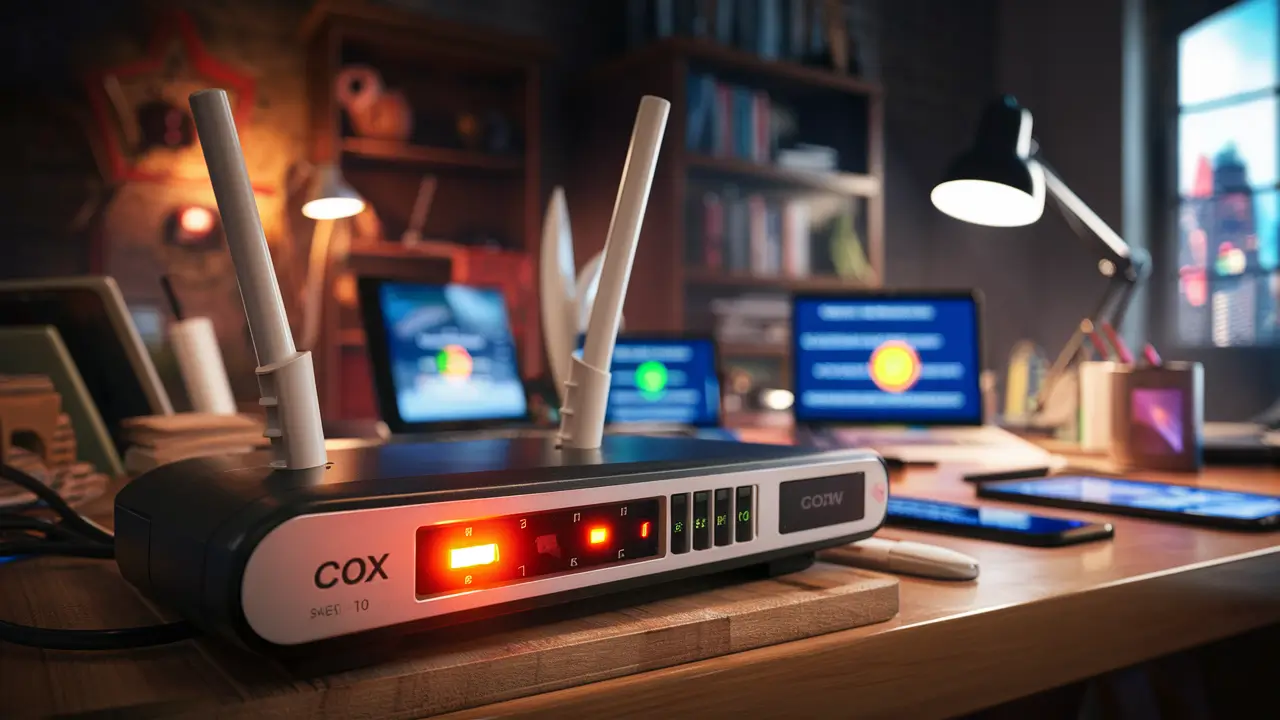
Cox Communications is a major internet service provider (ISP) in the United States, offering a range of internet, phone, and television services. When you subscribe to Cox internet, you typically receive a modem or a modem/router combo unit. This device is the gateway to your home network, broadcasting your Wi-Fi signal. The Wi-Fi password, often referred to as the WPA2/WPA3 key or network security key, is what protects this signal from unauthorized access. Understanding this basic setup is the first step to effectively managing your network security.
Your Cox internet service relies on a modem to translate the signal from Cox's network into a format your devices can use. Many Cox customers opt for a combination modem and router unit, which handles both the internet connection and the wireless network. The router component is responsible for creating your Wi-Fi network and assigning IP addresses to connected devices. The password you set for your Wi-Fi network is crucial for ensuring that only authorized users can connect to your home internet. In 2025, with the increasing prevalence of smart home devices and the constant threat of cyber intrusions, maintaining robust Wi-Fi security is more important than ever.
Cox offers various equipment options, including their own branded gateways and support for customer-owned modems. Regardless of the specific hardware, the principles of changing your Wi-Fi password remain largely consistent. The primary goal is to access the administrative settings of your router or modem and update the network security key. This prevents anyone without the new password from connecting to your network, safeguarding your internet bandwidth and protecting your personal data from potential interception. The ease with which you can change this password often depends on the method you choose and your familiarity with network settings.
As of 2025, the average household in the US has over 15 connected devices, ranging from smartphones and laptops to smart TVs, thermostats, and security cameras. Each of these devices represents a potential entry point for malicious actors if your Wi-Fi network is not adequately secured. A weak or compromised Wi-Fi password can lead to a host of problems, including:
- Slowed Internet Speeds: Unauthorized users consuming your bandwidth.
- Data Theft: Potential interception of sensitive information transmitted over your network.
- Malware Distribution: Your network being used to spread viruses or engage in other illicit activities.
- Identity Theft: Compromised personal information leading to financial or identity fraud.
Therefore, knowing how to change your Cox Wi-Fi password is not just a matter of convenience but a critical security measure for your digital life.
Why You Should Change Your Cox Wi-Fi Password
The default Wi-Fi password provided by your ISP, including Cox, is often easily discoverable or can be found through brute-force attacks. This is a significant security risk. Regularly changing your password, especially if you suspect unauthorized access or have shared it with many people, is a fundamental security practice. In 2025, with evolving cyber threats, proactive security measures are paramount. A strong, unique password deters casual snooping and makes it much harder for sophisticated attackers to gain access. Moreover, if you've recently moved or had a Cox technician visit, it's wise to reset your password to ensure no unauthorized access has occurred.
The default credentials assigned to your Cox modem/router are often printed on a sticker on the device itself. While convenient for initial setup, this makes them highly vulnerable. Anyone with physical access to your modem, or even just knowledge of its model, can potentially find these default credentials online. This is a common oversight that leaves many home networks exposed. Think of it like leaving your house key under the doormat – it's an open invitation for trouble.
Beyond the initial security lapse of default passwords, there are several other compelling reasons to change your Cox Wi-Fi password:
- Preventing Unauthorized Access: This is the most obvious reason. If your password is weak or has been compromised, strangers could be using your internet, slowing it down, and potentially accessing your devices.
- Protecting Your Devices: A compromised network can be a gateway for malware and viruses to infect your computers, smartphones, and smart home devices.
- Securing Sensitive Data: Your online banking, personal emails, and other sensitive information are transmitted over your Wi-Fi. A secure network helps keep this data private.
- Maintaining Internet Speed: When others use your Wi-Fi without permission, it consumes your bandwidth, leading to slower speeds for your own devices.
- Guest Access Management: If you frequently have guests, you might have shared your password. Changing it regularly ensures that old passwords aren't lingering and accessible by former visitors. You can also set up a separate guest network for visitors, keeping your main network more secure.
- Compliance with Best Practices: Cybersecurity experts universally recommend changing default passwords and using strong, unique passwords for all online accounts, including your Wi-Fi.
- After a Technician Visit: While Cox technicians are professionals, it's a good security habit to change your password after any service visit to your home, just in case.
- Moving to a New Location: When you move, it's essential to secure your new network from scratch.
The cybersecurity landscape in 2025 is more complex than ever. The rise of the Internet of Things (IoT) means more devices are connected to your network, each with its own potential vulnerabilities. A strong, regularly updated Wi-Fi password is your first line of defense against a wide array of online threats. It's a simple yet incredibly effective step in protecting your digital footprint.
Preparing to Change Your Cox Wi-Fi Password
Before you begin the process of changing your Cox Wi-Fi password, there are a few essential pieces of information and tools you'll need. Having these ready will make the process smooth and efficient. You'll need your Cox account credentials, your modem's IP address, and potentially the username and password for accessing your modem's administrative interface. It's also a good idea to have a pen and paper or a secure digital note-taking app handy to record your new password.
Gathering the necessary information upfront can save you a significant amount of time and frustration. Here's a checklist of what you should have prepared:
- Cox Account Login Credentials: You will likely need your Cox username and password to access your account online. This is the same information you use to log into the Cox website for billing and service management. If you've forgotten these, you'll need to go through Cox's account recovery process first. You can usually find this information on your monthly bill or by logging into the Cox website and navigating to your account settings.
- Modem's IP Address: This is the gateway address for your home network. For most Cox setups, this is typically
192.168.0.1or192.168.1.1. You can often find this printed on a sticker on your modem/router, or you can determine it by checking your computer's network settings. - Modem's Administrative Username and Password: This is separate from your Cox account login. This is the username and password required to log into the modem's internal settings interface. These are often also printed on the modem itself, typically alongside the Wi-Fi network name (SSID) and default password. Common default usernames include "admin," "user," or sometimes your ISP's name. The default password can vary widely, but common ones include "password," "admin," or a combination of letters and numbers. If you've changed these before and forgotten them, you may need to reset your modem to its factory defaults, which will revert the password back to its original setting (but also erase all other custom settings).
- A Device Connected to Your Network: You'll need a computer, smartphone, or tablet that is currently connected to your Cox Wi-Fi network to access the modem's interface or the Cox online portal. A wired Ethernet connection is often more stable for making these changes.
- Pen and Paper or Secure Digital Note: Once you've chosen a new, strong password, you'll need to record it somewhere safe. Avoid writing it down where it can be easily found. A password manager is an excellent tool for storing Wi-Fi passwords securely.
Finding Your Modem's IP Address and Login Credentials:
If you're unsure about your modem's IP address or login credentials, here's how to find them:
- Check the Modem: Look for a sticker on the bottom or back of your Cox modem/router. It usually contains the Wi-Fi network name (SSID), the default Wi-Fi password, the modem's IP address (often labeled as "Gateway Address" or "LAN IP"), and the administrative login credentials.
- On Windows:
- Open the Command Prompt (search for "cmd").
- Type
ipconfigand press Enter. - Look for the "Default Gateway" under your active network adapter (usually Wi-Fi or Ethernet). This is your modem's IP address.
- On macOS:
- Go to System Preferences > Network.
- Select your active network connection (Wi-Fi or Ethernet).
- Click "Advanced..." then go to the "TCP/IP" tab.
- The "Router" address is your modem's IP address.
- On Mobile Devices:
- Go to your Wi-Fi settings.
- Tap on your connected Wi-Fi network.
- Look for an option like "Router," "Gateway," or "IP Address." The router/gateway address is what you need.
If you cannot find the administrative username and password for your modem, and you haven't changed them before, you might need to perform a factory reset on your modem. This will revert all settings, including the Wi-Fi password, back to their defaults. Be aware that this will disconnect all your devices, and you'll need to reconfigure any custom settings you may have made.
Method 1: Changing Your Password via the Cox Online Portal
The most straightforward method for changing your Cox Wi-Fi password is by using the Cox Communications online portal. This method is designed for ease of use and requires minimal technical knowledge. It allows you to manage various aspects of your Cox service, including your Wi-Fi settings, directly from your web browser. This is generally the recommended approach for most users as it's user-friendly and directly supported by Cox.
Here's a step-by-step guide to changing your Wi-Fi password using the Cox online portal:
- Access the Cox Website: Open a web browser on a device connected to your Cox network (preferably via Ethernet for stability, but Wi-Fi is acceptable). Navigate to the official Cox Communications website: www.cox.com.
- Log In to Your Account: Click on the "Sign In" or "My Account" button, usually found in the top right corner of the homepage. Enter your Cox username and password. If you don't have an account or have forgotten your credentials, you'll need to use the "Forgot Username" or "Forgot Password" links to recover them.
- Navigate to Internet or Wi-Fi Settings: Once logged in, you'll be directed to your account dashboard. Look for a section related to your internet service, often labeled "Internet," "My Services," or "My Wi-Fi." Click on this section.
- Find Wi-Fi Network Settings: Within the internet or Wi-Fi section, you should see options to manage your network. Look for a link or button that says "Manage Wi-Fi," "Wi-Fi Settings," "Network Name (SSID) and Password," or something similar.
- Locate the Password Field: You will likely see your current Wi-Fi network name (SSID) displayed. Below or next to it, you should find a field for the Wi-Fi password (often labeled "Password," "Passphrase," or "Security Key").
- Enter Your New Password: Click on the password field. You may need to click an "Edit" or "Change" button first. Enter your desired new Wi-Fi password. Follow the on-screen prompts for password requirements (e.g., minimum length, use of special characters).
- Save Your Changes: After entering your new password, look for a "Save," "Apply," or "Update" button. Click this button to confirm your changes.
- Reconnect Your Devices: Your Wi-Fi network will likely restart or briefly disconnect. You will need to reconnect all your devices (laptops, smartphones, tablets, smart TVs, etc.) to the Wi-Fi network using your new password. For devices that automatically connect, you may need to "forget" the network and then reconnect with the new password.
Tips for Using the Cox Portal:
- Browser Compatibility: Ensure you are using a modern, updated web browser (like Chrome, Firefox, Safari, or Edge) for the best experience.
- Mobile App: Cox may also offer a mobile app (e.g., the Cox App) that allows you to manage your Wi-Fi settings. Check your app store for availability and features.
- Security Prompts: Cox may require you to re-authenticate or confirm your identity at various stages for security purposes.
- Network Name (SSID): While you're in the settings, you can also change your Wi-Fi network name (SSID) if you wish. Choose a name that is unique and not easily identifiable with your personal information.
This method is generally the most user-friendly and recommended for most Cox customers. It leverages Cox's own interface, ensuring compatibility and providing direct support if issues arise. The process is typically very quick, often taking just a few minutes to complete.
Method 2: Changing Your Password via Your Modem's Interface
If you prefer direct control over your modem's settings or if the Cox online portal is not functioning as expected, you can change your Wi-Fi password by accessing your modem's administrative interface directly through your web browser. This method involves logging into your modem's internal settings page using its IP address. This approach gives you more granular control over your network settings and is a universal method for most routers and modems, regardless of the ISP.
Here's a step-by-step guide to changing your Wi-Fi password by accessing your modem's interface:
- Connect to Your Network: Ensure your computer or device is connected to your Cox Wi-Fi network. A wired Ethernet connection is recommended for stability during this process.
- Find Your Modem's IP Address: As detailed in the "Preparing" section, find your modem's IP address. This is usually
192.168.0.1or192.168.1.1. - Open a Web Browser: Launch your preferred web browser (Chrome, Firefox, Safari, Edge, etc.).
- Enter the IP Address: In the browser's address bar, type the modem's IP address and press Enter. For example, type
http://192.168.0.1orhttp://192.168.1.1. - Log In to the Modem: You will be prompted to enter a username and password. Use the administrative login credentials for your modem. These are often found on a sticker on the modem itself, or they might be default credentials like "admin" for the username and "password" or "admin" for the password. If you've changed these previously and forgotten them, you may need to reset your modem to factory defaults.
- Navigate to Wireless Settings: Once logged in, you'll see the modem's configuration interface. Look for a section related to "Wireless," "Wi-Fi," "WLAN," or "Network Settings."
- Locate Security Settings: Within the wireless settings, find the "Security," "Security Settings," or "WPA/WPA2/WPA3 Settings" section.
- Change the Wi-Fi Password: You will see fields for your Wi-Fi network name (SSID) and the Wi-Fi password (often labeled "Pre-Shared Key," "Passphrase," or "Password"). Click on the password field and enter your new, strong password. Ensure you are using the latest security protocol available (WPA2 or WPA3 if supported).
- Save or Apply Changes: After entering your new password, look for a "Save," "Apply," or "OK" button. Click it to save your changes. The modem may restart or briefly lose its connection.
- Reconnect Your Devices: All your devices will be disconnected from the Wi-Fi network. You will need to reconnect them one by one using the new password you just set. For devices that automatically connect, you might need to go into their Wi-Fi settings, select your network, and choose "Forget Network" before reconnecting with the new password.
Important Considerations for Modem Interface Method:
- Default Credentials: If you've never changed your modem's administrative password and can't find it, you might need to perform a factory reset. This involves pressing a small reset button on the modem (usually with a paperclip) for about 10-30 seconds. Warning: A factory reset will erase ALL custom settings on your modem, including your Wi-Fi name and password, reverting them to their original defaults. You will then need to reconfigure your network.
- Firmware Updates: Ensure your modem's firmware is up to date. Outdated firmware can sometimes cause issues or security vulnerabilities. Many modems have an option to check for and install firmware updates within their interface.
- Security Protocol: When setting your new password, choose the most secure protocol available. WPA2-PSK (AES) is the minimum standard, and WPA3 is even more secure if your devices support it. Avoid older protocols like WEP or WPA, as they are easily compromised.
- Network Name (SSID): You can also change your Wi-Fi network name (SSID) in this interface. Choose a unique name that doesn't reveal personal information.
This method offers more control but requires a bit more technical comfort. It's a valuable skill to know, especially if you manage your own network equipment or have a router that isn't directly managed by Cox.
Cox-Provided Modems vs. Customer-Owned Modems
The process of changing your Wi-Fi password can vary slightly depending on whether you are using a modem/router gateway provided by Cox or your own purchased equipment. Cox typically provides gateways that are pre-configured for their network, and their online portal is designed to interact seamlessly with these devices. For customer-owned modems and routers, the primary method for changing the password will almost always be through the modem's administrative interface.
Cox-Provided Gateways:
- Ease of Use: Cox gateways are generally designed for simplicity. The Cox online portal (Method 1) is the primary and often easiest way to manage settings like your Wi-Fi password.
- Remote Management: Cox can often remotely manage certain aspects of their provided equipment, which can be helpful for troubleshooting.
- Limited Customization: While convenient, Cox gateways may offer fewer advanced customization options compared to third-party routers.
- Default Access: The administrative login for Cox gateways is usually printed on the device itself. If you've lost it, Cox support can often assist, or a factory reset will restore it.
Customer-Owned Modems/Routers:
- Full Control: You have complete control over your device's settings, including advanced configurations.
- Primary Method: Method 2 (Modem Interface) is the standard way to change Wi-Fi passwords for your own equipment. You'll need to know your router's IP address and login credentials.
- Compatibility: Ensure your customer-owned modem is compatible with Cox's network (check Cox's approved modem list).
- Manufacturer Support: If you encounter issues with your own equipment, you'll typically need to contact the manufacturer for support, not Cox.
Regardless of your equipment type, the core principles of accessing network settings and updating the security key remain the same. The key difference lies in the interface you use to make those changes.
Troubleshooting Common Issues
While changing your Cox Wi-Fi password is usually a straightforward process, you might encounter a few common issues. Knowing how to address these can save you time and frustration. Common problems include being unable to log into the Cox portal, forgetting modem login credentials, or devices not reconnecting after the password change.
Here are some troubleshooting tips for common scenarios:
| Issue | Potential Cause | Solution |
|---|---|---|
| Cannot Log In to Cox Portal | Incorrect username/password, browser cache, temporary Cox website issue. | Verify your Cox account credentials. Clear your browser's cache and cookies. Try a different browser or device. Check Cox's service status page for outages. Contact Cox support if issues persist. |
| Cannot Access Modem Interface (e.g., 192.168.0.1) | Incorrect IP address, device not connected to the network, modem is offline, firewall blocking access. | Double-check the modem's IP address. Ensure your device is connected to the correct Wi-Fi network or via Ethernet. Power cycle your modem and router. Temporarily disable your computer's firewall to test. Ensure you are using http:// before the IP address. |
| Forgot Modem Admin Username/Password | Never changed from default, changed and forgotten. | Look for credentials on the modem sticker. Search online for default credentials for your specific modem model. If all else fails, perform a factory reset on the modem (this will erase all settings). |
| Devices Not Reconnecting After Password Change | Incorrect new password entered, device needs to forget and re-add network, Wi-Fi protocol mismatch. | Carefully re-enter the new password, paying attention to case sensitivity. On each device, go to Wi-Fi settings, "Forget Network," and then reconnect. Ensure devices support the WPA2/WPA3 protocol you've set. Restart your modem and router. |
| Wi-Fi Signal is Weak or Unstable | Modem placement, interference, outdated firmware, too many devices. | Relocate your modem to a central, open location away from obstructions and electronics. Update modem firmware. Consider a Wi-Fi extender or mesh system if your home is large. Reduce the number of simultaneously active devices if possible. |
| Internet is Slow After Password Change | Unauthorized users connected, background updates on devices, ISP issue. | Verify your connected devices list in your modem's interface to ensure no unknown devices are present. Check your internet speed directly via an Ethernet connection. Contact Cox if the issue persists and is not related to your network configuration. |
Factory Resetting Your Modem:
A factory reset is a last resort, but it can resolve many persistent issues. It reverts your modem to its original settings, including the default Wi-Fi name and password. To perform a factory reset:
- Locate the reset button on your modem. It's usually a small, recessed button that requires a paperclip or a similar pointed object to press.
- With the modem powered on, press and hold the reset button for approximately 10-30 seconds. The exact duration may vary by model.
- The modem's lights will likely flash, indicating it's restarting and resetting.
- Once the modem has fully rebooted, it will be back to its factory default settings. You will need to reconnect using the default Wi-Fi name and password found on the modem's sticker and then reconfigure your network settings, including setting a new Wi-Fi password.
If you continue to experience problems, do not hesitate to contact Cox Communications customer support. They can often diagnose issues with your service or equipment remotely and provide specific guidance for your situation.
Best Practices for Strong Wi-Fi Passwords
Creating a strong, secure Wi-Fi password is one of the most critical steps in protecting your home network. A weak password is an open invitation to hackers. In 2025, with the increasing sophistication of cyber threats, adhering to best practices for password creation and management is non-negotiable. A strong password should be difficult for both humans and computers to guess.
Here are the key best practices for creating and managing your Cox Wi-Fi password:
- Length is Key: Aim for a password that is at least 12-15 characters long. Longer passwords are exponentially harder to crack.
- Mix Character Types: Use a combination of uppercase letters, lowercase letters, numbers, and symbols (e.g., !, @, #, $, %, ^, &, *). The more variety, the stronger the password.
- Avoid Personal Information: Never use easily guessable information like your name, address, phone number, birthdate, pet's name, or common words found in a dictionary.
- Don't Use Sequential or Repeated Characters: Avoid patterns like "12345678" or "abcdefgh" or "aaaaaaa."
- Use a Passphrase Method: A good technique is to take a sentence or phrase and modify it. For example, "My dog loves to chase squirrels in the park!" could become "MdLtCsItP!2025." This is memorable for you but very difficult for others to guess.
- Change Default Passwords Immediately: As discussed, never use the default password provided by Cox or your modem manufacturer. Change it as soon as you set up your service.
- Regularly Update Your Password: While not as critical as having a strong password, it's a good practice to change your Wi-Fi password every 6-12 months, especially if you've shared it with many people or suspect a security breach.
- Securely Store Your Password: Write it down and store it in a secure location (e.g., a locked safe), or preferably, use a reputable password manager. Do not store it in plain text on your computer or phone.
- Enable WPA3 Security (if available): If your modem and devices support it, use WPA3 encryption. It offers significantly enhanced security over WPA2. If WPA3 is not an option, use WPA2-PSK (AES). Avoid WEP and WPA.
- Consider a Guest Network: Many routers allow you to create a separate guest Wi-Fi network. This is ideal for visitors, as it provides them internet access without giving them access to your main network and devices. Use a different, perhaps simpler, password for your guest network.
- Enable Network Security Monitoring: Some advanced routers and Cox gateways offer features to monitor your network for suspicious activity. Keep an eye on these alerts.
Password Strength Checkers:
You can use online password strength checkers to test how secure your chosen password is. These tools will give you an estimate of how long it would take a computer to crack your password. Remember, even if a tool says your password is "strong," it's still best to follow all the best practices mentioned above.
By implementing these best practices, you significantly enhance the security of your Cox Wi-Fi network, protecting your data and your devices from potential threats. In the interconnected digital world of 2025, robust security habits are essential.
Conclusion: Securing Your Cox Wi-Fi
Changing your Cox Wi-Fi password is a fundamental yet powerful step in safeguarding your home network and personal data. Whether you choose the convenience of the Cox online portal or the direct control of your modem's interface, the process is designed to be accessible. By following the detailed steps provided, you can effectively update your network's security key, preventing unauthorized access and ensuring a more secure online experience. Remember to always opt for strong, unique passwords and consider implementing a guest network for visitors. Proactive security measures, like regularly changing your Wi-Fi password and adhering to best practices, are crucial in today's evolving digital landscape. Don't delay in securing your Cox Wi-Fi – your digital peace of mind depends on it.