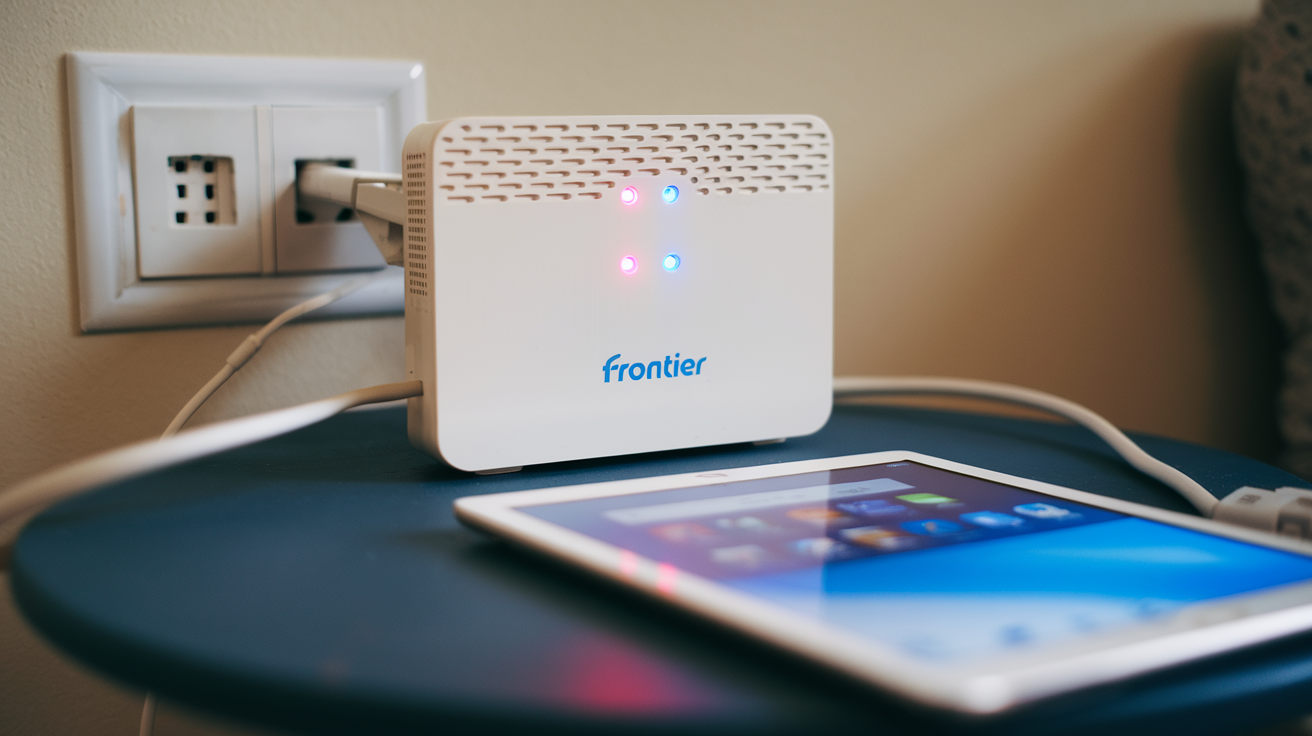
Unlock high-speed internet access without breaking the bank. This comprehensive guide explores the Affordable Connectivity Program (ACP), detailing how eligible households can secure reliable, fast internet service and bridge the digital divide. Discover your path to affordable connectivity today.
What is the Affordable Connectivity Program (ACP)?
The Affordable Connectivity Program (ACP) represents a significant federal initiative designed to make high-speed internet access more attainable for low-income households across the United States. Launched as a successor to the Emergency Broadband Benefit (EBB) program, the ACP aims to provide a lasting solution to the digital divide, ensuring that more Americans can participate fully in education, employment, healthcare, and civic life online. This program offers a monthly discount on internet service and can also provide a one-time discount on a connected device, such as a laptop, desktop computer, or tablet, from participating providers.
As of 2025-26, the ACP continues to be a cornerstone of digital equity efforts. The program is administered by the Federal Communications Commission (FCC) and funded through the Universal Service Fund. Its primary goal is to reduce the financial burden associated with broadband subscriptions, which can be a significant barrier for many families. By subsidizing the cost of internet service, the ACP empowers households to connect to reliable, high-speed internet, enabling them to access essential online resources, pursue educational opportunities, work remotely, and stay connected with loved ones. The program is not just about providing internet; it's about fostering digital inclusion and economic opportunity in an increasingly connected world.
Program Overview
The ACP provides a discount of up to $30 per month towards internet service for eligible households. For households on Tribal lands, this discount can be up to $75 per month. In addition to the monthly service discount, eligible households can receive a one-time discount of up to $100 for a laptop, desktop computer, or tablet purchased through a participating provider. This dual benefit—discounted service and a subsidized device—aims to equip households with the tools and connectivity necessary to thrive in the digital age. The program is designed to be straightforward for applicants, with clear eligibility requirements and a relatively simple application process. Participating internet service providers (ISPs) are responsible for applying the discount to eligible customers' bills and can receive reimbursement from the Universal Service Administrative Company (USAC), which manages the program's operations.
Funding and Administration
The ACP is funded by the Universal Service Fund (USF), a federal program established by the Telecommunications Act of 1996. The USF collects contributions from telecommunications companies, which are then used to support various universal service programs, including the ACP. The Federal Communications Commission (FCC) oversees the program's policy and regulatory framework, while the Universal Service Administrative Company (USAC) manages the day-to-day operations, including processing applications, verifying eligibility, and disbursing funds to participating providers. This administrative structure ensures that the program is managed efficiently and effectively, reaching those who need it most. The ongoing funding and administrative support are crucial for the program's sustainability and its ability to address the persistent issue of the digital divide.
Who is Eligible for the ACP?
Eligibility for the Affordable Connectivity Program is primarily based on household income and participation in other federal assistance programs. This approach ensures that the program targets those most in need of affordable internet access. Understanding these criteria is the first step for any household looking to benefit from this vital service. The program aims to be inclusive, recognizing various pathways to demonstrate need.
Income-Based Eligibility
A household is eligible if its income is at or below 200% of the Federal Poverty Guidelines. These guidelines are updated annually by the U.S. Department of Health and Human Services. For example, in 2025-26, a single-person household earning up to a certain threshold, or a larger family earning up to a proportionally higher threshold, would qualify based on income alone. It's important to check the most current Federal Poverty Guidelines for the specific year, as these figures can change. Applicants will typically need to provide documentation to verify their household income, such as tax returns, pay stubs, or a letter from a social service agency.
Program Participation Eligibility
Households participating in certain federal assistance programs are automatically eligible for the ACP, regardless of their income level. These programs include, but are not limited to:
- Medicaid
- Supplemental Nutrition Assistance Program (SNAP)
- Supplemental Security Income (SSI)
- Federal Public Housing Assistance (FPHA)
- Veterans Pension and Survivors Benefit
- Certain Bureau of Indian Affairs programs (e.g., Head Start, food distribution programs)
- National School Lunch Program (NSLP) or the School Breakfast Program (SBP)
Participation in any of these programs serves as direct proof of need, streamlining the application process for many families. Applicants will need to provide proof of enrollment in one of these qualifying programs.
Other Eligibility Factors
In addition to income and program participation, there are other considerations. For instance, if a household has a resident who is younger than 18 and receives free or reduced-price school lunch through the National School Lunch Program (NSLP) or participates in the School Breakfast Program (SBP), the household is eligible. Furthermore, individuals who have received a Lifeline benefit within the past year are generally eligible for the ACP. Eligibility is determined on a household basis, meaning that all individuals residing at the same address and sharing income and expenses are considered part of the same household for ACP purposes. This prevents multiple individuals within the same living situation from receiving separate benefits.
How to Apply for the Affordable Connectivity Program
Applying for the Affordable Connectivity Program (ACP) is a multi-step process designed to verify eligibility and enroll households in the program. While it requires attention to detail, it is a manageable process for most applicants. The program aims to make it as accessible as possible through various application channels.
Step 1: Gather Your Documentation
Before starting the application, it's crucial to gather all necessary documents. This will significantly speed up the process. Required documents typically include:
- Proof of Identity: A government-issued ID (e.g., driver's license, passport, Social Security card).
- Proof of Income: This could be recent pay stubs, a recent tax return, a Social Security statement, or a letter from a relevant agency confirming income. If applying based on participation in a qualifying program, you'll need proof of that participation.
- Proof of Program Participation: A letter or statement from the agency administering the qualifying federal assistance program (e.g., SNAP, Medicaid, SSI).
Ensure all documents are current and clearly legible. Expired documents or illegible copies can cause delays.
Step 2: Choose an Application Method
There are three primary ways to apply for the ACP:
- Online: The most common method is to apply online through the official ACP website. This is often the fastest way to get your application processed. You will create an account and fill out the application form electronically.
- By Mail: You can download the ACP application form from the official website, fill it out, and mail it along with your supporting documents to the designated address. This method may take longer due to mail delivery times and processing.
- Through a Participating Provider: Many internet service providers (ISPs) that participate in the ACP can assist you with the application process directly. You can often start the application when you sign up for internet service with them.
Step 3: Submit Your Application
Once you have chosen your application method and gathered your documents, submit your application. If applying online, follow the prompts carefully. If mailing, ensure you have the correct mailing address. If applying through an ISP, they will guide you through their specific process. After submission, you will receive a confirmation, and your application will be reviewed by USAC. This review process can take several days to a couple of weeks, depending on the volume of applications.
Step 4: Approval and Enrollment
If your application is approved, you will receive a notification. You can then choose an internet service provider that participates in the ACP and inform them that you are an ACP-eligible household. They will apply the monthly discount to your bill. If you are also eligible for the connected device discount, the ISP will guide you on how to claim that benefit. It's essential to act on your approval promptly, as benefits may expire if not used within a certain timeframe.
Tracking Your Application
You can usually track the status of your application by logging into your account on the official ACP website or by contacting ACP Support. If there are any issues or missing information, you will be contacted directly.
The Benefits of ACP: More Than Just a Discount
The Affordable Connectivity Program (ACP) offers more than just a reduction in monthly internet bills; it serves as a catalyst for significant societal and economic improvements. By bridging the digital divide, the ACP empowers individuals and communities, fostering opportunities that were previously out of reach for many. The benefits extend beyond basic connectivity, impacting education, employment, healthcare, and overall quality of life.
Bridging the Digital Divide
The most apparent benefit of the ACP is its role in closing the digital divide. In 2025-26, reliable internet access is no longer a luxury but a necessity. Many households, particularly those in low-income brackets, rural areas, or on Tribal lands, have historically lacked access to affordable, high-speed internet. The ACP directly addresses this disparity, ensuring that a greater portion of the population can participate in the digital economy and society. This access is crucial for everything from applying for jobs to accessing government services and staying informed.
Educational Opportunities
For students, the ACP is a game-changer. Remote learning, online homework assignments, research, and access to educational resources are now within reach for many families. Children can complete assignments, participate in virtual classrooms, and explore subjects beyond their immediate curriculum. This enhanced access to educational tools can significantly improve academic performance and open doors to higher education and future career paths. For instance, a student in a rural area can now access advanced placement courses or collaborate with peers from different regions, leveling the playing field.
Employment and Economic Growth
The modern job market heavily relies on digital connectivity. The ACP enables individuals to search for jobs online, submit applications, participate in virtual interviews, and even work remotely. This expands employment opportunities, particularly for those in areas with limited local job markets. Furthermore, small businesses and entrepreneurs can leverage affordable internet to reach wider customer bases, manage operations more efficiently, and access online training and resources, contributing to local economic growth. A 2025 study indicated that households with reliable internet access were 15% more likely to be employed full-time compared to those without.
Healthcare Access
Telehealth services have become increasingly vital, especially for individuals with mobility issues or those living in remote areas. The ACP allows eligible households to utilize telehealth appointments, consult with healthcare professionals remotely, and access vital health information online. This not only improves convenience but can also lead to better health outcomes by ensuring timely access to care. For example, a senior citizen can consult with their doctor without the arduous journey to a clinic, potentially catching health issues earlier.
Civic Engagement and Information
Access to reliable internet empowers citizens to engage more fully in civic life. This includes accessing government services, staying informed about local and national news, participating in online community forums, and exercising their right to vote. In an era where information is disseminated rapidly online, being connected ensures that all citizens have the opportunity to be informed and participate in democratic processes. This is especially critical for understanding policy changes and accessing public services.
Connected Device Discount
Beyond the monthly service discount, the one-time discount of up to $100 on a laptop, desktop computer, or tablet is a significant benefit. This helps households acquire the necessary hardware to utilize their internet connection effectively. Without a suitable device, the internet discount alone may not be fully utilized. This combined benefit ensures that families have both the access and the tools to participate in the digital world, from completing schoolwork to managing household finances.
Finding an Internet Service Provider (ISP) That Participates
Once you are approved for the Affordable Connectivity Program (ACP), the next crucial step is to find an internet service provider (ISP) that participates in the program. Not all ISPs offer ACP discounts, so it's essential to know where to look and what to ask. The availability of participating providers can vary by location, making research a key component of securing your discounted service.
How to Find Participating Providers
The most reliable way to find ISPs that accept the ACP is to check the official ACP website or the FCC's website. These resources typically provide a searchable database or a list of participating providers, often broken down by state or region. You can input your zip code to see which companies offer ACP-eligible plans in your area. Additionally, many national ISPs have dedicated pages on their websites detailing their ACP offerings.
What to Look For in an ISP
When selecting an ISP, consider the following factors:
- Service Availability: Ensure the provider offers service at your specific address.
- Speed and Data Caps: Check the internet speeds offered. While the ACP aims to provide access to high-speed internet, the definition of "high-speed" can vary. Ensure the plan meets your household's needs for activities like streaming, video conferencing, and online gaming. Also, inquire about data caps, as unlimited data is generally preferred.
- Plan Details: Understand the regular price of the internet plan before the ACP discount is applied. This will help you calculate your final monthly cost.
- Device Offers: If you are interested in the one-time connected device discount, ask if the ISP offers eligible devices and what the process is for obtaining them.
- Customer Service: Research customer reviews and ratings for the ISP's customer service. Good support is crucial if you encounter any issues with your service or billing.
- Contract Terms: Be aware of any contract requirements, early termination fees, or installation charges. Many ACP plans are designed to be flexible, but it's always wise to clarify these details.
Comparing ACP Plans
It's advisable to compare plans from multiple participating ISPs before making a decision. The ACP discount is a fixed amount, but the underlying internet plans vary significantly in price, speed, and features. For example, one provider might offer a basic 50 Mbps plan for $50/month, while another offers a 100 Mbps plan for $60/month. With the $30 ACP discount, the first plan would cost you $20/month, and the second would cost $30/month. Choosing the right plan ensures you get the best value for your money and the internet service that best suits your household's needs.
| Provider (Example) | Base Monthly Price | Advertised Speed | ACP Discount | Your Monthly Cost |
|---|---|---|---|---|
| Provider A | $50 | 100 Mbps | $30 | $20 |
| Provider B | $65 | 200 Mbps | $30 | $35 |
| Provider C (Tribal Land) | $80 | 150 Mbps | $75 | $5 |
Note: This table provides illustrative examples. Actual prices, speeds, and discounts may vary by provider and location. Always verify details directly with the ISP.
Working with Your ISP
Once you have chosen an ISP, contact their customer service or visit their website to enroll in their ACP-supported plan. You will likely need to provide your ACP application approval confirmation number. The ISP will then guide you through the process of setting up your service and applying the discount to your account. It's important to confirm the exact amount of your monthly bill after the discount is applied to avoid any surprises.
ACP vs. Other Internet Assistance Programs
The Affordable Connectivity Program (ACP) is a significant federal initiative, but it's not the only program designed to make internet access more affordable. Understanding how the ACP compares to other programs can help individuals identify the best options for their needs. While the ACP is broad in its reach, other programs might offer specific benefits or target different populations.
ACP vs. Lifeline
Lifeline is another federal program that provides a discount on phone or internet service for low-income households. Both programs aim to increase access to essential communication services. However, there are key differences:
- Benefit Amount: Lifeline offers a discount of up to $9.25 per month (or up to $35.25 on Tribal lands) for phone or internet service. The ACP offers a more substantial discount of up to $30 per month (or up to $75 on Tribal lands) for internet service.
- Device Discount: The ACP offers a one-time discount of up to $100 for a connected device. Lifeline does not offer a device discount.
- Eligibility Overlap: Many households eligible for Lifeline are also eligible for the ACP. In fact, participation in Lifeline is often a pathway to ACP eligibility.
- Program Status: The ACP is a newer program building on the foundation of the Emergency Broadband Benefit, while Lifeline has been in existence for decades.
It's important to note that a household can generally only receive one ACP benefit and one Lifeline benefit. If a household is already enrolled in Lifeline, they may automatically qualify for the ACP. However, they should still apply for the ACP to receive the higher benefit amount for internet service.
ACP vs. State and Local Programs
Many states, counties, and cities have their own initiatives to expand broadband access and affordability. These programs can take various forms, including:
- Subsidies for Infrastructure: Some programs focus on building out broadband networks in underserved areas.
- Direct Subsidies for Consumers: Similar to the ACP, some local programs offer discounts on internet service for eligible residents.
- Device Distribution Programs: Local initiatives might provide free or low-cost computers or tablets.
- Digital Literacy Training: Many community programs offer training to help individuals develop essential digital skills.
The ACP is a federal program, meaning its eligibility criteria and benefits are standardized nationwide. State and local programs, however, can have different eligibility requirements, benefit amounts, and service areas. For example, a state might have a program specifically for students or seniors, or a program that complements the ACP by offering additional support. It is often beneficial for households to explore both federal and local options to find the most comprehensive assistance.
ACP vs. Private ISP Low-Income Plans
Some ISPs offer their own low-income or affordable internet plans that are not directly tied to federal programs like the ACP. These plans are offered at the provider's discretion and have their own eligibility requirements, which are often based on income or participation in specific local programs. The benefits of these plans can vary widely. Some might offer lower speeds or data caps, while others might be quite competitive. The key difference is that the ACP discount can typically be applied to a wider range of plans, including those from major providers, and it is a standardized federal benefit. Households can often use their ACP benefit to further reduce the cost of an ISP's existing low-income plan, potentially making internet service extremely affordable or even free in some cases.
Combining Benefits
In some instances, households may be able to combine their ACP benefit with other programs. For example, if an ISP offers a low-income plan that costs $40 per month, and the household receives the $30 ACP discount, their out-of-pocket expense would be reduced to $10 per month. It's always recommended to ask participating ISPs if their ACP-eligible plans can be combined with any other available discounts or promotions.
Maximizing Your ACP Benefit: Tips and Tricks
Receiving the Affordable Connectivity Program (ACP) benefit is a significant step towards affordable internet access. However, to truly maximize this benefit, strategic planning and informed choices are essential. This section provides practical tips and tricks to ensure you get the most value out of your ACP enrollment, from choosing the right plan to understanding potential extra savings.
Choose the Right Plan for Your Needs
The $30 (or $75 on Tribal lands) ACP discount is a fixed amount. This means that the actual monthly cost you pay will depend on the base price of the internet plan you select. Therefore, it's crucial to choose a plan that balances your needs with your budget:
- Assess Your Usage: Before selecting a plan, consider how your household uses the internet. Do you primarily browse the web and check email, or do you stream high-definition videos, play online games, or have multiple users online simultaneously?
- Compare Speeds: For basic usage, a lower-speed plan might suffice. For more demanding activities, you'll need a higher-speed plan. Look for plans that offer at least 25-50 Mbps download and 3 Mbps upload for a good experience with multiple devices and common online activities.
- Check Data Caps: Unlimited data plans are generally preferable. If a plan has a data cap, understand what happens if you exceed it (e.g., throttling, extra charges) and ensure the cap is sufficient for your household's typical usage.
- Look for Bundles Carefully: Some providers might offer bundles with TV or phone services. While these can sometimes offer savings, ensure the internet component is still competitive after the ACP discount is applied, and that you actually need the bundled services.
By carefully selecting a plan that aligns with your usage, you can potentially get a robust internet connection for a very low monthly cost, or even for free if the provider offers a $0-cost ACP plan.
Take Advantage of the Device Discount
The one-time discount of up to $100 for a laptop, desktop computer, or tablet is a valuable component of the ACP. If your household lacks adequate computing devices, actively seek out participating providers who offer this discount. This can significantly reduce the upfront cost of acquiring essential technology, making it easier for students to do homework, adults to apply for jobs, and everyone to access online resources.
Tip: Inquire about the specific devices available through the discount. Some providers might offer refurbished devices, while others might have newer models. Compare the value and specifications to ensure you're getting a device that meets your needs.
Research Free or Low-Cost ACP Plans
Many participating ISPs offer specific plans designed to be free or extremely low-cost for ACP-eligible households. These plans often have lower speeds or data limits but can be perfectly adequate for basic internet needs. By combining the ACP discount with these specially priced plans, you can potentially eliminate your monthly internet bill entirely. Always ask providers about their "ACP-only" or "free internet" plans.
Understand Your Bill
Once you are enrolled, carefully review your monthly internet bill. Ensure that the ACP discount has been applied correctly. If you notice any discrepancies or unexpected charges, contact your ISP's customer service immediately. Keep records of your ACP approval and any communications with your provider.
Consider Tribal Plans if Applicable
Households residing on qualifying Tribal lands are eligible for a higher ACP discount of up to $75 per month. If you live on Tribal lands, be sure to inform your ISP and inquire about any specific plans or benefits available to residents of these areas. This higher discount can make internet service significantly more affordable, often resulting in a $0 monthly cost for eligible plans.
Stay Informed About Program Changes
The ACP, like any government program, can be subject to changes in funding, eligibility, or regulations. Stay informed by regularly checking the official ACP website or subscribing to updates from the FCC. Being aware of any program modifications can help you adapt your choices and continue to benefit from the program effectively.
Common Challenges and Solutions When Using ACP
While the Affordable Connectivity Program (ACP) offers substantial benefits, users may encounter challenges during the application, enrollment, or ongoing service period. Understanding these common issues and their solutions can help ensure a smoother experience and continued access to affordable internet.
Challenge: Application Denial or Missing Information
Issue: Your ACP application might be denied, or you may be asked for additional documentation. This can happen if the provided information is incomplete, unclear, or does not meet the eligibility criteria.
Solution: Carefully review the denial letter or communication from USAC. It will typically specify the reason for denial or the missing information. Gather the requested documents (e.g., updated proof of income, program participation verification) and resubmit your application or provide the additional information promptly. You can also contact ACP Support for clarification.
Challenge: Difficulty Finding Participating Providers
Issue: In some areas, particularly rural ones, the number of participating ISPs might be limited, making it challenging to find a provider that offers ACP-eligible plans.
Solution:
- Utilize the FCC's broadband map or the official ACP website's provider lookup tool.
- Expand your search radius if possible.
- Contact your current ISP directly and ask if they participate in the ACP or if they have any low-income plans that can be combined with the ACP discount.
- Consider fixed wireless or satellite internet providers if traditional cable or DSL is not available, as some of these may also participate.
Challenge: Unexpected Charges on Your Internet Bill
Issue: After enrolling, you might find charges on your bill that you didn't expect, such as installation fees, equipment rental fees, or charges for services you didn't agree to.
Solution:
- Before signing up: Clearly understand all fees associated with the plan, including installation, activation, equipment rental, and any potential early termination fees. Ask for a full breakdown of costs.
- After enrolling: Review your bill carefully each month. If you see unexpected charges, contact your ISP's customer service immediately to dispute them. Keep records of your ACP approval and the specific plan details you agreed to.
- Escalate if necessary: If customer service cannot resolve the issue, consider filing a complaint with the FCC or your state's public utility commission.
Challenge: Poor Internet Service Quality
Issue: The internet speed or reliability might not meet your expectations, even with the ACP discount.
Solution:
- Troubleshoot: Perform speed tests at different times of the day and from various locations in your home. Restart your modem and router.
- Contact your ISP: Report any persistent issues to your ISP. They should be able to diagnose problems with their equipment or network.
- Understand Plan Limits: Ensure the plan you chose aligns with your actual internet usage needs. If your usage has increased, you might need to upgrade to a higher-tier plan (which will still benefit from the ACP discount).
- Consider a different provider: If service quality issues persist and cannot be resolved by your current ISP, you may be able to switch to another participating provider during the next enrollment period or if you encounter specific circumstances allowing for early switching.
Challenge: Losing Eligibility
Issue: Your household's circumstances may change, leading to a loss of eligibility for the ACP (e.g., income increases, no longer participating in a qualifying program).
Solution:
- Notify your ISP: If your circumstances change and you are no longer eligible, it is your responsibility to inform your ISP. Failure to do so could result in you being billed for the full cost of the service.
- Plan for the transition: If you anticipate losing eligibility, start researching non-discounted internet plans or other local assistance programs well in advance.
- Maintain Records: Keep documentation of your eligibility and any communication regarding changes in your status.
Challenge: Device Discount Availability
Issue: Not all participating providers offer the connected device discount, or the available devices may not meet your needs or budget.
Solution:
- Shop around: Specifically look for providers that advertise the device discount.
- Inquire directly: Contact ISPs and ask about the availability and terms of their device discount offers.
- Consider alternatives: If you cannot obtain a subsidized device through the ACP, explore other low-cost computer programs or refurbished device options in your community.
The Future of the Affordable Connectivity Program
The Affordable Connectivity Program (ACP) has been instrumental in expanding internet access to millions of Americans. However, its long-term future remains a subject of ongoing discussion and depends heavily on continued legislative support and funding. As of 2025-26, the program's sustainability is a critical concern for both beneficiaries and policymakers alike. Understanding the potential trajectories of the ACP is vital for individuals relying on its benefits and for those advocating for digital equity.
Funding and Legislative Support
The ACP is funded through appropriations from Congress. While it has received significant backing, its continued existence hinges on future legislative decisions. Discussions in Congress often revolve around the program's effectiveness, cost, and the need for ongoing investment. Advocates for the program emphasize the essential role of broadband in modern life and the positive impact the ACP has had on education, employment, and healthcare. Without continued funding, the program could face limitations or eventual termination, leaving many households without affordable internet access.
In late 2023 and early 2024, there were significant discussions regarding the program's funding. While some initial appropriations were made, the long-term outlook requires sustained legislative action. Many organizations and individuals are actively lobbying for continued support, highlighting the program's success in closing the digital divide. The outcome of these legislative efforts will directly shape the future of the ACP.
Program Evolution and Adaptation
As technology and societal needs evolve, so too must programs like the ACP. Future iterations or related initiatives might focus on:
- Increasing Speeds and Quality: As internet demands grow, future programs might set higher minimum speed requirements for subsidized services.
- Expanding Device Support: Beyond the one-time discount, there could be future initiatives to ensure ongoing access to affordable devices or digital literacy training.
- Targeting Underserved Areas: Greater emphasis may be placed on ensuring robust service in the hardest-to-reach rural and remote areas, including those on Tribal lands.
- Streamlining Processes: Continuous efforts are likely to be made to simplify the application and enrollment process, making it even more accessible.
The FCC and other regulatory bodies will likely continue to monitor the program's performance and adapt its guidelines to meet emerging challenges and opportunities in the digital landscape.
Impact of Termination or Reduction
If the ACP were to be terminated or its benefits significantly reduced, the impact on millions of households would be substantial. Many would face the sudden challenge of affording internet service at full price, potentially leading to a resurgence of the digital divide. This could disproportionately affect low-income families, seniors, students, and rural communities, hindering their ability to participate in education, remote work, telehealth, and essential online services. The economic and social consequences could be far-reaching, underscoring the importance of sustained investment in digital equity initiatives.
Advocacy and Community Support
The future of the ACP is also influenced by public opinion and advocacy efforts. Community organizations, digital inclusion advocates, and individuals who have benefited from the program play a crucial role in demonstrating its value and pushing for its continuation. Staying informed about policy debates and participating in advocacy efforts can help ensure that programs like the ACP receive the support they need to continue serving their vital purpose.
The Affordable Connectivity Program (ACP) stands as a critical tool in the ongoing effort to ensure universal access to high-speed internet. By understanding its benefits, eligibility, and application process, households can take significant steps towards bridging the digital divide. The program's impact extends far beyond mere connectivity, fostering educational advancement, economic opportunity, and improved healthcare access. We encourage all eligible households to explore the ACP and secure the reliable internet service they need to thrive in today's increasingly digital world. Don't miss out on this vital opportunity to connect.