Fiber internet, known for its incredible speed and reliability, often sparks questions about its operational requirements. A common query is: does fiber internet require electricity? The answer is a definitive yes, but understanding the nuances of where and how electricity is used is key to appreciating its efficiency.
Understanding Fiber Internet and Electricity
Fiber optic internet, often lauded as the pinnacle of broadband technology, leverages light pulses transmitted through thin strands of glass or plastic to deliver data. This method is inherently different from older technologies like DSL (which uses copper phone lines) or cable internet (which uses coaxial cables). While the transmission medium itself – the fiber optic cable – does not require electricity to carry light signals, the infrastructure and devices that make the internet connection functional absolutely do. This is a crucial distinction that often leads to confusion. The light signals are the data carriers, but they need powered equipment at both ends of the connection and along the network to be generated, interpreted, and distributed.
Think of it like this: a light bulb doesn't consume electricity while it's off, but it needs power to illuminate. Similarly, a fiber optic cable is inert without the devices that send and receive the light signals. The question isn't whether the cable itself uses power, but rather, what surrounding technology necessitates electricity for the fiber internet service to operate from your home to the wider internet.
In 2025, the demand for high-speed, low-latency internet is at an all-time high, driven by remote work, high-definition streaming, online gaming, and the burgeoning Internet of Things (IoT). Fiber optic technology is at the forefront of meeting these demands, but its deployment and operation are intrinsically linked to a reliable power supply. Understanding this relationship is vital for consumers and network providers alike, ensuring the seamless flow of data that has become indispensable in modern life.
How Electricity Powers Fiber Internet
The electricity powering fiber internet is distributed across several key points in the network, from the central office to your home. The fundamental principle is that electrical signals are converted into light signals for transmission over fiber, and then these light signals are converted back into electrical signals for your devices to understand. This conversion process, along with the operation of various network components, requires a constant and stable supply of electricity.
At the core of the fiber network are Optical Line Terminals (OLTs) located in the Internet Service Provider's (ISP) central office or local exchange. These OLTs are sophisticated pieces of equipment that aggregate traffic from multiple subscribers and manage the distribution of data. They are powered by the electrical grid and often have robust backup power systems to ensure continuous operation. The OLT uses electrical power to drive lasers that convert digital data into light pulses, which are then sent down the fiber optic cables.
As the fiber optic cable travels from the central office towards your neighborhood, it may pass through various network nodes or distribution points. These points, especially in larger deployments or areas with longer distances, might house optical network amplifiers or other active components that require electricity to maintain signal strength and integrity. While fiber is highly efficient at transmitting light over long distances with minimal signal loss compared to copper, active components are sometimes necessary to boost the signal, particularly in extensive networks.
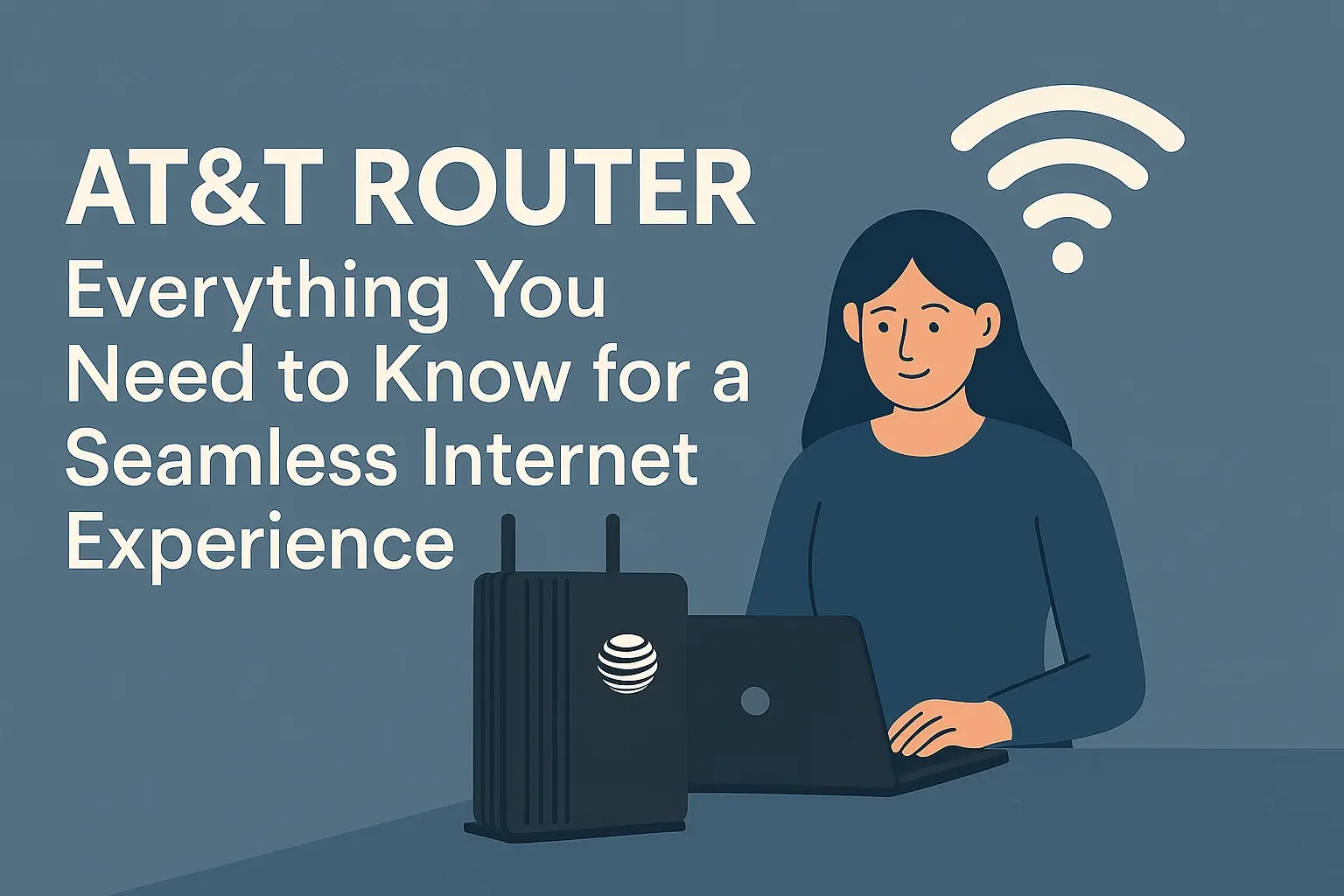
The most direct and user-facing component that requires electricity is the Optical Network Terminal (ONT), often referred to as a modem or gateway, installed in your home or business. The ONT is the device that terminates the fiber optic cable entering your premises. It performs the critical function of converting the incoming light signals back into electrical signals that your router and connected devices can use. Conversely, when you send data, the ONT converts electrical signals from your devices into light pulses to be transmitted back through the fiber network. This conversion process, along with the device's internal electronics and any Wi-Fi broadcasting capabilities, is entirely dependent on a steady supply of electricity.
Furthermore, the routers and switches within your home that distribute the internet connection to your various devices (computers, smartphones, smart TVs, etc.) also require electricity to operate. These devices process the data received from the ONT and manage the network traffic within your home. Without electricity, none of these components can function, rendering the fiber internet connection inoperable.
The Role of Lasers and Photodiodes
At the heart of fiber optic communication are lasers and photodiodes, both of which are powered by electricity. Lasers are used to generate the light pulses that represent data. These are typically semiconductor lasers that can be modulated very quickly to encode information. The electrical current supplied to the laser determines its intensity and when it emits light. Photodiodes, on the other hand, are used at the receiving end to detect the incoming light pulses and convert them back into electrical signals. These photodiodes require a small electrical bias to operate efficiently. The speed and accuracy of these conversions are paramount to achieving the high bandwidth and low latency that fiber internet is known for, and both processes are fundamentally electrical.
Data Transmission vs. Infrastructure Power
It's essential to differentiate between the energy required for the data signal itself and the energy required for the infrastructure that supports it. The light pulses traveling through the fiber optic cable are carriers of information, and the light itself doesn't "consume" electricity in the way a resistive wire might. However, the devices that generate, modulate, amplify, detect, and convert these light signals are all powered by electricity. This includes everything from the lasers in the OLT and ONT to the photodiodes and associated electronics in these devices. Therefore, while the fiber optic cable is an efficient transmission medium, the entire system supporting it relies on electrical power.
Key Components Requiring Electricity
To fully understand why fiber internet needs electricity, it's helpful to break down the specific components that draw power. Each element plays a crucial role in the end-to-end delivery of your internet service. The journey of data from the internet backbone to your device involves a chain of powered equipment.
1. Optical Line Terminal (OLT)
Located at the ISP's central office or a local data hub, the OLT is the "brain" of the fiber network for a given area. It manages the communication between the ISP's network and the ONTs of all connected subscribers. The OLT requires significant electrical power to operate its complex processing units, lasers, and network interfaces. It's responsible for sending and receiving data streams, managing bandwidth allocation, and ensuring the overall health of the fiber network segment it serves. In 2025, OLTs are highly sophisticated and energy-efficient, but their power requirements are substantial due to the sheer volume of data they handle and the advanced technology they employ.
2. Optical Network Terminal (ONT) / Optical Network Unit (ONU)
This is the device installed at the customer's premises (your home or business). The ONT's primary function is to convert optical signals to electrical signals and vice versa. It houses lasers to send data and photodiodes to receive data. The electronics within the ONT, including its processor, network interface, and any integrated Wi-Fi capabilities, all require a continuous supply of electricity. Without power, the ONT cannot translate the light pulses from the fiber into usable data for your devices, nor can it send your outgoing data back to the ISP. Most ISPs provide the ONT, and it typically connects to a standard electrical outlet.
3. Routers and Wi-Fi Access Points
While not technically part of the fiber optic network itself, the router is an essential component for most users to access the internet. The ONT often connects directly to a router, which then creates a local network (LAN) within your home. Routers use electricity to process data packets, manage network addresses, and broadcast Wi-Fi signals. Modern routers, especially those designed to handle the high speeds of fiber internet, are more powerful and thus consume more electricity than older models. These devices are critical for connecting multiple devices wirelessly and wired.
4. Network Switches and Amplifiers (in some deployments)
In larger or more complex fiber deployments, there might be intermediate network equipment such as switches or optical amplifiers located in street cabinets or distribution points. While fiber optic cables are known for their low signal loss, over very long distances or in networks with many splitters, active components like optical amplifiers might be necessary to boost the light signal. These active components require electricity to function. Similarly, network switches in distribution points manage traffic flow and require power. The trend in fiber deployment is often towards "fiber to the home" (FTTH) which minimizes these intermediate active components, but they can still exist in certain architectures.
5. Power Backup Systems
To ensure service continuity, ISPs invest heavily in backup power for their central offices and critical network nodes. This includes uninterruptible power supplies (UPS) and backup generators. These systems themselves require electricity to operate (e.g., charging batteries) and are designed to kick in immediately when the primary power source fails. This highlights the pervasive need for electricity throughout the entire fiber infrastructure, not just at the end-user's location.
6. Customer Premises Equipment (CPE)
Beyond the ONT and router, any other customer-owned equipment that interfaces with the internet connection, such as network-attached storage (NAS) devices, smart home hubs, or wired Ethernet devices, will also require electricity to operate. While these aren't directly powered by the ISP's fiber network, they are dependent on the electricity powering the ONT and router to receive and transmit data.
In summary, while the fiber optic cable itself is a passive conduit for light, the active electronic components at both ends and potentially in between are the reason electricity is indispensable for fiber internet service. The advancement of fiber technology in 2025 has led to more energy-efficient components, but the fundamental requirement for electrical power remains unchanged.
Power Alternatives and Backup Solutions
Given the critical reliance on electricity for fiber internet, robust power solutions are essential. ISPs and even end-users employ various strategies to ensure uninterrupted service, especially during power outages. The goal is always to maintain connectivity, as fiber is often chosen for its reliability in business and critical infrastructure applications.
ISP-Level Backup Power
ISPs invest significantly in backup power for their central offices and network aggregation points. These facilities are equipped with:
- Uninterruptible Power Supplies (UPS): These battery-based systems provide immediate, short-term power when the main electricity supply fails. They bridge the gap until longer-term backup power sources can take over or until the main power is restored. UPS units require electricity to keep their batteries charged.
- Backup Generators: For extended outages, diesel or natural gas generators are deployed. These can power the network equipment for days or even weeks, provided they have a fuel supply. These generators also require electricity for their starting mechanisms and control systems.
- Redundant Power Feeds: In some critical locations, ISPs may have multiple, independent power feeds from different substations to reduce the risk of a single point of failure.
These measures ensure that the core network remains operational, allowing data to flow to the neighborhood distribution points even when local power is out.
Customer Premises Equipment (CPE) Power
At the user's end, the ONT and router are typically plugged into standard wall outlets. When the local power grid fails, these devices lose power, and internet connectivity is interrupted unless backup solutions are in place.
- Home UPS Systems: Consumers can purchase UPS units specifically designed to power their modems, routers, and ONTs. These units provide battery backup for several hours, allowing internet access to continue during short to medium power outages. This is particularly valuable for remote workers or those who rely on internet for communication or security systems. A typical home UPS for networking equipment might cost between $50 and $200 in 2025, depending on its capacity and features.
- Battery Backup for ONTs (Less Common): Some ISPs may provide ONTs with integrated battery backup, especially in areas prone to frequent outages or for business customers. These batteries are usually designed to last for a few hours and are recharged by the ONT itself when main power is available. However, this is not a universal offering and often comes at an additional cost or is limited to specific service tiers.
- Alternative Power Sources (Solar, etc.): For off-grid or highly resilient setups, individuals might integrate their home networking equipment with alternative power sources like solar panels and battery storage. While this is a more complex and expensive solution, it offers the highest degree of independence from the traditional power grid.
Power Efficiency of Fiber Components
While electricity is required, fiber optic technology is generally more energy-efficient per bit of data transmitted compared to older copper-based technologies. The light signals in fiber experience less attenuation (signal loss) than electrical signals in copper, meaning fewer active components (which consume power) are needed to boost the signal over distance. Furthermore, the electronic components in modern ONTs and OLTs are designed with energy efficiency in mind. For instance, advancements in laser and photodiode technology in 2025 continue to reduce the power consumption of these critical components.
Comparison of Power Consumption (Illustrative, 2025 Estimates):
| Device Type | Typical Power Consumption (Watts) | Notes |
|---|---|---|
| Fiber ONT (Active) | 5 - 15 W | Varies by model and features (e.g., integrated Wi-Fi) |
| Wi-Fi Router (Modern) | 10 - 25 W | Higher for Wi-Fi 6/6E/7 routers |
| DSL Modem | 5 - 10 W | Generally lower, but limited by bandwidth |
| Cable Modem (DOCSIS 3.1) | 10 - 20 W | Can be higher for older DOCSIS versions |
| OLT (Central Office) | Hundreds to Thousands of Watts | Aggregate power for many users; highly variable |
The table illustrates that while individual fiber components are reasonably power-efficient, the aggregate power needed for the entire network infrastructure, including the ISP's equipment, is significant. However, the efficiency per bit of data transferred remains a strong point for fiber.
In conclusion, while fiber optic cables themselves are passive, the active electronic components that enable data transmission and reception are entirely dependent on electricity. ISPs mitigate this by implementing extensive backup power solutions, and consumers can enhance their own resilience with home UPS systems. This layered approach ensures that fiber internet remains a reliable choice, even in the face of power challenges.
Fiber vs. Other Internet Technologies: Electricity Consumption
When discussing whether fiber internet requires electricity, it's crucial to compare its power consumption against other prevalent broadband technologies. While all modern internet connections require electricity, fiber optic technology often stands out for its efficiency, especially when considering the amount of data transferred.
Fiber Optic Technology
As established, fiber optic internet relies on electrical power for its active components: the OLT at the ISP's end and the ONT at the customer's premises, along with routers and switches. The key advantage of fiber is the efficiency of light transmission. Light signals travel long distances with minimal loss, meaning fewer powered signal boosters are needed compared to copper-based technologies. The electronic components, such as lasers and photodiodes, are also becoming increasingly energy-efficient. In 2025, a typical fiber ONT and router setup might consume anywhere from 15 to 40 watts, depending on usage and the specific devices.
DSL (Digital Subscriber Line)
DSL internet uses existing copper telephone lines to transmit data. While the DSL modem itself is relatively low-power (typically 5-10 watts), the copper infrastructure has significant limitations. To compensate for signal degradation over distance, DSL often requires powered repeaters or loading coils along the telephone lines, especially for users far from the central office. These powered components add to the overall energy footprint of DSL. Furthermore, DSL's maximum speeds are significantly lower than fiber, meaning more energy might be consumed per bit of data for equivalent tasks.
Cable Internet (Coaxial Cable)
Cable internet uses coaxial cables, similar to those used for cable television. The cable modem consumes power, typically between 10-20 watts for modern DOCSIS 3.1 modems. However, the cable network architecture often requires powered amplifiers and nodes throughout the neighborhood to boost the signal strength. These powered devices are essential for delivering consistent speeds, especially in areas with many subscribers. The energy consumption of the cable network, when aggregated across all its powered components, can be substantial. In 2025, while cable technology has improved, its reliance on powered amplification points makes it generally less energy-efficient per bit than fiber.
Fixed Wireless and Satellite Internet
These technologies also require electricity. Fixed wireless requires powered antennas at both the provider's tower and the customer's location. Satellite internet requires a powered modem and dish at the customer's premises, and of course, the satellite itself requires power in orbit. The energy consumption varies greatly depending on the specific technology and provider. While they don't use physical cables, the power requirements for transmission and reception equipment are still present.
Comparison Summary
A simplified comparison of energy efficiency per bit of data transferred would generally place fiber optic internet at the top, followed by cable, then DSL, and potentially wireless/satellite depending on the specific implementation.
| Technology | Primary Power Needs | Energy Efficiency (per bit) | 2025 Relevance |
|---|---|---|---|
| Fiber Optic | OLT, ONT, Routers, Switches | High | Leading technology for speed and efficiency |
| Cable Internet | Cable Modem, Amplifiers, Nodes | Medium-High | Still prevalent, but often surpassed by fiber |
| DSL | DSL Modem, Line Repeaters (sometimes) | Medium | Declining, limited by speed and distance |
| Fixed Wireless | Base Station Antennas, CPE Antennas | Variable | Good for rural areas, performance varies |
| Satellite | Modem, Dish, Satellite Transponders | Variable (often lower) | Essential for very remote locations |
The key takeaway is that while all internet services require electricity, fiber optic technology is often the most energy-efficient per unit of data transmitted due to the inherent properties of light and the design of its infrastructure. This efficiency, combined with its superior speed and reliability, makes it an attractive option for consumers and businesses in 2025 and beyond.
Mythbusting: Common Misconceptions About Fiber and Electricity
The introduction of new technologies often brings with it a cloud of myths and misconceptions. Fiber optic internet is no exception, particularly concerning its reliance on electricity. Let's address some common misunderstandings to clarify how fiber works and its actual power requirements.
Myth 1: Fiber optic cables transmit data using electricity directly.
Fact: This is perhaps the most fundamental misunderstanding. Fiber optic cables transmit data as pulses of light, not electrical signals. The light is generated by lasers or LEDs and travels through the glass or plastic strands. Electricity is required for the devices that *generate* the light, *detect* the light, and *convert* it back into electrical signals for your devices. The cable itself is a passive conduit for light.
Myth 2: Fiber internet is "wireless" and doesn't need power.
Fact: While fiber enables wireless connectivity within your home via a Wi-Fi router, the fiber optic connection itself is a physical, wired connection. The "wireless" aspect applies only to the local network distribution. The physical fiber optic cable extending from the ISP's network to your premises, and the equipment at both ends, all require electricity to function.
Myth 3: Fiber internet is more susceptible to power outages because it's "high-tech."
Fact: All internet technologies are susceptible to power outages because they rely on powered equipment. Fiber's susceptibility is no greater than DSL or cable internet. In fact, due to the efficiency of fiber transmission and the robust backup power systems ISPs deploy at their central offices, fiber networks can sometimes be more resilient during outages, especially if the customer has a UPS for their home equipment.
Myth 4: The fiber optic cable itself draws power from the ground or air.
Fact: Fiber optic cables are made of glass or plastic and are dielectric, meaning they do not conduct electricity. They do not draw power from their surroundings. Their function is purely to guide light signals.
Myth 5: Fiber internet requires a special, high-voltage electrical supply.
Fact: The fiber optic equipment installed in homes (ONT) and at the ISP's central office (OLT) uses standard household or commercial electrical voltages. The ONT typically plugs into a regular wall outlet, just like a modem or router for other internet technologies. While central office equipment might have more complex power management systems, they are still fundamentally drawing from the electrical grid.
Myth 6: Fiber internet is "passive" and therefore uses no electricity.
Fact: While the fiber optic cable is passive, the system as a whole is not. The active electronic components are essential for the system to work. Think of a passive optical network (PON) – the "passive" refers to the optical splitters in the distribution network, which do not require power. However, the OLT at the headend and the ONTs at the customer premises are active and require electricity.
Myth 7: Fiber internet is inherently more expensive to power than other technologies.
Fact: As discussed in the previous section, fiber optic technology is often more energy-efficient *per bit of data transmitted* than copper-based technologies like DSL and cable. While the upfront cost of fiber deployment can be higher, its operational energy costs per unit of data are often lower, contributing to its long-term efficiency.
Understanding these facts helps demystify fiber optic technology. Its reliance on electricity is similar to other broadband services, but its unique transmission method offers significant advantages in speed, reliability, and often, energy efficiency.
Future Trends in Fiber Internet Power Efficiency
The telecommunications industry is constantly striving for greater efficiency, and fiber optic technology is no exception. As we look towards the future, several trends are emerging that aim to reduce the power consumption associated with fiber internet, making it even more sustainable and cost-effective.
Advancements in Optical Components
Research and development continue to focus on making the lasers, photodiodes, and optical modulators used in fiber optic systems more energy-efficient. By using new materials and improved manufacturing processes, manufacturers are developing components that can transmit and receive data at higher speeds with lower power draw. For example, advancements in silicon photonics and integrated optics are enabling smaller, more power-efficient transceivers. By 2025 and beyond, we can expect to see ONTs and OLTs that consume significantly less power than their predecessors, even while supporting higher bandwidths.
Smarter Network Management and Power Scaling
Modern network management systems are becoming increasingly sophisticated. ISPs are implementing "smart" power management techniques that allow network equipment to dynamically scale its power consumption based on real-time demand. For instance, during periods of low network traffic (e.g., overnight), certain components within the OLT or network nodes can be put into a low-power state or even temporarily shut down and reactivated as needed. This intelligent power scaling can lead to substantial energy savings across the entire network infrastructure.
Increased Integration and Miniaturization
The trend towards integrating more functionality into fewer devices continues. Future ONTs and routers may combine more features, potentially reducing the overall number of powered devices needed in a home. Furthermore, miniaturization of components often leads to increased power efficiency. Smaller, more integrated chips require less power to operate and generate less heat, further contributing to energy savings.
Passive Optical Network (PON) Enhancements
PON architectures, which use passive optical splitters in the distribution network, are already a key factor in fiber's efficiency. Future enhancements to PON standards (like next-generation PONs) are expected to focus not only on increasing bandwidth and reducing latency but also on improving power efficiency for both the OLT and the ONTs. This might involve more efficient power-saving modes for ONTs when they are idle.
Focus on Sustainability in Infrastructure Deployment
There is a growing global emphasis on sustainability and reducing the carbon footprint of digital infrastructure. This is driving innovation in power management for all aspects of telecommunications, including fiber networks. ISPs are increasingly looking for ways to optimize their energy usage, which includes investing in more efficient equipment, utilizing renewable energy sources for their facilities, and implementing smart grid technologies.
Edge Computing and Decentralization
As edge computing becomes more prevalent, data processing is moving closer to the end-user. While this might seem like it could increase power consumption, it can also lead to efficiencies by reducing the need to transmit large amounts of data back to distant data centers. The power consumption of edge computing devices will need to be managed carefully, but the overall network architecture could become more energy-efficient.
These future trends suggest that while fiber internet will continue to require electricity, the technology is on a path towards becoming even more power-efficient. This ongoing evolution is critical for supporting the ever-increasing demand for data in a sustainable manner.
Making an Informed Decision About Your Fiber Connection
Understanding the role of electricity in fiber internet is crucial for making informed decisions about your connectivity. The core takeaway is that while the fiber optic cable itself is a passive conductor of light, the entire system—from the ISP's central office to your home router—relies on electricity to function. This is not unique to fiber; all internet technologies require power.
Key points to remember:
- Active Components Need Power: Lasers, photodiodes, OLTs, ONTs, and routers all require electricity to convert signals, transmit data, and distribute it within your home.
- Fiber is Efficient: Despite requiring electricity, fiber optic technology is often more energy-efficient per bit of data transferred compared to older copper-based technologies.
- Backup Power is Key: ISPs invest in robust backup power solutions for their infrastructure. For end-users, a home UPS can ensure continuity during power outages.
- No Special Electrical Needs: Fiber ONTs use standard electrical outlets.
When choosing an internet service, consider not just speed and price, but also the reliability and the underlying technology. Fiber offers a compelling combination of performance and, increasingly, efficiency. By understanding its power requirements, you can better appreciate its operational needs and take steps to ensure your connection remains active, even when the lights go out.
For most users in 2025, the question isn't "Does fiber internet require electricity?" but rather, "How can I best leverage this powerful technology while understanding its operational needs?" The answer lies in recognizing the essential role of powered components and planning for potential power disruptions with solutions like home UPS systems. This proactive approach ensures you can continue to enjoy the unparalleled benefits of fiber internet.
Ultimately, the future of fiber internet is bright, with ongoing innovations promising even greater speed, reliability, and power efficiency. By staying informed about these advancements, consumers can confidently embrace the next generation of broadband connectivity.
Actionable Recommendation: If you are considering fiber internet or already have it, ensure your ONT and router are plugged into a reliable power source. For enhanced resilience against power outages, invest in a small Uninterruptible Power Supply (UPS) suitable for your networking equipment. This simple step can keep your internet running for several hours during an outage, ensuring you remain connected for work, communication, and entertainment.
By understanding the nuances of fiber optic technology and its power requirements, you can make the most informed decisions about your internet service, ensuring you benefit from the fastest and most reliable connection available.