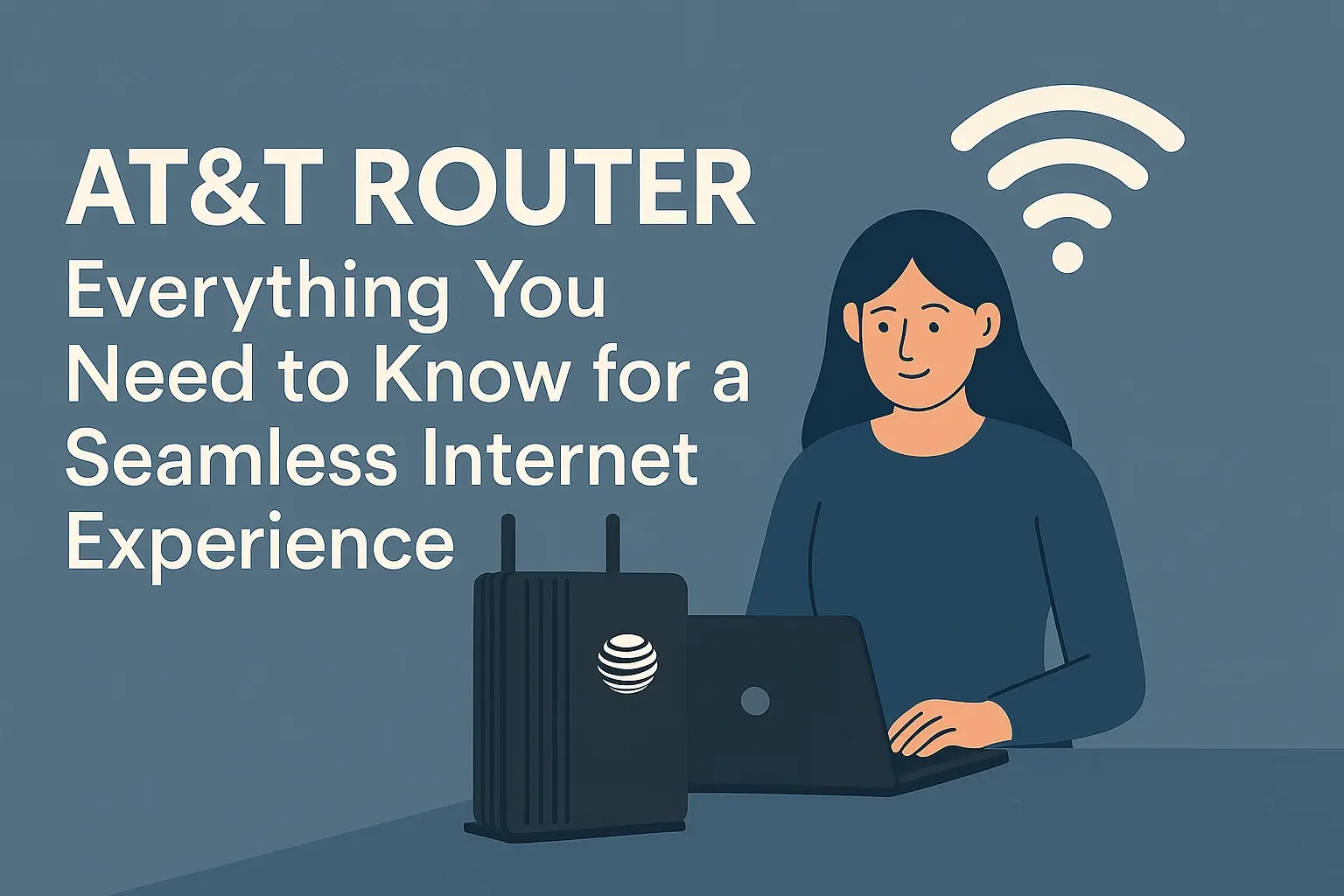
Yes, AT&T Fiber generally includes a Wi-Fi-enabled modem/router with its internet plans. This allows you to connect your devices wirelessly, offering convenience and flexibility throughout your home. Understanding the specifics of this inclusion is key to maximizing your AT&T Fiber experience.
Understanding AT&T Fiber and Wi-Fi Inclusion
When you sign up for AT&T Fiber internet service, the question of Wi-Fi capability is paramount for most households. The allure of fiber optic technology lies in its speed and reliability, but its practical application hinges on seamless wireless connectivity. AT&T, like most major internet service providers, understands this fundamental need. Therefore, their fiber offerings are designed to be user-friendly and immediately functional upon installation. This means that the essential equipment required to broadcast a Wi-Fi signal is typically provided as part of the service package. This approach eliminates the need for customers to purchase separate Wi-Fi routers or modems, simplifying the setup process and ensuring a cohesive internet experience from day one. The goal is to deliver high-speed internet directly to your home and then make it accessible to all your devices without the hassle of additional purchases or complex configurations. This comprehensive approach is a cornerstone of AT&T's strategy to provide a complete internet solution.
The integration of Wi-Fi capabilities within the provided AT&T equipment is not merely an added convenience; it's a critical component that enables users to leverage the full potential of their fiber connection. Without Wi-Fi, the high speeds offered by fiber would be largely confined to devices connected via Ethernet cables, a setup that is increasingly impractical in today's multi-device, mobile-centric world. From smartphones and tablets to smart TVs and home assistants, wireless connectivity is the default for most consumer electronics. AT&T's inclusion of Wi-Fi ensures that users can enjoy the benefits of their fiber service across all their devices, whether they are streaming high-definition content, engaging in video conferences, or playing online games. This seamless integration is a key differentiator and a significant factor in customer satisfaction. The technology behind this is sophisticated, aiming to provide robust and stable wireless signals throughout the home, a challenge that AT&T addresses with its provided Gateway devices.
Furthermore, the decision to include Wi-Fi functionality with AT&T Fiber equipment is a strategic one that aligns with industry standards and customer expectations. In the competitive landscape of internet service, providers are constantly looking for ways to enhance their value proposition. Providing a fully functional Wi-Fi solution out-of-the-box is a significant part of this. It reduces the barrier to entry for new customers and simplifies the transition to a new internet service. For existing customers, it means continued access to reliable wireless internet without the concern of equipment compatibility or additional costs. This commitment to providing a complete solution underscores AT&T's dedication to customer service and its understanding of modern internet usage patterns. The technology embedded in these devices is continuously updated to support the latest Wi-Fi standards, ensuring that users benefit from the fastest and most efficient wireless speeds possible, complementing the inherent speed of fiber.
What's Included with AT&T Fiber?
When you subscribe to an AT&T Fiber internet plan, the core components you receive are designed to deliver a complete and functional internet experience right out of the box. The primary piece of equipment provided is the AT&T Gateway, which is a sophisticated device that serves multiple crucial functions. This Gateway is not just a modem; it's an integrated unit that includes a router and a Wi-Fi access point. This means that it handles the task of connecting to AT&T's fiber network and, simultaneously, broadcasts a Wi-Fi signal throughout your home, allowing your wireless devices to connect to the internet. This all-in-one approach is standard practice for most residential internet services today, and AT&T's fiber offering is no exception. The Gateway is engineered to support the high speeds that fiber optic technology is capable of delivering, ensuring that the wireless experience is as robust as the wired connection.
Beyond the Gateway, the specific inclusions can vary slightly based on the plan you choose and any promotional offers that might be active at the time of your signup. However, the fundamental inclusion of the Wi-Fi-enabled Gateway is consistent across all AT&T Fiber residential plans. Installation services are also typically included, with a professional technician setting up the equipment and ensuring everything is working correctly. This service is invaluable, especially for users who may not be technically inclined, as it guarantees a smooth and efficient setup. The technician will connect the Gateway to the fiber line entering your home and configure the initial Wi-Fi network settings, often including a default network name (SSID) and password. This professional installation ensures that the network is optimally configured from the start, minimizing potential issues and maximizing performance. The technician will also guide you on basic usage and troubleshooting steps.
In addition to the hardware and installation, AT&T Fiber plans come with access to AT&T's customer support network. This includes online resources, phone support, and in-app assistance, all designed to help you manage your service and resolve any issues that may arise. While not a physical inclusion, this support is a vital part of the overall service package, ensuring that you have assistance when you need it. For example, if you encounter problems with your Wi-Fi signal or need to change your network settings, AT&T's support channels are there to guide you. The company also provides access to its myATT app, which offers tools for managing your account, monitoring data usage (though less relevant for fiber's unlimited nature), and troubleshooting your service, including your Wi-Fi network. This holistic approach ensures that customers are well-supported throughout their subscription.
Equipment Details
The AT&T Gateway is the central piece of equipment provided. It's designed to be a high-performance device capable of handling gigabit speeds, which is a hallmark of fiber optic internet. These Gateways are typically dual-band Wi-Fi devices, meaning they broadcast on both the 2.4 GHz and 5 GHz frequency bands. The 2.4 GHz band offers a wider range and better penetration through walls, making it suitable for devices further away from the Gateway or in areas with more obstructions. The 5 GHz band, on the other hand, provides faster speeds and less interference, ideal for devices that are closer to the Gateway and require maximum bandwidth, such as for streaming 4K video or online gaming. The Gateway often supports the latest Wi-Fi standards, such as Wi-Fi 6 (802.11ax), which offers improved efficiency, capacity, and speed, especially in environments with many connected devices. The specific model of the Gateway may vary depending on your location and the availability of equipment, but its core function remains the same: to provide high-speed internet and robust Wi-Fi connectivity.
It's important to note that while AT&T provides the Gateway, they typically do not allow customers to use their own modems or routers with AT&T Fiber. This is a common practice among ISPs to ensure network compatibility, security, and the ability to provide effective technical support. If you have a particularly complex home network setup or specific requirements, you might be able to use a separate router in conjunction with the AT&T Gateway, often by configuring the Gateway into a "pass-through" or "bridge" mode. However, for most users, the provided Gateway is sufficient and designed to meet their needs. The company periodically updates its Gateway models to incorporate newer technologies and improve performance, so you can be confident that the equipment you receive is modern and capable. For instance, newer models are optimized to handle the demands of multiple devices simultaneously, a crucial feature in today's connected homes.
Installation and Setup
The installation process for AT&T Fiber is generally straightforward. A certified AT&T technician will visit your home on a scheduled appointment. They will run a fiber optic cable from the outside network to a specific point inside your home where the AT&T Gateway will be installed. The technician will then connect the Gateway to the fiber line and to a power source. Following the physical installation, they will power on the Gateway and configure the initial network settings. This includes setting up the Wi-Fi network name (SSID) and a secure password. They will often provide you with this information on a card or sticker attached to the Gateway. The technician will then test the connection to ensure that you have internet access and that the Wi-Fi signal is broadcasting correctly. They will typically demonstrate how to connect a device to the Wi-Fi network and may offer basic advice on optimizing signal strength within your home. The entire process is designed to be as seamless as possible, ensuring that you can start using your high-speed internet service immediately after the technician leaves.
Post-installation, you can easily manage your Wi-Fi network through the AT&T Smart Home Manager app. This app allows you to view connected devices, change your Wi-Fi password, set up a guest network, and even perform speed tests. It provides a user-friendly interface for managing your home network without needing to access complex router settings. For example, if you want to change your Wi-Fi password for security reasons, you can do so directly from your smartphone using the app. The app also offers features like parental controls, allowing you to manage internet access for specific devices, which is a valuable tool for families. This level of control and ease of management is a significant benefit of using AT&T's provided equipment and software.
The AT&T Gateway: Your Wi-Fi Hub
The AT&T Gateway is the heart of your AT&T Fiber internet connection, acting as the central hub that not only connects your home to the high-speed fiber optic network but also broadcasts the Wi-Fi signal that powers your wireless devices. It's an integrated device, meaning it combines the functions of a modem, router, and Wi-Fi access point into a single unit. This consolidation simplifies installation and management, providing a streamlined experience for the user. The Gateway is specifically designed to handle the immense speeds that fiber optic technology offers, ensuring that the wireless connection is not a bottleneck for the overall internet performance. Modern AT&T Gateways are equipped with advanced technology to provide a stable and fast Wi-Fi experience throughout your home.
One of the key features of the AT&T Gateway is its dual-band Wi-Fi capability. This means it operates on two distinct radio frequencies: 2.4 GHz and 5 GHz. The 2.4 GHz band is known for its longer range and better ability to penetrate solid objects like walls and floors, making it ideal for devices that are located further away from the Gateway or in areas with more physical obstructions. However, the 2.4 GHz band can be more susceptible to interference from other electronic devices. The 5 GHz band, on the other hand, offers significantly faster speeds and less interference, but its range is shorter, and it doesn't penetrate obstacles as effectively. By supporting both bands, the AT&T Gateway allows your devices to connect to the most suitable network based on their location and your home's layout, optimizing both range and speed. Many newer Gateways also support Wi-Fi 6 (802.11ax), the latest Wi-Fi standard, which enhances efficiency, capacity, and speed, particularly in dense network environments with numerous connected devices. This ensures that even with many devices online simultaneously, your Wi-Fi performance remains strong.
Gateway Models and Capabilities
AT&T utilizes various Gateway models, and the specific unit you receive may depend on your service location and the availability of equipment at the time of installation. However, all residential AT&T Fiber Gateways are designed to be Wi-Fi enabled and capable of supporting high-speed internet. Common models include the AT&T BGW210, BGW320, and NVG599, among others. The BGW320-500, for instance, is a popular model that supports Wi-Fi 6 and offers advanced features for managing your home network. These devices are engineered to provide robust wireless coverage, and AT&T regularly updates its hardware to ensure compatibility with the latest technological advancements and to meet the increasing demands of connected homes. For example, the BGW320 series features a 5Gbps Ethernet port, which is beneficial for users with the highest speed fiber plans, allowing them to achieve wired speeds closer to their plan's maximum.
The capabilities of these Gateways extend beyond basic Wi-Fi broadcasting. They include built-in security features to protect your network from unauthorized access. They also support advanced networking features such as Quality of Service (QoS) to prioritize certain types of traffic (e.g., video streaming over file downloads), although these are often managed automatically by the device. The AT&T Smart Home Manager app provides a user-friendly interface to access and manage many of these features, including changing your Wi-Fi network name and password, setting up a guest network, and viewing connected devices. This app is a crucial tool for users to personalize and optimize their home network experience without needing to delve into complex router configurations. The continuous development of these Gateway models ensures that AT&T Fiber customers benefit from reliable and high-performance wireless connectivity that keeps pace with technological evolution.
Optimizing Wi-Fi Coverage with the Gateway
While the AT&T Gateway is designed to provide good Wi-Fi coverage, the physical layout of your home and the placement of the Gateway can significantly impact its performance. For optimal coverage, it's recommended to place the Gateway in a central location in your home, away from obstructions like thick walls, large metal objects, or other electronic devices that can cause interference (e.g., microwaves, cordless phones). Elevating the Gateway slightly, perhaps on a shelf rather than on the floor, can also help improve signal distribution. If you have a larger home or a layout that presents challenges for Wi-Fi signal penetration, AT&T offers solutions like the AT&T Wi-Fi Extender. These devices can be strategically placed throughout your home to create a mesh network, extending the Wi-Fi signal to areas that might otherwise have weak or no coverage. The Smart Home Manager app can help you identify dead spots and suggest optimal placement for extenders.
Utilizing the dual-band capabilities of the Gateway effectively is also key. For devices that are stationary and require high speeds (like a smart TV in the living room or a desktop computer), connecting them to the 5 GHz band when they are relatively close to the Gateway can provide the best performance. For mobile devices or those located further away, the 2.4 GHz band might offer a more stable connection. The AT&T Smart Home Manager app often allows you to see which devices are connected to which band and can sometimes help you manage this. If you have a large number of devices, ensuring your Gateway supports Wi-Fi 6 can significantly improve overall network performance and efficiency, as this standard is designed to handle multiple connections more effectively than older standards. Regular firmware updates for the Gateway, which AT&T typically manages remotely, also play a crucial role in maintaining optimal performance and security.
Choosing the Right AT&T Fiber Plan
When selecting an AT&T Fiber plan, the core question of Wi-Fi inclusion is already answered: all residential fiber plans come with a Wi-Fi-enabled AT&T Gateway. The primary differentiation between plans lies in the internet speed offered. AT&T Fiber typically offers a range of speeds, often starting from 300 Mbps and going up to 5 Gigabits per second (Gbps) or even higher in some areas. The speed you choose should align with your household's internet usage habits and the number of devices that will be connected simultaneously. Understanding your needs is crucial to avoid overpaying for more speed than you require or being frustrated by insufficient bandwidth for your activities.
For a typical household with a few users who primarily use the internet for browsing, email, social media, and occasional streaming of standard-definition content, a plan with speeds of 300 Mbps or 500 Mbps is often sufficient. These speeds allow for smooth multitasking and can comfortably support multiple devices simultaneously. However, if your household frequently engages in activities that demand higher bandwidth, such as streaming 4K Ultra HD content on multiple devices, participating in online gaming, downloading large files, or conducting frequent video conferences for remote work, then a higher-speed plan is recommended. Plans offering 1 Gig (1000 Mbps) or higher are ideal for these power users and large households with many connected devices. The highest tier plans, such as 2 Gbps or 5 Gbps, are designed for the most demanding users, offering near-instantaneous downloads and the capacity to handle an extensive array of connected smart home devices without any performance degradation.
Understanding Speed Tiers
AT&T Fiber's speed tiers are advertised in megabits per second (Mbps) or gigabits per second (Gbps). It's important to understand what these speeds mean in practical terms. For example, a 300 Mbps plan means that, under ideal conditions, you can download data at a rate of up to 300 million bits per second. This is more than enough for most common internet activities. A 1 Gig plan offers 1000 Mbps, which is significantly faster and can handle multiple high-bandwidth activities concurrently. The 5 Gig plan is exceptionally fast, capable of downloading a full-length HD movie in seconds. When choosing a speed tier, consider the following:
- Number of users: More users generally require higher speeds.
- Types of activities: Streaming 4K video, online gaming, and large file downloads consume more bandwidth than basic web browsing.
- Number of connected devices: Smart home devices, phones, tablets, laptops, and smart TVs all contribute to overall bandwidth demand.
AT&T often provides tools on its website to help you estimate the speed you might need based on your household's usage patterns. For instance, if you have 5-10 devices and primarily stream HD video and game occasionally, a 500 Mbps or 1 Gig plan would likely be a good fit. If you have 15+ devices and engage in heavy 4K streaming and large file transfers regularly, a 2 Gbps or 5 Gbps plan would be more appropriate. The Wi-Fi capability of the provided Gateway is crucial here; while the fiber line can deliver these high speeds, the Wi-Fi standard and the Gateway's capabilities will ultimately determine how those speeds are delivered wirelessly to your devices. Wi-Fi 6, supported by newer Gateways, is particularly important for maximizing speeds on multiple devices simultaneously.
Factors Influencing Plan Selection
When selecting your AT&T Fiber plan, beyond the speed, consider any bundled services or promotional offers. AT&T may offer discounts for bundling internet with their DIRECTV or wireless services. Promotional pricing is common for new customers, so be sure to ask about any available deals and understand the duration of these introductory rates. Also, consider the contract terms. AT&T Fiber plans are often offered without annual contracts, providing flexibility. However, it's always wise to confirm this. The installation fee is another factor; while professional installation is typically included, there might be instances where additional charges apply for complex setups. The AT&T Gateway is provided at no additional monthly cost, but its replacement cost in case of damage or loss might be outlined in the terms of service. Understanding these nuances will help you make an informed decision that best suits your budget and needs, ensuring you get the most value from your AT&T Fiber service, including its inherent Wi-Fi capabilities.
Optimizing Your AT&T Fiber Wi-Fi Experience
Once you have AT&T Fiber installed and your Wi-Fi-enabled Gateway is operational, there are several steps you can take to ensure you're getting the best possible wireless performance. While AT&T provides a robust solution, user behavior and home environment play significant roles in Wi-Fi quality. Optimizing your experience involves understanding how your Gateway works, how to manage your network settings, and how to address potential interference or range issues. The goal is to leverage the high speeds of fiber and the capabilities of the AT&T Gateway to create a seamless and reliable wireless connection throughout your home.
The primary tool for managing and optimizing your AT&T Fiber Wi-Fi is the AT&T Smart Home Manager app. This mobile application provides an intuitive interface for users to interact with their home network. Through the app, you can view a list of all devices currently connected to your Wi-Fi network, which helps you identify any unauthorized devices. You can also easily change your Wi-Fi network name (SSID) and password. Choosing a strong, unique password is a critical security measure. For enhanced security, consider enabling WPA3 encryption if your Gateway and devices support it, as it offers more robust protection than older WPA2 protocols. The app also allows you to create a guest network, providing internet access to visitors without giving them access to your main network and its connected devices. This is a convenient and secure way to manage visitor access.
Managing Network Settings
Within the AT&T Smart Home Manager app, you can access various network settings. One useful feature is the ability to prioritize devices or applications using Quality of Service (QoS) settings, although automatic QoS is often enabled by default on AT&T Gateways. This feature ensures that critical applications, like video conferencing or online gaming, receive sufficient bandwidth, even when other devices are consuming significant network resources. You can also schedule Wi-Fi access for specific devices or times, which can be useful for managing children's screen time or ensuring bandwidth is available during peak usage hours. The app often provides insights into your network's performance, including speed test results and potential issues. Regularly checking these insights can help you proactively address problems before they significantly impact your experience. For advanced users, some Gateway models might offer access to a more detailed web-based interface for further customization, though this is typically not required for most users.
Improving Wi-Fi Signal Strength and Range
As mentioned previously, the physical placement of your AT&T Gateway is crucial for optimal Wi-Fi coverage. Avoid placing it in basements, closets, or behind large furniture. Aim for a central location, elevated if possible, and away from potential sources of interference like microwaves, Bluetooth devices, and cordless phones. If your home is large or has multiple floors, or if the layout is complex with many thick walls, the Gateway's signal may not reach all areas effectively. In such cases, consider using the AT&T Wi-Fi Extender. These devices work by connecting wirelessly to your existing AT&T Gateway and rebroadcasting the Wi-Fi signal, effectively extending the network's reach. The Smart Home Manager app can assist in identifying areas with weak signals and recommending optimal placement for extenders. For the most comprehensive coverage in larger or more challenging environments, AT&T offers mesh Wi-Fi systems, which consist of multiple nodes that work together to create a single, seamless Wi-Fi network throughout your home, ensuring consistent speeds and strong signals everywhere.
Security Best Practices
Securing your AT&T Fiber Wi-Fi network is paramount. Always change the default Wi-Fi password provided by AT&T to a strong, unique password that combines uppercase and lowercase letters, numbers, and symbols. Avoid using easily guessable information like your name, address, or birthdate. Regularly update your Wi-Fi password, especially if you suspect it may have been compromised. Ensure that your AT&T Gateway is running the latest firmware. AT&T typically manages firmware updates automatically, but it's good practice to check periodically via the Smart Home Manager app or the Gateway's web interface. Enable WPA3 encryption if available, as it provides enhanced security protocols compared to WPA2. The creation of a guest network is also a vital security measure, allowing visitors to connect to the internet without granting them access to your primary network and sensitive devices. By implementing these security best practices, you can significantly reduce the risk of unauthorized access and protect your home network.
Troubleshooting Common AT&T Fiber Wi-Fi Issues
While AT&T Fiber is known for its reliability, like any internet service, you might occasionally encounter Wi-Fi issues. Common problems include slow speeds, intermittent connectivity, or an inability to connect to the network. Fortunately, many of these issues can be resolved with basic troubleshooting steps, often without needing to contact customer support. The AT&T Smart Home Manager app is an excellent starting point for diagnosing and resolving many common problems. It provides diagnostic tools and guided troubleshooting steps that can often pinpoint the source of the issue and offer solutions.
One of the most frequent solutions for a variety of Wi-Fi problems is to simply restart your AT&T Gateway. This process, often referred to as a power cycle, can resolve temporary glitches and refresh the device's connection to the network. To perform a power cycle, unplug the power cord from the back of the Gateway, wait for about 30 seconds, and then plug it back in. Allow the Gateway a few minutes to fully boot up and re-establish its connection. During this time, the indicator lights on the device will cycle through various states before settling into a stable pattern, indicating that it's ready. This simple step can often fix connectivity issues, slow speeds, or devices that are unable to connect.
Slow Wi-Fi Speeds
If you're experiencing slow Wi-Fi speeds, several factors could be at play. First, ensure you are testing your speeds close to the AT&T Gateway, preferably connected via Ethernet if possible, to rule out Wi-Fi signal issues. If wired speeds are also slow, the problem might be with the fiber service itself or the Gateway. If wired speeds are good but Wi-Fi is slow, the issue is likely Wi-Fi related. Check if you're connected to the 5 GHz band, which offers faster speeds, especially if you're close to the Gateway. Devices further away might perform better on the 2.4 GHz band, but at reduced speeds. Too many devices using the network simultaneously can also lead to slower speeds for each individual device. Consider upgrading your plan if your usage consistently exceeds your current speed tier. Interference from other electronic devices or neighboring Wi-Fi networks can also degrade performance. The AT&T Smart Home Manager app may offer tools to analyze Wi-Fi congestion and suggest channel changes to mitigate interference. If the problem persists, using an AT&T Wi-Fi Extender or a mesh system can improve signal strength and speed in areas of your home where coverage is weak.
Intermittent Connectivity
Intermittent Wi-Fi connectivity, where your connection drops in and out, can be frustrating. This can be caused by a weak Wi-Fi signal, interference, or issues with the Gateway itself. As mentioned, a power cycle of the Gateway can often resolve temporary glitches. Ensure your Gateway is not overheating, as this can cause performance issues. Check the placement of your Gateway to ensure it's in a well-ventilated area and not obstructed. If you have many devices, especially older ones that don't support newer Wi-Fi standards, they might be causing instability on the network. Try disconnecting some devices to see if the connection stabilizes. Interference from other wireless devices or even faulty electrical wiring in your home can also cause intermittent drops. The AT&T Smart Home Manager app can help you identify potential sources of interference and guide you through troubleshooting steps. If the issue persists, it might be necessary to contact AT&T support to have them remotely diagnose the Gateway or schedule a technician visit.
Devices Not Connecting
If a specific device or multiple devices are unable to connect to your AT&T Fiber Wi-Fi network, start by ensuring that Wi-Fi is enabled on the device itself and that you are selecting the correct network name (SSID) and entering the correct password. Case sensitivity matters for passwords. Try restarting the device you are trying to connect. If only one device is having trouble, the issue is likely with that device rather than your AT&T network. Try connecting other devices to confirm if the network is functioning generally. If multiple devices are unable to connect, perform a power cycle on your AT&T Gateway. Check the AT&T Smart Home Manager app for any network outages or alerts. If you have recently changed your Wi-Fi password, ensure you update it on all your devices. For persistent connection issues, you might need to reset the network settings on the problematic device or, as a last resort, perform a factory reset on the AT&T Gateway (consult AT&T support before doing this, as it will erase all custom settings). Remember, the Gateway is designed to be user-friendly, but complex issues may require professional assistance.
AT&T Fiber vs. Competitors: Wi-Fi Offerings Compared
When evaluating internet service providers, the inclusion and quality of Wi-Fi capabilities are often as important as the advertised internet speeds. AT&T Fiber stands out by providing a robust, Wi-Fi-enabled AT&T Gateway with all its residential plans. This means customers receive a complete package that includes high-speed internet and seamless wireless connectivity from day one. Competitors in the fiber and high-speed internet market, such as Verizon Fios, Google Fiber, and Spectrum (which offers both cable and some fiber), also generally include Wi-Fi-enabled modems/routers. However, the specifics of the equipment, its capabilities, and any associated fees can vary significantly.
AT&T's approach of providing a single, integrated Gateway device simplifies the user experience. These Gateways are typically equipped with modern Wi-Fi standards like Wi-Fi 6 (802.11ax) on their higher-end models, ensuring good performance for multiple devices. This is comparable to what many other fiber providers offer. For instance, Verizon Fios also provides advanced routers with Wi-Fi 6 capabilities to its customers. Google Fiber, known for its simplicity, also includes a Wi-Fi router with its service. The key differences often lie in the specific models of routers used, the advanced features they offer (like mesh capabilities built-in or as add-ons), and whether there are any monthly equipment rental fees. AT&T generally includes the Gateway without a separate monthly charge for its fiber service, which is a competitive advantage over some providers who might charge a recurring fee for modem/router rental.
Equipment and Fees
A significant point of comparison is the equipment rental fees. AT&T Fiber plans typically include the AT&T Gateway at no additional monthly cost. This is a major plus for consumers looking to avoid ongoing expenses. In contrast, some competitors, particularly cable internet providers like Spectrum, may charge a monthly fee for modem/router rental, which can add to the overall cost of service over time. While fiber providers like Verizon Fios and Google Fiber also often include their routers, it's always wise to verify the current policies as these can change. AT&T's commitment to including the Gateway without a recurring fee simplifies budgeting and makes the overall cost of their fiber service more transparent. The quality of the provided Gateway is also a factor; AT&T uses modern hardware designed to support gigabit speeds and advanced Wi-Fi standards, ensuring that the wireless experience matches the wired performance.
Wi-Fi Performance and Features
The performance of the Wi-Fi provided by the Gateway is crucial. AT&T's Gateways, especially newer models like the BGW320 series, support Wi-Fi 6, offering improved speed, capacity, and efficiency for connected devices. This is essential for households with numerous smart devices, extensive streaming, and online gaming. Competitors also offer Wi-Fi 6 or equivalent technologies. For example, Verizon Fios Quantum Gateway models also support Wi-Fi 6. The range and reliability of the Wi-Fi signal are also important. While AT&T's Gateway provides good coverage, larger homes or those with challenging layouts might require additional solutions. AT&T offers Wi-Fi Extenders and mesh systems as optional add-ons to enhance coverage, similar to how other providers offer range extenders or their own mesh Wi-Fi solutions. The ease of managing the network through apps like the AT&T Smart Home Manager is another area where providers differ. AT&T's app is generally well-regarded for its user-friendliness and comprehensive features, allowing users to manage their network settings, security, and connected devices effectively.
Coverage and Availability
It's important to remember that AT&T Fiber, while expanding rapidly, is not yet available in all areas. Its availability is concentrated in specific cities and neighborhoods. Competitors like Verizon Fios are also geographically limited, primarily operating in the northeastern United States. Google Fiber has a more selective rollout strategy, expanding to new cities incrementally. Cable providers like Spectrum have a broader geographic reach but may not offer the same symmetrical speeds or latency benefits as fiber. When comparing Wi-Fi offerings, the underlying internet technology (fiber vs. cable) significantly impacts the potential speeds and reliability that the Wi-Fi equipment needs to support. AT&T Fiber's strength lies in its ability to deliver extremely high, symmetrical speeds over its fiber network, and its provided Gateway is designed to maximize the wireless delivery of these speeds. Therefore, for areas where AT&T Fiber is available, its combination of high-speed fiber and included Wi-Fi Gateway presents a compelling value proposition.
The Future of AT&T Fiber and Wi-Fi Technology
The landscape of internet connectivity is in constant evolution, driven by increasing demands for speed, capacity, and seamless integration. AT&T Fiber, as a leading provider of fiber optic internet, is at the forefront of this evolution, continuously investing in infrastructure and technology to deliver superior performance. The future of AT&T Fiber is intrinsically linked to advancements in both fiber optic technology itself and the wireless technologies that enable access to it. As internet usage patterns shift towards more data-intensive applications like immersive virtual reality, advanced cloud gaming, and higher-resolution video streaming, the need for faster and more reliable internet connections will only grow. AT&T's commitment to fiber is a strategic move towards meeting these future demands.
On the Wi-Fi front, the progression from Wi-Fi 6 to newer standards like Wi-Fi 6E and the upcoming Wi-Fi 7 promises significant improvements. Wi-Fi 6E introduced the 6 GHz band, offering more spectrum and reducing interference, while Wi-Fi 7 (802.11be) is set to further enhance speeds, reduce latency, and improve efficiency through features like Multi-Link Operation (MLO), which allows devices to connect over multiple bands simultaneously. AT&T's Gateway hardware will undoubtedly evolve to incorporate these new Wi-Fi standards, ensuring that the wireless experience keeps pace with the capabilities of the fiber network. This means that even as speeds increase, the provided equipment will be capable of delivering those speeds wirelessly to your devices. The integration of these advanced Wi-Fi technologies will be crucial for supporting the growing number of connected devices in smart homes and enabling new applications that require ultra-low latency and high bandwidth.
Advancements in Fiber Infrastructure
AT&T continues to expand its fiber optic network, bringing higher speeds to more households. Future developments in fiber technology include increasing the capacity of existing fiber lines and exploring new deployment methods to make fiber more accessible and cost-effective. Technologies like PON (Passive Optical Network) are constantly being refined to support higher downstream and upstream speeds. AT&T's ongoing investment in fiber deployment is a testament to its belief in this technology as the ultimate solution for high-speed internet. As the network expands, the speeds offered to consumers are likely to increase, pushing beyond the current multi-gigabit offerings. This continuous improvement in the physical infrastructure is the foundation upon which future internet experiences will be built, ensuring that AT&T Fiber remains a leading choice for speed and reliability.
Evolution of Wi-Fi Standards
The evolution of Wi-Fi standards is critical for maximizing the benefits of fiber optic internet. As AT&T deploys faster fiber speeds, the Wi-Fi technology in their Gateways must be capable of delivering those speeds wirelessly. The adoption of Wi-Fi 6E and the anticipated widespread adoption of Wi-Fi 7 will be key. Wi-Fi 7, in particular, promises to revolutionize wireless networking with its ability to aggregate multiple frequency bands and channels, leading to significantly higher throughput and lower latency. This will be essential for applications like high-fidelity virtual and augmented reality, real-time cloud gaming, and seamless 8K video streaming. AT&T's strategy will involve integrating these advanced Wi-Fi capabilities into its Gateway devices, potentially offering options for mesh systems that leverage these new standards for even greater coverage and performance. The goal is to ensure that the user's experience is consistently fast and reliable, whether connected via Ethernet or Wi-Fi, regardless of the number of devices in use.
Smart Home Integration and IoT
The future of internet connectivity is also heavily influenced by the proliferation of the Internet of Things (IoT) and the increasing integration of smart home devices. These devices, ranging from smart thermostats and security cameras to voice assistants and smart appliances, all rely on a stable and robust Wi-Fi connection. As the number of connected devices in an average home continues to grow exponentially, the demand on home Wi-Fi networks will intensify. AT&T's Gateways are being designed with this in mind, incorporating technologies that can efficiently manage a large number of simultaneous connections. Future Gateways will likely feature enhanced capacity and improved traffic management to ensure that all smart home devices, as well as personal devices like smartphones and laptops, operate smoothly without compromising performance. The integration of AI and machine learning into network management will also play a role, allowing Gateways to intelligently optimize performance based on usage patterns and device needs. This focus on supporting the connected home ecosystem is a vital part of AT&T's long-term vision for its fiber service.
In conclusion, AT&T Fiber's inclusion of Wi-Fi is a fundamental aspect of its service, ensuring that customers can immediately benefit from high-speed internet wirelessly. The provided AT&T Gateway acts as the central hub, offering robust Wi-Fi capabilities that are continuously updated to align with technological advancements. By understanding the equipment, optimizing network settings, and staying informed about future innovations, AT&T Fiber customers can enjoy a superior internet experience that meets the demands of today's connected world and is well-prepared for the challenges of tomorrow.