Yes, AT&T fiber internet service inherently includes the necessary equipment for a seamless connection. This typically comprises a modem and a Wi-Fi router, provided at no additional upfront cost to ensure you can get online quickly and efficiently. Understanding what's included helps manage expectations and optimize your home network.
What Equipment Does AT&T Fiber Include?
When you sign up for AT&T Fiber internet, the question of whether it comes with equipment is a common and important one. The straightforward answer is yes, AT&T provides the essential hardware needed to connect to their high-speed fiber network. This provision of equipment is standard practice for most internet service providers, including AT&T, as it ensures a consistent and reliable connection experience for their customers. You won't need to purchase a separate modem or router out of pocket to get started with AT&T Fiber. The company understands that a seamless transition to their service is paramount, and including the necessary devices is a key part of that commitment. This approach also allows AT&T to manage the performance and compatibility of the equipment with their network, ultimately benefiting the end-user with better service quality and fewer technical hurdles.
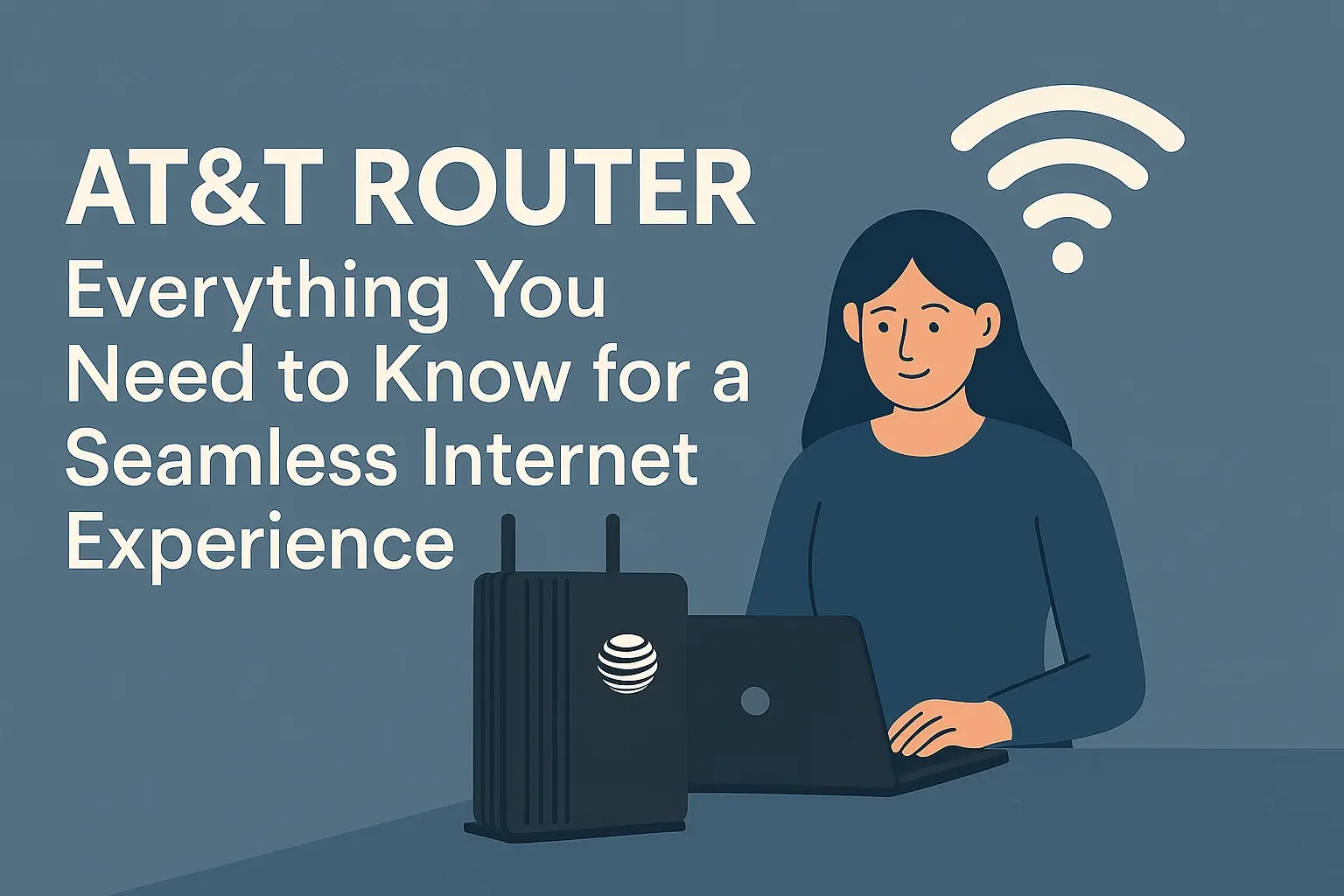
The core of the AT&T Fiber equipment package is the "gateway." This is a single, integrated device that serves the dual purpose of a modem and a router. The modem component is responsible for translating the fiber optic signals into a format that your home devices can understand, while the router component creates your home Wi-Fi network, allowing multiple devices to connect wirelessly and share the internet connection. This all-in-one solution simplifies setup and management for the user. In essence, AT&T Fiber aims to deliver a plug-and-play experience, minimizing the technical jargon and the need for customers to source their own compatible hardware. This integrated approach is designed to be user-friendly, making high-speed internet accessible without requiring extensive technical knowledge.
For the vast majority of AT&T Fiber customers, the provided gateway is sufficient for their needs. It's engineered to handle the speeds offered by AT&T's fiber plans, ensuring that you can take full advantage of the gigabit-plus speeds that fiber optic technology is known for. The device is typically installed and configured by an AT&T technician during the initial setup, further simplifying the process. They will ensure that the gateway is properly connected to the fiber line entering your home and that your Wi-Fi network is broadcasting. This professional installation service adds another layer of assurance that your AT&T Fiber service will be up and running smoothly from day one.
It's important to note that while AT&T provides the gateway, they retain ownership of the equipment. This means that the device is essentially on loan to you for the duration of your service. This is a common model in the telecommunications industry. The benefit for the customer is that there are no large upfront costs for purchasing this essential hardware. AT&T handles the procurement, maintenance, and eventual replacement of the equipment if it becomes faulty. This arrangement simplifies the customer's experience and reduces the barrier to entry for high-speed internet access. The provided gateway is specifically designed and tested to work optimally with AT&T's fiber network, ensuring compatibility and performance that might be harder to achieve with third-party devices.
The specific model of the AT&T Fiber gateway may vary depending on your location and the specific AT&T Fiber plan you choose, as well as any network upgrades AT&T implements. However, all provided gateways are designed to meet the performance standards required for AT&T's fiber optic service. They are equipped with the latest Wi-Fi technology (often Wi-Fi 6 or newer) to support a robust wireless network capable of handling multiple devices streaming, gaming, and working simultaneously. The modem component is also optimized for the high bandwidth and low latency characteristic of fiber optic connections. This ensures that you get the most out of your AT&T Fiber subscription without experiencing bottlenecks caused by outdated or incompatible equipment.
In summary, when you subscribe to AT&T Fiber, you are indeed provided with the necessary equipment. This includes a state-of-the-art gateway that functions as both a modem and a Wi-Fi router. This provision is part of the service, meaning no separate purchase is required for basic functionality. The installation is handled by AT&T professionals, and the equipment is designed to deliver the full potential of your fiber internet connection. This comprehensive approach makes switching to AT&T Fiber a convenient and hassle-free experience.
Understanding the AT&T Fiber Gateway
The heart of the AT&T Fiber internet experience, from an equipment perspective, is the AT&T Fiber Gateway. This single device is the gateway to your high-speed internet, combining the functionalities of a modem and a router into one unit. Understanding what this device does, how it works, and its capabilities is crucial for maximizing your internet experience. AT&T has invested significantly in developing and deploying advanced gateways that are specifically engineered to leverage the full potential of their fiber optic network, ensuring that customers receive the fastest and most reliable internet service possible.
As mentioned, the gateway is an all-in-one solution. The modem component is responsible for establishing and maintaining the connection to AT&T's fiber network. It takes the light signals transmitted through the fiber optic cables and converts them into electrical signals that your devices can use. Conversely, it converts the electrical signals from your devices into light signals to be sent back over the fiber network. This process is fundamental to how any internet service works, but with fiber, the speeds and efficiency are dramatically higher than with traditional cable or DSL technologies. The gateway's modem is precisely tuned to the specific protocols and frequencies used by AT&T's fiber infrastructure.
The router component of the AT&T Fiber Gateway is equally important. It creates your home's Wi-Fi network, broadcasting a wireless signal that allows your smartphones, laptops, tablets, smart TVs, and other connected devices to access the internet. Modern AT&T Fiber gateways typically support the latest Wi-Fi standards, such as Wi-Fi 6 (802.11ax). Wi-Fi 6 offers significant improvements over older standards, including higher speeds, increased capacity for more connected devices, better performance in crowded wireless environments, and improved power efficiency for connected devices. This means you can enjoy a more stable and faster wireless connection throughout your home, even with many devices online simultaneously, which is increasingly common in 2025-26 households.
AT&T often deploys different models of gateways depending on the specific fiber deployment in an area and the speed tiers offered. For instance, customers subscribing to the highest speed tiers, such as AT&T Fiber 1 Gig or 2 Gig, will receive gateways capable of handling those extreme speeds. These advanced gateways are equipped with multi-gigabit Ethernet ports, allowing for wired connections that can exceed 1 Gbps, ensuring that even the most demanding applications and devices can achieve their full potential. For users who connect devices via Ethernet cables, having these multi-gigabit ports is a significant advantage, bypassing any potential wireless limitations.
The physical appearance of the AT&T Fiber Gateway is generally sleek and modern, designed to blend into home decor. It usually features indicator lights that provide visual feedback on the status of the internet connection, Wi-Fi signal, and power. These lights can be helpful for basic troubleshooting, as they often indicate whether the device is online, if there are any connectivity issues, or if the Wi-Fi is active. Understanding what these lights signify can be a quick way to diagnose minor problems without needing to contact customer support.
For most users, the AT&T Fiber Gateway is a "set it and forget it" device. Once installed by the AT&T technician, it reliably provides internet access. However, for those who want more control over their home network, AT&T gateways often offer advanced settings accessible through a web interface or a dedicated mobile app. This can include options for managing connected devices, setting up parental controls, configuring guest networks, and prioritizing traffic for specific applications or devices. This level of customization can be beneficial for power users who want to fine-tune their network performance.
One of the key advantages of AT&T providing the gateway is that it's optimized for their network. This means AT&T can push firmware updates remotely to the device, ensuring it always has the latest security patches and performance enhancements. This proactive approach to equipment management helps maintain the security and efficiency of your home network and the broader AT&T network. It also means that if there's an issue with the gateway, AT&T has the tools and knowledge to diagnose and resolve it, often without requiring a technician visit.
In essence, the AT&T Fiber Gateway is a sophisticated piece of technology designed to deliver a superior internet experience. It's more than just a modem and router; it's the central hub of your digital life, built to handle the demands of modern internet usage. By understanding its dual functionality and capabilities, users can better appreciate the value and performance that AT&T Fiber brings to their homes.
The Installation Process and Your Equipment
The installation of AT&T Fiber internet is a comprehensive process that ensures your service is up and running smoothly, with the provided equipment playing a central role. Understanding what to expect during the installation can alleviate any concerns and help you prepare. AT&T prioritizes a professional and efficient installation to get you connected to their high-speed fiber network as quickly as possible. The process is designed to be as unobtrusive as possible while ensuring all technical requirements are met for optimal performance.
When you schedule your AT&T Fiber installation, a certified AT&T technician will arrive at your home at the agreed-upon time. The first step for the technician is to assess the best location for the installation. This typically involves identifying where the fiber optic line enters your home and determining the optimal placement for the AT&T Fiber Gateway. The gateway needs to be connected to the fiber line, usually via a small Optical Network Terminal (ONT) that is installed on an exterior wall or near where the fiber enters the house. The technician will then run a cable from the ONT to the desired location for the gateway, often in a central area of the home to ensure good Wi-Fi coverage.
The technician will then mount the AT&T Fiber Gateway and connect it to the ONT. This connection is critical as it establishes the link to AT&T's fiber network. Once physically connected, the technician will power up the gateway and begin the configuration process. This involves setting up your unique AT&T Fiber network name (SSID) and password for your Wi-Fi. They will typically use a default, secure password, but you will be prompted to change this to something more personal for security reasons. The technician will guide you through this process, ensuring you understand how to connect your devices to the new Wi-Fi network.
A key part of the installation is testing the connection. The technician will use diagnostic tools to verify that the gateway is receiving a strong signal from AT&T's network and that your Wi-Fi is broadcasting correctly. They will often perform speed tests on both wired and wireless connections to confirm that you are receiving the speeds associated with your subscribed AT&T Fiber plan. This thorough testing ensures that the service is performing as expected before the technician leaves your premises. They will also ensure that all necessary cables are neatly managed and secured, minimizing clutter.
During the installation, the technician will also explain the basic functions of the AT&T Fiber Gateway. They might show you how to access the gateway's settings, how to interpret the status lights, and what to do if you encounter common issues. They will also provide you with information on how to contact AT&T customer support should you need further assistance. This hands-on guidance is invaluable for new users who may not be familiar with fiber optic technology or advanced networking equipment. They are there to answer any questions you might have about the equipment or the service itself.
For those subscribing to higher-speed plans, such as AT&T Fiber 1 Gig or higher, the technician will ensure that the gateway is capable of supporting these speeds and that any Ethernet ports on the device are indeed multi-gigabit if applicable. This might involve demonstrating how to connect a device via an Ethernet cable to achieve the maximum possible speeds, which is often faster and more reliable than Wi-Fi for stationary devices like desktop computers or gaming consoles. The technician will ensure that the wiring used is also capable of supporting these higher speeds.
The installation process typically takes anywhere from 2 to 4 hours, depending on the complexity of the home and the existing infrastructure. AT&T technicians are trained to work efficiently and professionally, respecting your home and minimizing disruption. They will also clean up any mess made during the installation, leaving your home as tidy as they found it. The technician will confirm with you that you are satisfied with the installation and the initial setup before concluding the service visit.
It's important to note that AT&T provides the gateway as part of the service agreement. This means you do not purchase the gateway; it is loaned to you. Therefore, you are responsible for its care and return if you discontinue service. The technician will likely provide you with documentation regarding the equipment and your responsibilities. This setup process ensures that you start your AT&T Fiber service with a fully functional and optimized network, ready for all your internet needs, from streaming and gaming to remote work and smart home devices.
Equipment Options and Potential Upgrades
While AT&T Fiber inherently comes with a provided gateway that is designed to meet the needs of most users, there are often considerations regarding equipment options and potential upgrades. AT&T's primary strategy is to supply a high-performance, integrated gateway that handles both modem and router functions. However, customers may wonder if they have choices or if they can improve their home network performance by using their own equipment or upgrading the provided device.
The standard AT&T Fiber Gateway is a robust device, often featuring Wi-Fi 6 technology and multi-gigabit Ethernet ports for higher-speed plans. For the vast majority of households, this single unit provides excellent Wi-Fi coverage and speed. AT&T selects these gateways specifically for their compatibility and performance on their fiber network, ensuring that customers can reliably access the speeds they subscribe to. The company regularly updates the firmware on these devices remotely to maintain security and optimize performance, making them a convenient, low-maintenance solution.
However, some users might have specific needs that the standard gateway doesn't fully address. For instance, very large homes or homes with unique construction (e.g., thick walls, multiple levels) might experience Wi-Fi dead zones or weaker signals in certain areas. In such cases, AT&T may offer solutions like mesh Wi-Fi extenders or recommend specific placement strategies for the gateway. While these are not typically considered "upgrades" in the sense of replacing the core gateway, they are options to enhance Wi-Fi coverage. It's important to consult with AT&T directly about these coverage-enhancing solutions, as they are designed to work seamlessly with the provided gateway.
Another common question is whether customers can use their own modem and router instead of the AT&T-provided gateway. For AT&T Fiber, the answer is generally no, you cannot bypass the AT&T gateway entirely by using your own modem. This is because the AT&T gateway is not just a modem; it's a device that is specifically provisioned and configured by AT&T to connect to their fiber network. It handles the authentication and network management protocols required by AT&T. Therefore, you must use the AT&T Fiber Gateway for your internet service to function. You cannot simply plug in your own cable modem or DSL modem, as these are incompatible with fiber optic technology.
That said, you can often use your own Wi-Fi router in conjunction with the AT&T Fiber Gateway. This is a popular option for users who have invested in high-end or specialized routers that offer features or performance they prefer over the gateway's built-in Wi-Fi. To do this, you would typically put the AT&T Fiber Gateway into "IP Passthrough" or "Bridge Mode." In this mode, the AT&T gateway essentially acts as a modem, passing the public IP address directly to your own router. Your router then handles all the Wi-Fi broadcasting, network management, and device connections. This allows you to leverage the advanced features of your own router while still using AT&T's fiber connection.
To enable IP Passthrough or Bridge Mode, you usually need to access the gateway's administrative interface. The exact steps can vary slightly depending on the gateway model, but generally, you would log in to the gateway's web portal, find the relevant network settings, and enable the passthrough feature. You will then need to configure your own router to obtain an IP address from the AT&T gateway. AT&T's customer support can provide guidance on this process, although they may not offer extensive support for third-party routers. It's crucial to ensure your own router is compatible with the speeds you are receiving from AT&T Fiber, especially if you have a multi-gigabit plan.
When considering using your own router, it's important to weigh the pros and cons. The primary benefit is greater control and potentially enhanced features or performance if you have a premium router. However, it also adds complexity. You are now responsible for managing and troubleshooting both the AT&T gateway (in its passthrough mode) and your own router. If you encounter network issues, it can be more challenging to determine whether the problem lies with AT&T's service or your own equipment. Furthermore, AT&T's ability to remotely diagnose and fix issues might be limited when you're using your own router.
For most users, the AT&T Fiber Gateway is more than sufficient and offers a hassle-free experience. AT&T continuously updates these devices to incorporate the latest Wi-Fi standards and ensure they can handle the highest speeds offered. If you are not particularly tech-savvy or don't have a specific need for advanced router features, sticking with the provided gateway is usually the simplest and most reliable option. If you do decide to use your own router, ensure you understand the process of enabling IP Passthrough and are prepared to manage two devices in your network setup.
Troubleshooting Common AT&T Fiber Equipment Issues
Even with advanced technology, occasional issues can arise with any internet equipment. When you have AT&T Fiber, understanding how to troubleshoot common problems with your provided gateway can save you time and frustration. AT&T's equipment is generally reliable, but like all electronics, it can sometimes encounter glitches. Being prepared with basic troubleshooting steps can often resolve minor issues without needing to contact customer support.
The most frequent issue users encounter is a loss of internet connectivity. If your devices indicate no internet access, or if you see a red or blinking light on your AT&T Fiber Gateway, the first and simplest troubleshooting step is to perform a power cycle. This involves unplugging the power cord from the back of the gateway, waiting for at least 30 seconds to allow the device to fully discharge, and then plugging it back in. Once the gateway restarts, it will attempt to re-establish its connection to AT&T's network. This process can often resolve temporary software glitches or connection interruptions. Wait for the gateway's lights to stabilize before testing your internet connection again.
If a power cycle doesn't resolve the issue, the next step is to check the physical connections. Ensure that the power adapter is securely plugged into both the gateway and a working electrical outlet. Also, verify the connection between the gateway and the ONT (Optical Network Terminal). This is usually a fiber optic cable, which should be firmly seated at both ends. If you see a blinking or solid red light on the ONT, it might indicate a problem with the fiber line itself or the connection to AT&T's network, which would likely require a technician visit.
Slow internet speeds are another common concern. If your internet seems slower than usual, first try restarting your gateway as described above. If the problem persists, consider the number of devices connected to your network. A large number of devices actively using the internet simultaneously can strain the network's capacity, leading to slower speeds for everyone. Try disconnecting some devices to see if performance improves. Also, test your speed using a wired Ethernet connection directly from the gateway to a computer. If wired speeds are significantly faster than your Wi-Fi speeds, the issue might be with your Wi-Fi signal strength or interference.
Wi-Fi connectivity problems, such as weak signals or intermittent disconnections, can also occur. Ensure your gateway is placed in a central, open location, away from obstructions like thick walls, metal objects, or other electronic devices that can cause interference (e.g., microwaves, cordless phones). If you have a large home or multiple floors, the standard gateway's Wi-Fi signal might not reach everywhere effectively. In such cases, you might need to consider a Wi-Fi extender or a mesh Wi-Fi system, which can be purchased separately or sometimes provided by AT&T as an add-on service. If you've put the gateway into IP Passthrough mode and are using your own router, ensure your router's firmware is up to date and that it's positioned optimally for coverage.
If you are experiencing persistent issues, it's helpful to check the status lights on your AT&T Fiber Gateway. Different lights and blinking patterns can indicate specific problems. For example, a steady power light usually means the device is on, while a blinking internet light might indicate it's trying to connect. A solid internet light generally signifies a successful connection. Consult your gateway's user manual or AT&T's online support resources for a detailed explanation of the indicator lights on your specific model. This can often provide clues about the nature of the problem.
If basic troubleshooting steps do not resolve the issue, it's time to contact AT&T customer support. They have tools to remotely diagnose your gateway and network connection. When you call, be prepared to provide them with details about the problem, including any error messages you've seen, the status of the lights on your gateway, and the troubleshooting steps you've already taken. This information will help them diagnose the problem more efficiently. They may be able to resolve the issue remotely or schedule a technician visit if a hardware or line problem is suspected.
Remember that AT&T provides the gateway as part of their service. If the equipment is found to be faulty and is still under AT&T's warranty or service agreement, they will typically replace it at no additional cost. However, if the issue is determined to be caused by damage you've inflicted on the equipment, or if you are attempting to use it in a way it wasn't designed for, there might be charges associated with replacement. Always follow AT&T's guidelines for equipment care and usage.
Returning Equipment When You Leave AT&T
When your AT&T Fiber service comes to an end, whether by choice or necessity, one of the final steps in the process involves returning the equipment provided by AT&T. This is a standard procedure for most service providers, and understanding the requirements beforehand can ensure a smooth transition and avoid potential charges. AT&T, like other companies, needs to retrieve their leased hardware to redeploy it or dispose of it responsibly.
The primary piece of equipment you will need to return is the AT&T Fiber Gateway. This is the all-in-one modem and router device that AT&T provided and installed at your home. In some cases, depending on your service package or if you experienced specific issues, you might have also been provided with other AT&T-owned equipment, such as Wi-Fi extenders or specific network interface devices. It's crucial to confirm with AT&T exactly which items need to be returned.
AT&T typically provides customers with clear instructions on how to return their equipment. Usually, this involves a few options. One common method is to receive a prepaid shipping box. AT&T will mail you a box with a return shipping label already attached. You will then need to carefully pack the gateway and any other specified equipment into this box and drop it off at a designated shipping carrier location (e.g., UPS, FedEx, USPS, depending on AT&T's arrangement). It's important to pack the equipment securely to prevent damage during transit.
Another option might be to return the equipment directly to an AT&T store. If there is a retail AT&T store conveniently located near you, you may be able to bring the equipment there. The store personnel will accept the return and process it. This can sometimes be a faster way to ensure the equipment is returned promptly, especially if you are concerned about meeting deadlines. Always check AT&T's website or contact their customer service to confirm if this is an available option in your area and what documentation you might need to bring.
The timing of the equipment return is critical. AT&T usually provides a specific window of time after your service disconnection date within which you must return the equipment. This timeframe is often around 10 to 30 days. Failing to return the equipment within this period can result in charges being added to your final bill. These charges are typically for the full retail value of the unreturned equipment, which can be substantial. Therefore, it's essential to act promptly once your service is disconnected.
Before packing the gateway, it's a good practice to perform a factory reset on the device. While AT&T will likely reconfigure it for the next user, a reset ensures that any personal settings or network information you may have configured is removed. You can usually find instructions for performing a factory reset in the gateway's user manual or on AT&T's support website. This step is also a good way to ensure that the device is functioning correctly before it's returned, although it's not strictly required for the return process itself.
Keep records of your equipment return. If you ship the equipment back, make sure to get a receipt from the shipping carrier confirming that you dropped off the package. If you return it to an AT&T store, obtain a signed receipt from the store associate. This documentation serves as proof that you returned the equipment and can be invaluable if any disputes arise regarding unreturned items or associated charges. Note down the tracking number if you ship it, and the date of return.
It's also important to return all the components that came with the gateway, such as the power adapter and any necessary cables. Missing components can sometimes lead to charges, as if the entire unit were not returned. Ensure that you are returning only the AT&T-owned equipment. You are not expected to return any personal devices you may have connected to the network, such as your own router (if you used one in conjunction with the AT&T gateway), computers, or smart home devices.
If you have any doubts or questions about the equipment return process, the best course of action is to contact AT&T customer support directly. They can provide you with the most accurate and up-to-date information regarding your specific account, the required return procedures, deadlines, and any potential fees. Proactive communication with AT&T can help prevent any misunderstandings or unexpected charges on your final bill.
Comparing AT&T Fiber Equipment to Competitors
When evaluating internet service providers, the equipment they provide is a significant factor in the overall user experience. AT&T Fiber's equipment, primarily their integrated gateway, stacks up in various ways against the offerings of other major internet providers. Understanding these comparisons can help consumers make informed decisions about which service best suits their needs in 2025-26.
AT&T Fiber's gateway is generally considered a high-performance device. It's an all-in-one modem and router, often featuring the latest Wi-Fi standards like Wi-Fi 6 (802.11ax). This standard offers improved speed, capacity, and efficiency compared to older Wi-Fi 5 (802.11ac) or Wi-Fi 4 (802.11n). For users with multiple smart devices, streaming 4K content, or engaging in online gaming, Wi-Fi 6 is a substantial advantage, providing a more stable and faster wireless experience. Many competing providers, especially those offering cable or DSL, may still be using older Wi-Fi standards on their standard equipment, or offer Wi-Fi 6 as an optional upgrade that incurs an extra fee.
Another key differentiator for AT&T Fiber, particularly on their higher-speed plans (e.g., 1 Gig, 2 Gig, 5 Gig), is the inclusion of multi-gigabit Ethernet ports on their gateways. This means that wired connections can achieve speeds exceeding 1 Gbps, which is essential for users who want to leverage the full potential of their ultra-fast internet for demanding applications like large file transfers, professional video editing, or high-performance networking. Some competitors, even those offering gigabit speeds, might only equip their standard modems/routers with 1 Gbps Ethernet ports, creating a bottleneck for wired devices that could otherwise achieve higher speeds.
In terms of modem functionality, AT&T Fiber gateways are specifically designed for fiber optic technology. This is a fundamental difference from providers relying on cable or DSL. Fiber optic connections offer superior bandwidth, lower latency, and greater reliability compared to older technologies. The AT&T gateway is optimized to translate these advanced signals efficiently. Competitors using cable internet (DOCSIS technology) face inherent limitations in bandwidth and latency compared to fiber, regardless of the modem they provide. DSL providers are even further behind in terms of speed and reliability.
The "all-in-one" nature of the AT&T Fiber Gateway simplifies setup for the user. Most customers can rely on this single device for their internet needs without needing to purchase additional hardware. This contrasts with some providers who might require separate modems and routers, or who offer very basic modems and expect users to purchase their own high-performance routers. AT&T's approach aims for a user-friendly, plug-and-play experience.
However, some competitors might offer more flexibility in terms of equipment choice. While AT&T generally requires you to use their gateway for fiber, some cable providers may allow customers to use their own compatible DOCSIS modems. This can be appealing to users who want to invest in a specific modem for performance or cost reasons. For AT&T Fiber, the ability to use your own router in conjunction with the gateway (via IP Passthrough mode) offers a compromise, allowing users to leverage their preferred Wi-Fi hardware while still using AT&T's network-optimized modem.
Pricing for equipment is also a point of comparison. AT&T Fiber typically includes the gateway at no additional monthly charge, which is a significant value proposition. Some competitors might charge a monthly rental fee for their modem/router, which can add up over time. While AT&T's equipment is leased, the absence of a recurring fee for the core gateway is a cost advantage. If AT&T does offer optional equipment like Wi-Fi extenders, these might come with an additional charge, but the primary gateway is usually included.
Reliability and support are also factors. AT&T's integrated equipment is designed and tested for their network, which can lead to fewer compatibility issues and more streamlined troubleshooting. When problems arise, AT&T can remotely diagnose and manage their own hardware more effectively. Competitors who allow a wide range of third-party modems might face more complex support scenarios. However, if a user has a very specific, high-end router they prefer, a competitor that allows BYOD (Bring Your Own Device) for both modem and router might be more appealing, though this often requires more technical expertise.
In summary, AT&T Fiber's equipment, particularly its advanced gateways with Wi-Fi 6 and multi-gigabit ports, is competitive and often superior to what many competitors offer as standard, especially those not providing fiber. The inclusion of this equipment at no extra monthly cost is a strong selling point. While some competitors might offer more choice in using personal hardware, AT&T's integrated solution provides a high-performance, reliable, and user-friendly experience for most customers in 2025-26.
Optimizing Your AT&T Fiber Network with Provided Equipment
Having AT&T Fiber means you have access to high-speed internet, and the provided gateway is the key to unlocking its full potential. Optimizing your home network with this equipment ensures you get the best possible speeds, coverage, and reliability. Even with advanced hardware, a few strategic adjustments can make a significant difference in your daily internet experience.
The first and most crucial step in optimizing your AT&T Fiber network is the placement of the gateway. As mentioned, this device acts as both a modem and a Wi-Fi router. For optimal Wi-Fi coverage, the gateway should be placed in a central location within your home, as high up as possible, and in an open area. Avoid placing it in corners, behind furniture, near large metal objects, or in basements or attics, as these can obstruct and weaken the Wi-Fi signal. If your home is large or has multiple floors, consider the range limitations of any single Wi-Fi device. AT&T may offer solutions like Wi-Fi extenders or mesh systems to boost coverage in challenging areas, which are worth exploring if you experience dead zones.
Leveraging the latest Wi-Fi standards is also key. Modern AT&T Fiber gateways typically support Wi-Fi 6 (802.11ax). Ensure your devices are also compatible with Wi-Fi 6 to take advantage of its benefits, such as faster speeds, increased capacity, and better performance in congested environments. If you have older devices that only support Wi-Fi 5 (802.11ac) or older, they will connect at their respective speeds, but newer devices will benefit significantly from Wi-Fi 6. You can usually check your gateway's settings to confirm which Wi-Fi bands (2.4 GHz and 5 GHz) are enabled and configured.
For devices that require the absolute fastest and most stable connection, such as gaming consoles, desktop computers, or smart TVs used for streaming high-resolution content, using a wired Ethernet connection directly to the gateway is highly recommended. AT&T Fiber gateways, especially for higher-speed plans, often come with multi-gigabit Ethernet ports. Ensure you are using a high-quality Ethernet cable (Cat 6 or Cat 6a is recommended for speeds above 1 Gbps) to connect your devices. This bypasses any potential Wi-Fi interference or limitations and ensures you receive the maximum possible speed directly from the source.
If you choose to use your own router in conjunction with the AT&T Fiber Gateway by enabling IP Passthrough or Bridge Mode, ensure your router is configured correctly. This involves setting it up to obtain an IP address from the AT&T gateway and managing all Wi-Fi settings. Make sure your third-party router supports the speeds you are receiving from AT&T Fiber. If you experience issues after enabling IP Passthrough, double-check the configuration steps and consider consulting AT&T support for guidance on the gateway's role in the passthrough process.
Regularly updating your gateway's firmware is also important, although AT&T usually handles this automatically. These updates often include performance enhancements, security patches, and bug fixes. If you suspect your gateway might be running outdated firmware, you can check the gateway's administrative interface for an update option, or contact AT&T support. For users with their own routers, keeping their firmware updated is also crucial for optimal performance and security.
Managing connected devices can also impact network performance. Too many devices actively consuming bandwidth simultaneously can slow down the network for everyone. If you notice slowdowns, consider temporarily disconnecting devices that are not actively in use. For advanced users, many AT&T gateways offer Quality of Service (QoS) settings that allow you to prioritize traffic for specific devices or applications (e.g., prioritizing video conferencing over background downloads). Explore these settings if you need to ensure critical applications have sufficient bandwidth.
Finally, security is paramount. Always ensure your Wi-Fi network is secured with a strong, unique password. Avoid using default passwords provided by AT&T. Change the Wi-Fi network name (SSID) to something unique as well. Regularly review the list of connected devices in your gateway's settings to ensure no unauthorized devices are accessing your network. Enabling any available security features on the gateway, such as WPA3 encryption if supported, can further enhance your network's security.
By following these optimization tips, you can ensure that your AT&T Fiber internet service, powered by the provided gateway, delivers the best possible performance for all your online activities. The combination of AT&T's advanced fiber technology and a well-configured home network setup is the key to a seamless and high-speed internet experience.
Frequently Asked Questions About AT&T Fiber Equipment
Understanding the specifics of AT&T Fiber equipment can lead to many questions. Here we address some of the most common inquiries to provide clarity and ensure you have all the information you need regarding your AT&T Fiber service.
Do I have to pay a monthly fee for the AT&T Fiber gateway?
No, for most AT&T Fiber plans, the AT&T Fiber Gateway is included at no additional monthly charge. This is a significant benefit, as it means you don't have to purchase or rent a modem/router separately to get started. The cost of the gateway is factored into the overall service price.
Can I use my own modem and router with AT&T Fiber?
You cannot use your own modem because AT&T Fiber requires a specific device to connect to their fiber optic network. However, you can often use your own Wi-Fi router in conjunction with the AT&T Fiber Gateway. This is typically done by enabling "IP Passthrough" or "Bridge Mode" on the AT&T gateway, which then allows your own router to handle all Wi-Fi and network management functions.
What kind of Wi-Fi technology does the AT&T Fiber gateway use?
Modern AT&T Fiber gateways generally support Wi-Fi 6 (802.11ax), which is the latest standard offering improved speeds, capacity, and efficiency. Older models might support Wi-Fi 5 (802.11ac). AT&T aims to provide gateways that are capable of supporting the high speeds offered by their fiber plans.
What happens if my AT&T Fiber gateway stops working?
If your AT&T Fiber gateway malfunctions, you should contact AT&T customer support. They can perform remote diagnostics. If the equipment is deemed faulty and is still under AT&T's service agreement, they will typically replace it at no additional cost to you. They will also arrange for the return of the defective unit.
How do I set up my Wi-Fi network with the AT&T Fiber gateway?
When AT&T installs your service, the technician will set up your Wi-Fi network, including a network name (SSID) and a password. They will guide you through connecting your devices. You can usually change the Wi-Fi name and password later through the gateway's administrative interface, which can be accessed via a web browser.
What are the Ethernet port speeds on the AT&T Fiber gateway?
For higher-speed AT&T Fiber plans (e.g., 1 Gig and above), the gateways typically feature multi-gigabit Ethernet ports, meaning they can support speeds of 1 Gbps, 2 Gbps, or even higher, depending on the plan and gateway model. For lower-speed plans, you might find standard 1 Gbps Ethernet ports.
Do I need to return the AT&T Fiber gateway if I cancel my service?
Yes, you are required to return the AT&T Fiber gateway and any other AT&T-owned equipment when you cancel your service. AT&T will provide instructions on how to return the equipment, usually via a prepaid shipping box or by returning it to an AT&T store. Failure to return the equipment within the specified timeframe may result in charges for its replacement cost.
Can I extend the Wi-Fi range of the AT&T Fiber gateway?
Yes, if you experience Wi-Fi dead zones or weak signals in certain areas of your home, you can often use Wi-Fi extenders or a mesh Wi-Fi system. AT&T may offer these as optional add-ons, or you can purchase compatible third-party devices. Proper placement of the gateway itself is the first step to optimizing range.
What if I want to manage my network settings more advancedly?
AT&T Fiber gateways typically have an administrative interface accessible via a web browser that allows for advanced settings management. This can include features like port forwarding, firewall configuration, and parental controls. If you prefer to manage your network with a different router, you can use the IP Passthrough mode on the AT&T gateway.
Is the AT&T Fiber gateway secure?
AT&T takes security seriously and regularly provides firmware updates to their gateways to address vulnerabilities and enhance security features. It is essential to use a strong, unique password for your Wi-Fi network and to keep your gateway's firmware updated (which AT&T usually manages automatically) to maintain a secure home network.
In conclusion, AT&T Fiber inherently includes the necessary equipment to get you connected to their high-speed network. The AT&T Fiber Gateway serves as your modem and Wi-Fi router, provided at no extra cost. Understanding its capabilities, the installation process, and how to troubleshoot common issues will ensure you maximize your internet experience. While you generally cannot replace the AT&T gateway with your own modem, you have the option to use your preferred router by enabling IP Passthrough mode. By following best practices for placement and network management, you can optimize your AT&T Fiber service for speed, reliability, and coverage throughout your home.