Yes, you can often use your existing router with fiber optic internet, but there are crucial considerations. Understanding compatibility, potential limitations, and when an upgrade is necessary will ensure you get the most out of your high-speed connection. This guide will break down everything you need to know.
What Exactly Is Fiber Optic Internet?
Fiber optic internet represents the pinnacle of internet connectivity, utilizing strands of glass or plastic to transmit data as pulses of light. Unlike traditional copper-based cable or DSL, fiber offers significantly higher speeds, lower latency, and greater reliability. It's not just an incremental upgrade; it's a fundamental shift in how we access the digital world. By 2025-26, fiber deployment continues to accelerate, with projections indicating over 60% of US households will have access to fiber services, a substantial increase from just a few years prior. This widespread availability fuels demand for understanding its infrastructure, including the role of your home networking equipment.
Router Compatibility Explained: The Core Issue
The question of whether you can use your existing router with fiber hinges on how your internet service provider (ISP) delivers the fiber signal to your home and the capabilities of your current router. While the internet connection comes in via fiber optic cable, the device that manages your home network—your router—still needs to be able to communicate with the incoming signal. This communication typically happens through an Ethernet port. The critical factor is not the *type* of internet coming into the house (fiber), but rather the *interface* that your router uses to receive that internet signal. Most modern routers are designed to connect to a modem via an Ethernet cable, and this is where the compatibility question arises with fiber.
How Fiber Internet Works and Why It's Different
Fiber optic internet operates on a fundamentally different principle than older technologies like DSL or cable. Instead of electrical signals traveling through copper wires, fiber uses light signals transmitted through thin glass fibers. This allows for:
- Higher Bandwidth: Light signals can carry far more data than electrical signals, leading to significantly faster download and upload speeds. Speeds of 1 Gbps (Gigabit per second) are common, with symmetrical speeds (equal download and upload) being a major advantage. Some providers now offer 2 Gbps, 5 Gbps, and even 10 Gbps services.
- Lower Latency: The time it takes for data to travel from your device to the server and back is dramatically reduced. This is crucial for real-time applications like online gaming, video conferencing, and live streaming.
- Greater Reliability: Fiber optic cables are less susceptible to electromagnetic interference, weather conditions, and signal degradation over long distances compared to copper. This means a more stable and consistent connection.
- Future-Proofing: The infrastructure is built to handle much higher speeds than currently offered, meaning your fiber connection can likely be upgraded in the future without requiring new physical lines to your home.
The transition to fiber often involves a new piece of equipment installed by the ISP, which is the gateway to this high-speed network. Understanding this gateway is key to router compatibility.
Can I Use My Existing Router with Fiber? The Direct Answer
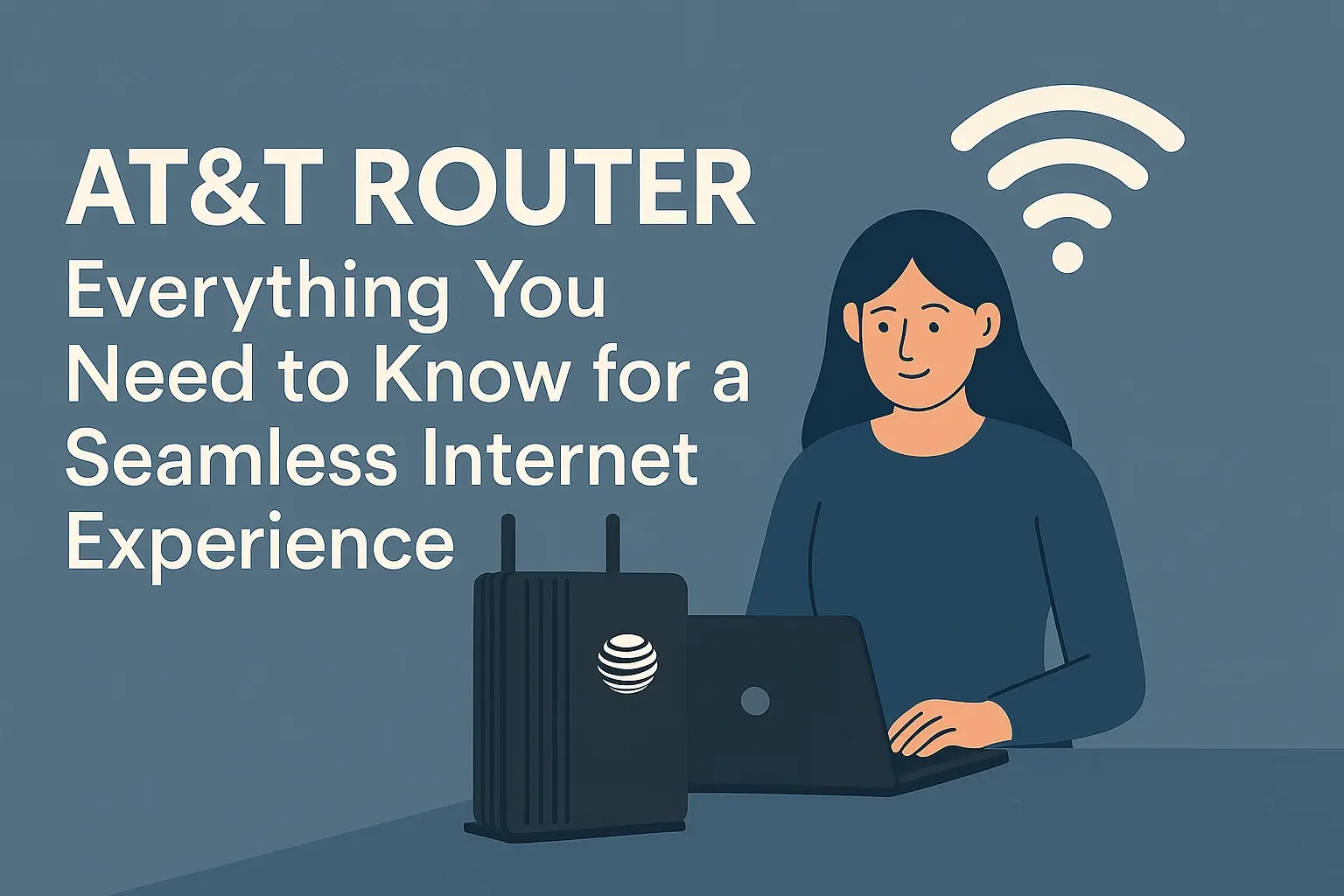
In most cases, yes, you can use your existing router with fiber optic internet, provided it has a WAN (Wide Area Network) Ethernet port and your ISP provides a modem/ONT with an Ethernet output. The fiber optic cable typically terminates at a device called an Optical Network Terminal (ONT), which is installed by your ISP. This ONT converts the light signals into electrical signals. From the ONT, an Ethernet cable usually connects to your router. If your existing router has a standard WAN Ethernet port (often labeled "Internet" or "WAN") capable of accepting the speeds provided by your fiber service, it can function as your home network's gateway. However, the performance you experience will depend heavily on the router's capabilities.
Understanding Different Fiber Connection Types
While the term "fiber optic internet" is used broadly, there are nuances in how it's delivered to your home, which can impact your router setup:
Fiber to the Premises (FTTP) / Fiber to the Home (FTTH)
This is the gold standard. The fiber optic cable runs directly to your home or building. The ONT is typically located inside your house. This is the most common scenario where you'll need to consider your router's compatibility with the Ethernet output from the ONT.
Fiber to the Building (FTTB)
In this setup, fiber optic cable runs to a central point in your apartment building or office complex, and then traditional Ethernet or coaxial cable is used to connect to individual units. If the connection from the building's demarcation point to your unit is Ethernet, your existing router might work, but the speeds might be limited by the internal building wiring.
Hybrid Fiber-Coaxial (HFC)
This technology uses fiber optic cables for the main trunk lines and then switches to coaxial cable for the "last mile" to your home. While it offers higher speeds than traditional cable, it's not pure fiber to the premises. If your ISP is marketing this as "fiber," your existing cable modem/router might be compatible, but you won't get the full benefits of FTTP.
For the purpose of this discussion, we are primarily focusing on FTTP/FTTH, as this is where the question of using an existing router becomes most relevant and where the potential for high speeds is greatest.
The Role of the ONT (Optical Network Terminal)
The ONT is the crucial intermediary device. It's installed by your ISP and is responsible for converting the optical signals from the fiber optic cable into electrical signals that your router and other devices can understand. Think of it as the modem for fiber optic internet.
Key Functions of the ONT:
- Receives light signals from the fiber optic cable.
- Converts these light signals into data packets.
- Outputs these data packets via an Ethernet port.
- May also provide voice (VoIP) and video services, depending on the ISP's package.
Most ISPs will provide an ONT. Some may integrate this ONT into a modem/router combo unit, effectively acting as both the fiber termination point and your primary network gateway. In other cases, the ONT is a standalone box, and you'll connect your own router to it via an Ethernet cable.
ISP-Provided Equipment:
It's common for ISPs to offer a modem/router combo unit that includes an integrated ONT. They often encourage customers to use this provided equipment. This is usually for ease of setup and troubleshooting, as they can remotely manage and diagnose issues with their own hardware. However, many users prefer to use their own high-performance routers for better control, features, and Wi-Fi performance. The key is whether the ISP-provided ONT/modem combo can be put into "bridge mode" (if you want to use your own router) or if they allow you to connect your own router directly to a standalone ONT.
How to Check Your Existing Router's Compatibility
Before you can confidently use your existing router, you need to perform a few checks:
1. Identify Your Router's WAN Port
Locate the ports on the back of your router. You're looking for a port that is typically a different color or labeled "Internet" or "WAN." This is the port where the Ethernet cable from your modem or ONT will plug in. Ensure this port is a Gigabit Ethernet port (10/100/1000 Mbps) if your fiber service is 1 Gbps or higher. Most routers made in the last 5-7 years have Gigabit WAN ports, but older models might have slower Fast Ethernet (10/100 Mbps) ports, which would bottleneck your fiber speeds.
2. Check Your Router's Maximum Throughput
Your router's internal processing power (CPU) and RAM determine how much data it can handle simultaneously. A router advertised as "AC1200" or "AX3000" refers to its theoretical Wi-Fi speed, not its wired throughput capacity. You need to look for specifications regarding its *wired throughput* or its ability to handle WAN-to-LAN traffic. Many older or budget routers can struggle to pass through speeds much beyond 300-500 Mbps, even if they have Gigabit Ethernet ports. For gigabit fiber speeds, you ideally want a router capable of at least 900 Mbps WAN-to-LAN throughput.
3. Verify Router Firmware and Support
Ensure your router's firmware is up to date. Manufacturers often release updates to improve performance and compatibility. Check the manufacturer's website for the latest firmware for your specific model. Also, consider the age of the router; if it's more than 5 years old, it might not be designed to handle the demands of modern high-speed internet and advanced Wi-Fi standards.
4. Consult Your ISP
The most definitive step is to contact your ISP. Ask them specifically:
- What type of ONT will be installed?
- Will the ONT have an Ethernet output?
- What are the output speeds of the Ethernet port on the ONT?
- Do they recommend specific router models, or do they have a list of compatible routers?
- Can their provided modem/ONT unit be put into "bridge mode" if it's a combo unit?
Your ISP's answer will tell you if your existing router is likely to work and what its limitations might be. For instance, if your ISP's ONT only outputs 100 Mbps, even a high-end router won't get you gigabit speeds.
Common Router Limitations When Using Existing Hardware
Even if your existing router has a Gigabit WAN port and can technically connect to the fiber network, several factors can prevent you from achieving optimal performance:
Throughput Bottlenecks
As mentioned, many routers, especially older ones or those not specifically designed for high-speed internet, have limited WAN-to-LAN throughput. This means the router's processor can't keep up with the incoming data from the fiber line, leading to speeds much lower than what your ISP provides. For example, a router that can only handle 300 Mbps might be connected to a 1 Gbps fiber line, but you'll only ever get around 300 Mbps at best through its wired ports.
Wi-Fi Performance
Fiber optic internet provides the *potential* for extremely fast speeds. However, your Wi-Fi network is often the bottleneck. If you have an older Wi-Fi standard (e.g., Wi-Fi 4/802.11n or Wi-Fi 5/802.11ac Wave 1), you won't be able to wirelessly experience the full gigabit speeds your fiber connection offers. Even with Wi-Fi 5 Wave 2 or Wi-Fi 6 (802.11ax), achieving speeds close to 1 Gbps wirelessly requires optimal conditions, proximity to the router, and a compatible client device.
Advanced Features and QoS
High-end routers offer advanced features like robust Quality of Service (QoS) settings, VPN support, advanced firewall options, and better network management tools. Older routers may lack these features or have very rudimentary implementations that aren't sufficient for managing a high-bandwidth fiber connection effectively, especially if you have many devices or demanding applications running simultaneously.
MU-MIMO and Beamforming Limitations
Modern Wi-Fi standards (Wi-Fi 5 and Wi-Fi 6) utilize technologies like Multi-User, Multiple-Input, Multiple-Output (MU-MIMO) and beamforming to improve efficiency and signal strength for multiple devices. Older routers might not support these, leading to a less efficient and potentially slower wireless experience when multiple devices are connected.
Security Protocols
Older routers might not support the latest Wi-Fi security protocols (like WPA3) or may have less robust firewall capabilities, leaving your network more vulnerable to threats. With faster speeds, malicious actors can potentially download harmful content or exploit your network more quickly.
When You Absolutely Need a New Router for Fiber
While using your existing router might be possible, there are clear indicators that an upgrade is necessary to truly benefit from fiber optic speeds:
Your Current Router is Older Than 5 Years
Technology advances rapidly. Routers older than 5 years likely use outdated Wi-Fi standards and have processors not designed to handle multi-gigabit speeds. They may also lack support for newer security protocols.
Your ISP Provides a Modem/Router Combo Unit
If your ISP insists you use their all-in-one device, and it cannot be put into "bridge mode" (where it acts solely as a modem and passes the public IP address to your own router), you might be stuck with their potentially limited hardware. In such cases, purchasing your own compatible router and connecting it to their device (often requiring specific configuration) is the best route.
You Are Not Achieving Advertised Speeds
If you've connected your router to the ONT and are consistently getting speeds significantly lower than your subscribed fiber plan (e.g., only getting 200 Mbps on a 1 Gbps plan via Ethernet), your router is likely the bottleneck.
You Need Superior Wi-Fi Performance
If you have a large home, multiple devices, or experience Wi-Fi dead zones and slow speeds in certain areas, your existing router's Wi-Fi coverage and capacity are likely insufficient for a high-speed fiber connection. Newer routers with Wi-Fi 6 or Wi-Fi 6E offer vastly improved performance, range, and device handling.
You Require Advanced Features
If you need features like advanced QoS to prioritize traffic for gaming or video calls, robust parental controls, a built-in VPN client, or a more sophisticated firewall, you'll likely need a newer, more capable router.
You're Subscribing to Speeds Above 500 Mbps
While some older routers might *technically* handle 500 Mbps, anything above this threshold, especially gigabit speeds (1000 Mbps), almost certainly requires a modern router with a powerful processor and Gigabit Ethernet ports that can sustain those speeds.
Choosing the Right Router for Your Fiber Connection
When it's time to upgrade, here's what to look for in a router to maximize your fiber optic internet experience:
Wi-Fi Standard: Wi-Fi 6 (802.11ax) or Wi-Fi 6E
Wi-Fi 6 is the current standard and offers significant improvements over Wi-Fi 5, including higher speeds, better efficiency in crowded environments, and improved battery life for connected devices. For fiber speeds up to 1 Gbps, a good Wi-Fi 6 router is often sufficient.
Wi-Fi 6E extends Wi-Fi 6 to the 6 GHz band, offering even more bandwidth and less interference. This is ideal for very high-speed connections (2 Gbps and above) and future-proofing. However, client devices must also support Wi-Fi 6E to take advantage of it.
Speed Rating
Look for routers with high AX ratings (e.g., AX1800, AX3000, AX6000). The number indicates the combined theoretical speeds across all bands. For gigabit fiber, an AX3000 or higher is recommended for robust performance.
WAN-to-LAN Throughput
This is critical. Check reviews and specifications for the router's actual wired throughput. Aim for a router that can handle at least 900 Mbps WAN-to-LAN. Many reputable tech review sites perform these tests.
Number of Ethernet Ports
Ensure it has enough Gigabit Ethernet ports for your wired devices (PCs, gaming consoles, smart TVs, etc.). Some routers also offer 2.5 Gbps or 10 Gbps Ethernet ports, which can be beneficial if your ISP offers multi-gigabit speeds or if you have high-speed local network devices.
Processor and RAM
A dual-core or quad-core processor and ample RAM (e.g., 512MB or 1GB) will allow the router to handle multiple connections, advanced features, and high speeds without bogging down.
Mesh Wi-Fi Systems
If you have a large home or persistent Wi-Fi dead spots, consider a mesh Wi-Fi system. These consist of a main router and satellite nodes that work together to provide seamless, whole-home Wi-Fi coverage. Many mesh systems now support Wi-Fi 6 and offer impressive performance.
ISP Compatibility and Bridge Mode
Confirm that your chosen router is compatible with your ISP's network and that you can either connect it directly to the ONT or, if using an ISP combo unit, that the unit can be placed in bridge mode.
Setting Up Your Router with Fiber Internet
The setup process generally involves connecting your router to the ONT provided by your ISP. Here's a typical step-by-step guide:
Step 1: Identify Your ISP's Equipment
Locate the ONT installed by your ISP. It will have one or more ports. Usually, there's an Ethernet port for data. If your ISP provided a modem/router combo unit, you'll need to decide if you're using it as is, putting it in bridge mode, or bypassing it entirely if you have a standalone ONT.
Step 2: Connect the ONT to Your Router
Use a high-quality Ethernet cable (Cat 6 or Cat 6a is recommended for speeds of 1 Gbps and above) to connect the Ethernet port on the ONT directly to the WAN/Internet port on your new or existing router. If you are using an ISP combo unit and want to use your own router, you might connect your router's WAN port to one of the LAN ports on the ISP's device, but this is less ideal than bridge mode.
Step 3: Power On Devices
Power on the ONT first, wait for its lights to stabilize (indicating it has a connection), then power on your router. Allow both devices a few minutes to boot up completely.
Step 4: Configure Your Router
Access your router's administrative interface through a web browser (usually by typing an IP address like 192.168.1.1 or 192.168.0.1 into the address bar). Follow the router's setup wizard or manually configure the WAN connection type. For most fiber connections, this will be "DHCP" or "Automatic IP," where the router automatically obtains an IP address from the ISP. You may need to clone the MAC address of the ISP's provided device if your ISP restricts connections to a specific MAC address.
Step 5: Set Up Your Wi-Fi Network
Configure your Wi-Fi network name (SSID) and password. Choose strong security settings (WPA2/WPA3). If your router supports band steering, enable it to automatically connect devices to the optimal Wi-Fi band (2.4 GHz or 5 GHz).
Step 6: Test Your Connection
Connect a device (preferably via Ethernet cable directly to the router) and run a speed test (e.g., Speedtest.net, Fast.com). You should see speeds close to your subscribed fiber plan. Test Wi-Fi speeds from various locations in your home.
Step 7: Consider Bridge Mode (If Applicable)
If your ISP provided a modem/router combo and you want to use your own router, the best practice is to put the ISP's device into "bridge mode." This disables its routing functions, turning it into a simple modem/ONT, and allows your own router to manage your network and receive the public IP address. Consult your ISP or the device's manual for instructions on enabling bridge mode.
Future-Proofing Your Network for Tomorrow's Speeds
Fiber optic technology is designed for longevity and scalability. As ISPs roll out faster tiers of service, your home network infrastructure needs to keep pace. Investing in a router that can handle current high speeds is a good start, but consider these points for future-proofing:
- Multi-Gigabit Ports: If your ISP offers or plans to offer speeds beyond 1 Gbps (e.g., 2 Gbps, 5 Gbps, 10 Gbps), look for routers with 2.5 Gbps or 10 Gbps WAN and LAN ports. This ensures your wired network can handle future speed upgrades without needing another router replacement.
- Wi-Fi 6E or Wi-Fi 7: While Wi-Fi 6E is current, Wi-Fi 7 (802.11be) is on the horizon and promises even higher speeds, lower latency, and improved reliability. Investing in Wi-Fi 6E now provides a good bridge, but for ultimate future-proofing, keeping an eye on Wi-Fi 7 routers might be worthwhile if budget allows and your ISP speeds warrant it.
- Mesh Systems: As your smart home grows and more devices demand bandwidth, a robust mesh system ensures consistent, high-speed Wi-Fi coverage throughout your entire home.
- Wired Backhaul for Mesh: If you opt for a mesh system, consider a system that supports wired backhaul (connecting the satellite nodes to the main router via Ethernet cables). This provides the most stable and fastest connection between nodes, maximizing overall network performance.
- Firmware Updates: Regularly check for and install firmware updates for your router. These updates often include performance enhancements, new features, and critical security patches, helping to keep your network optimized and protected.
By selecting hardware that supports the latest standards and offers ample headroom, you can ensure your network remains a high-performance asset for years to come, fully leveraging the capabilities of your fiber optic internet connection.
Conclusion
The question "Can I use my existing router with fiber?" is a common one, and the answer is often a conditional "yes." While your current router might physically connect to the fiber network via an ONT and Ethernet cable, its capabilities will dictate whether you actually experience the blazing-fast speeds and robust performance that fiber optic internet promises. For many users, especially those with older routers or those subscribing to gigabit speeds, an upgrade is not just recommended but essential to unlock the full potential of their connection. Prioritize routers with Gigabit Ethernet WAN ports, sufficient WAN-to-LAN throughput, and modern Wi-Fi standards like Wi-Fi 6 or Wi-Fi 6E. By carefully assessing your current equipment and understanding your ISP's setup, you can make an informed decision and ensure your home network is ready to handle the future of internet connectivity.