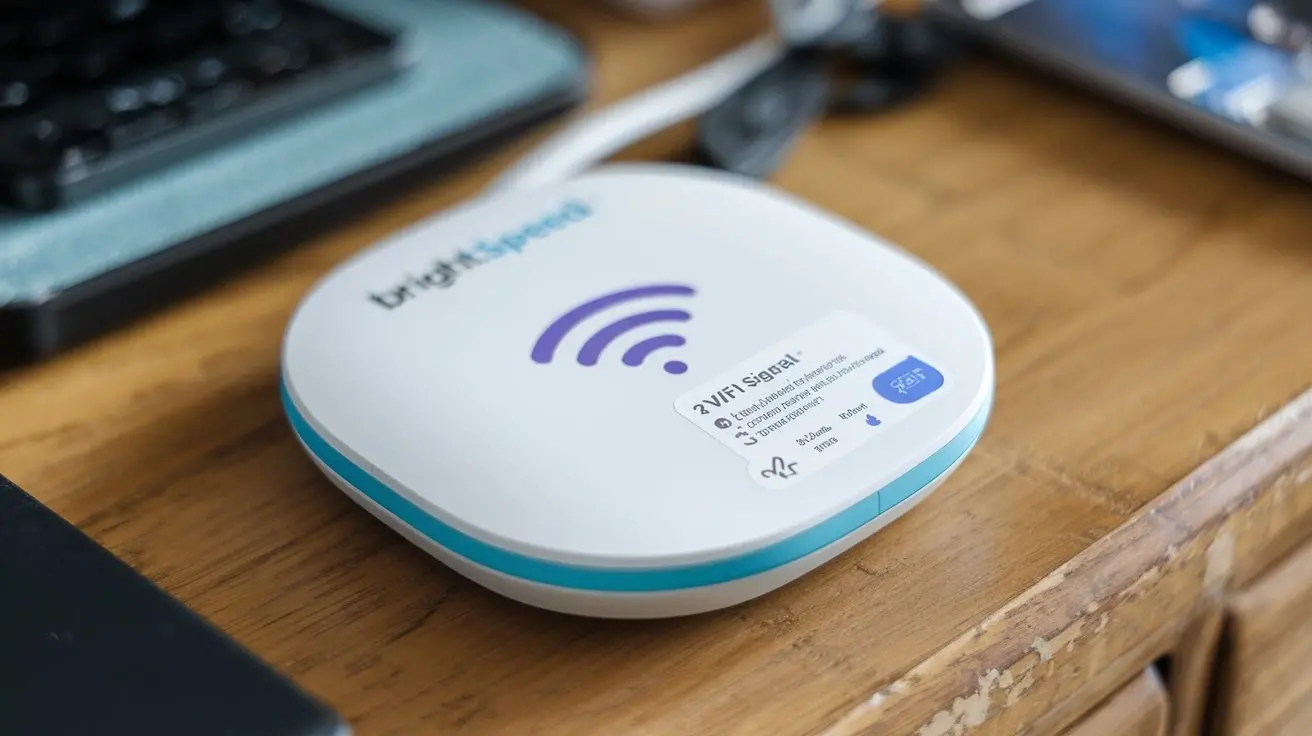
Experiencing issues with your Brightspeed internet? This guide offers a comprehensive, step-by-step approach to troubleshooting Brightspeed compatible modems, ensuring you can quickly diagnose and resolve common connectivity problems. Get your service back online efficiently.
Understanding Brightspeed Compatible Modems
Brightspeed, like many internet service providers (ISPs), relies on modems to translate the signals from their network into a format your home devices can understand. When choosing a modem for Brightspeed service, compatibility is paramount. While Brightspeed offers its own equipment, many users opt for third-party modems to save on rental fees or to gain access to advanced features. This guide focuses specifically on troubleshooting modems that are officially recognized and compatible with the Brightspeed network, ensuring you have the right hardware for optimal performance.
As of 2025, Brightspeed primarily utilizes DSL and Fiber optic technologies. The type of modem you need will depend on which of these technologies your home is provisioned for. For DSL, you'll typically need a DSL modem that supports ADSL2+ or VDSL2 standards, depending on your specific line. For Fiber, you'll need a modem or a modem/router combination unit (often called a gateway) that is compatible with the Optical Network Terminal (ONT) provided by Brightspeed. Understanding your service type is the first step in effective troubleshooting.
The importance of a compatible modem cannot be overstated. Using an incompatible device can lead to a host of problems, from slow speeds and frequent disconnections to a complete lack of internet access. Brightspeed maintains a list of approved modems to ensure seamless integration with their network infrastructure. While this list can evolve, generally, modems that meet industry standards and have been tested by Brightspeed are considered compatible. Always verify the latest compatibility list on the official Brightspeed website or by contacting their support before purchasing a new modem.
DSL vs. Fiber Modems for Brightspeed
The distinction between DSL and Fiber modems is crucial. DSL modems connect to your home's telephone line and require specific DSL port configurations on Brightspeed's end. They convert analog signals from the phone line into digital data your devices can use. The performance of DSL is highly dependent on the distance from the local exchange and the quality of the copper wiring. As of 2025, DSL technology, while still prevalent in many areas, is gradually being supplemented or replaced by faster Fiber optic services.
Fiber optic modems, on the other hand, connect to a fiber optic cable that runs directly to your home. This technology offers significantly higher speeds and lower latency compared to DSL. Fiber modems, often integrated into gateways, work in conjunction with an ONT (Optical Network Terminal) installed by Brightspeed. The ONT converts the light signals from the fiber optic cable into electrical signals that the modem can process. Troubleshooting Fiber setups often involves checking the ONT and the connection to it, in addition to the modem/gateway itself.
For users experiencing issues, identifying whether they have DSL or Fiber service is the first diagnostic step. This information is usually available on your Brightspeed bill or by checking your service agreement. Knowing your service type will help you focus on the correct troubleshooting steps and understand the limitations or capabilities of your current setup. For instance, slow speeds on DSL might be a line quality issue, whereas slow speeds on Fiber could point to a faulty router or an overloaded network.
Choosing a Compatible Modem
When selecting a modem for Brightspeed, prioritize devices explicitly listed as compatible. These modems have undergone testing by Brightspeed to ensure they meet performance and security standards. Key specifications to look for include support for the latest DOCSIS standards (for cable, though Brightspeed is primarily DSL/Fiber), ADSL2+/VDSL2 compatibility for DSL, and appropriate Ethernet port speeds (Gigabit Ethernet is recommended for optimal performance with faster plans).
Reputable brands often provide clear indications of ISP compatibility on their packaging or product pages. For example, a modem might state "Compatible with Brightspeed DSL" or "Works with Brightspeed Fiber (check ONT requirements)." It's always wise to cross-reference with Brightspeed's official compatibility list. This proactive step can save considerable time and frustration down the line, preventing issues that stem from using an unsupported device.
The cost-benefit analysis of owning versus renting a modem is a significant factor for many consumers. While owning a modem requires an upfront investment, it can lead to substantial savings over time, especially for long-term subscribers. By choosing a compatible modem, you ensure that your investment is sound and that you can take full advantage of the speeds and reliability Brightspeed offers. In 2025, with the ongoing expansion of Fiber networks, ensuring your modem is future-proofed for higher speeds is also a smart consideration.
Common Brightspeed Modem Issues and Symptoms
Understanding the common problems users face with their Brightspeed compatible modems is the first step toward effective troubleshooting. These issues can manifest in various ways, from minor annoyances to complete service interruptions. Identifying the specific symptoms will help you pinpoint the potential cause and apply the correct solution.
No Internet Connection
The most critical issue is a complete lack of internet access. This can be indicated by all devices in your home being unable to connect to the web, or by the modem itself showing no signs of a stable connection (e.g., no internet light, or a blinking internet light). This symptom can stem from a variety of causes, including a powered-off modem, a disconnected cable, an issue with Brightspeed's network, or a faulty modem.
Slow Internet Speeds
Another frequent complaint is significantly slower internet speeds than what you are subscribed to. This can make web browsing sluggish, streaming services buffer constantly, and online gaming frustrating. Slow speeds can be caused by network congestion, an outdated or malfunctioning modem, Wi-Fi interference, or issues with the cabling within your home.
Intermittent Connection Drops
Users might experience their internet connection dropping sporadically. This means the internet works for a while, then cuts out, only to return later. These drops can be brief or prolonged and can occur at any time. This type of issue is often more challenging to diagnose as it doesn't present a constant problem.
Wi-Fi Problems (for integrated gateways)
If your Brightspeed compatible modem is an all-in-one gateway (modem and router combined), you might experience Wi-Fi specific issues. This includes devices not being able to connect to the Wi-Fi network, a weak Wi-Fi signal, or slow Wi-Fi speeds even when the wired connection is stable. These issues are typically related to the router functionality of the gateway.
Modem Overheating
A modem that feels unusually hot to the touch might be experiencing overheating issues. This can lead to performance degradation, frequent reboots, and eventually, hardware failure. Proper ventilation is key to preventing this. As of 2025, with higher-speed services, modems are often more powerful and thus generate more heat, making ventilation even more critical.
Difficulty Connecting New Devices
Sometimes, users find it challenging to connect new devices (smartphones, laptops, smart home gadgets) to their network. This could be due to outdated firmware on the modem, Wi-Fi security settings, or limitations of the modem's broadcasting capabilities.
Preliminary Checks Before Troubleshooting
Before diving into complex troubleshooting steps, performing a few basic checks can often resolve the issue quickly or provide valuable information for further diagnosis. These preliminary steps are designed to rule out the most common and easily fixable problems.
Check Your Brightspeed Service Status
The first and most crucial step is to determine if the problem lies with Brightspeed's network rather than your equipment. ISPs sometimes experience outages or maintenance in specific areas. You can usually check for reported outages by visiting the Brightspeed website, using their mobile app (if available), or by calling their customer service line. In 2025, ISPs are increasingly providing real-time outage maps and notifications, making this check faster than ever.
Action: Visit Brightspeed's Outage Page or call their support number to inquire about local service disruptions.
Verify Physical Connections
Loose or disconnected cables are a surprisingly common cause of internet problems. Ensure that all cables connected to your modem are securely fastened. This includes the power adapter, the Ethernet cable connecting to your computer (if applicable), and the cable connecting the modem to the wall jack (DSL phone line or fiber optic cable).
Action:
- Unplug and firmly re-plug the power cord into the modem and the wall outlet.
- For DSL: Ensure the phone line cable is securely plugged into both the modem's DSL port and the wall jack. Try a different phone cord if possible.
- For Fiber: Ensure the fiber optic cable is securely connected to the ONT and the modem/gateway. Avoid bending fiber optic cables sharply.
- If using an Ethernet cable to connect a device, ensure it's firmly plugged into both the modem/gateway and the device.
Check Modem Power
It sounds obvious, but ensure your modem is actually powered on. Check if the power light is illuminated. If it's not, try plugging the modem into a different power outlet to rule out an issue with the outlet itself. If the modem has a power switch, ensure it's in the "on" position.
Action: Confirm the power light on the modem is on. Test the power outlet with another device.
Restart Your Modem and Router (Power Cycle)
A power cycle, or reboot, is often the first and most effective troubleshooting step for many electronic devices, including modems and routers. This process can clear temporary glitches, refresh the connection to Brightspeed's network, and resolve minor software issues.
Action:
- Unplug the power cord from your modem.
- If you have a separate router, unplug its power cord as well.
- Wait for at least 30-60 seconds. This allows the devices to fully discharge and reset.
- Plug the power cord back into the modem. Wait for it to fully boot up (usually indicated by stable lights, which can take 2-5 minutes).
- If you have a separate router, plug its power cord back in and wait for it to boot up.
- Test your internet connection.
This simple step resolves a significant percentage of common connectivity issues. It’s a good practice to perform this periodically, perhaps once a month, as part of routine maintenance.
Check Connected Devices
Sometimes, the issue might be with a specific device rather than the modem or network. Try connecting to the internet with a different device (e.g., a smartphone, tablet, or another computer). If other devices can connect successfully, the problem likely lies with the original device's settings, Wi-Fi adapter, or network configuration.
Action: Attempt to connect to the internet using at least two different devices.
Troubleshooting Power and Connectivity Issues
When your modem isn't powering on or establishing a connection, it's crucial to systematically address the power and physical connectivity aspects. These foundational elements must be in place for any internet service to function.
Modem Not Powering On
If your modem shows no signs of life – no lights, no sounds – the issue is likely with the power supply. First, ensure the power adapter is securely plugged into both the modem and a working wall outlet. Test the outlet with another appliance to confirm it's providing power. If the outlet is fine, try a different power adapter if you have a compatible spare. Some modems have a small reset button that, when held down, can sometimes resolve power-related glitches, but this is less common for power issues.
Action:
- Verify power adapter connections at both ends.
- Test the power outlet with another device.
- Try a different, compatible power adapter.
- Check for a physical power switch on the modem.
No DSL Sync or Fiber Link
This refers to the modem's inability to establish a stable connection with Brightspeed's network. For DSL, this is often indicated by a blinking or absent DSL/Sync light. For Fiber, it might be a blinking or absent Link/Fiber light on the modem or ONT.
DSL Sync Issues:
- Cable Quality: Ensure the phone cable connecting your modem to the wall jack is in good condition. Frayed or damaged cables can impede signal quality. Try replacing the cable with a new one.
- Splitters: If you use a DSL filter or splitter on your phone line, try bypassing it temporarily. These can sometimes degrade the signal. Connect the modem directly to the wall jack.
- Wiring: Older home wiring can be a source of DSL sync problems. If your modem is connected through multiple jacks or extension cords, try connecting it directly to the primary jack where the service enters your home.
- Line Noise: Other devices on the phone line (fax machines, older cordless phones) can introduce noise that interferes with DSL sync. Disconnect all other devices from the phone line temporarily.
Fiber Link Issues:
- ONT Connection: For Fiber service, the issue might be with the Optical Network Terminal (ONT) provided by Brightspeed. Ensure the fiber optic cable is securely connected to the ONT.
- Fiber Cable Integrity: Fiber optic cables are sensitive. Avoid sharp bends or kinks. Inspect the cable for any visible damage.
- ONT Power: Ensure the ONT itself is powered on and functioning correctly. It usually has its own power adapter and indicator lights.
- Brightspeed Equipment: In many Fiber setups, the ONT is a Brightspeed-provided device, and if it's malfunctioning, you'll likely need Brightspeed support to address it.
Action: Systematically check and test all physical connections, cables, and potential interference sources. For Fiber, pay close attention to the ONT.
Ethernet Connectivity Problems
If you're using a wired Ethernet connection to your computer and it's not working, ensure the Ethernet cable is properly seated in both the modem/gateway and your computer's Ethernet port. Try a different Ethernet cable, as they can fail. Also, check your computer's network adapter settings to ensure it's enabled and configured to obtain an IP address automatically (DHCP).
Action:
- Reseat Ethernet cable at both ends.
- Test with a known good Ethernet cable.
- Check your computer's network adapter status.
Router Issues for Integrated Gateways
If your Brightspeed modem is an all-in-one gateway, and you're experiencing connectivity issues that seem Wi-Fi related but also affect wired connections, the router component might be at fault. A reboot (power cycle) is the first step. If that doesn't work, you might need to perform a factory reset on the gateway, which will revert all settings to their defaults. Be aware that this will erase your custom Wi-Fi name (SSID) and password, so you'll need to reconfigure them.
Action: Perform a power cycle. If unresolved, consider a factory reset (consult your gateway's manual for instructions).
Addressing Slow Internet Speeds
Experiencing speeds far below your subscribed plan can be frustrating. This section covers common causes and solutions for slow internet with your Brightspeed compatible modem.
Speed Test Methodology
Before concluding your speeds are slow, it's essential to perform accurate speed tests. Use a reliable speed test service and follow best practices.
Action:
- Use a Wired Connection: For the most accurate results, connect your computer directly to the modem/gateway via an Ethernet cable. Wi-Fi speeds can be affected by many factors.
- Close Background Applications: Ensure no other devices or applications are heavily using the internet (e.g., large downloads, streaming on multiple devices).
- Use Reputable Sites: Popular sites include Speedtest.net (Ookla), Fast.com (Netflix), or Google's built-in speed test.
- Test at Different Times: Speeds can fluctuate based on network congestion. Test during peak and off-peak hours.
- Compare to Your Plan: Know the advertised speeds of your Brightspeed plan. Understand that advertised speeds are "up to" and actual speeds can vary.
Modem Performance and Age
An older modem might not be capable of supporting the higher speeds offered by newer Brightspeed plans, even if it's technically "compatible." As technology advances, modems need to keep up with evolving standards like DOCSIS 3.1 (for cable, less relevant for Brightspeed's primary technologies but indicative of general advancement) or VDSL2 standards for DSL. For Fiber, the modem's internal processing power and Ethernet port speeds (Gigabit is standard now) are critical.
Action: Check your modem's specifications and compare them to your Brightspeed plan's speeds. If your modem is several years old or was designed for lower-speed plans, it might be a bottleneck. Consult Brightspeed's compatibility list for current recommended models.
Network Congestion
Both within your home and on Brightspeed's network, congestion can lead to slow speeds. If multiple devices are simultaneously using bandwidth for demanding activities (streaming 4K video, online gaming, large file downloads), your available bandwidth will be shared, resulting in slower speeds for each device.
Action:
- Prioritize Devices: If your router (or gateway) has Quality of Service (QoS) settings, you can prioritize certain devices or applications.
- Schedule Heavy Usage: If possible, schedule large downloads or backups for off-peak hours when network traffic is lower.
- Limit Concurrent Usage: Encourage family members to be mindful of bandwidth usage when others are performing critical tasks.
Wi-Fi Interference and Signal Strength
If your speed tests are significantly slower over Wi-Fi compared to a wired connection, Wi-Fi is likely the culprit. Factors include distance from the router, physical obstructions (walls, furniture), and interference from other electronic devices (microwaves, Bluetooth devices, neighboring Wi-Fi networks).
Action:
- Relocate Router: Place your modem/gateway in a central, open location, away from obstructions and other electronics.
- Change Wi-Fi Channel: Access your gateway's settings and try switching to a less congested Wi-Fi channel. Many gateways can do this automatically.
- Use 5GHz Band: If your gateway supports dual-band Wi-Fi (2.4GHz and 5GHz), use the 5GHz band for devices closer to the router, as it offers faster speeds and less interference, though with a shorter range.
- Consider a Wi-Fi Extender or Mesh System: For larger homes, a Wi-Fi extender or a mesh Wi-Fi system can improve coverage and speeds in dead zones.
Firmware Updates
Outdated modem or router firmware can lead to performance issues, security vulnerabilities, and compatibility problems. Most modern modems and gateways can update their firmware automatically, but sometimes manual intervention is required.
Action: Check your modem/gateway's administrative interface for firmware update options. Consult Brightspeed's support or your modem manufacturer's website for instructions.
Resolving Intermittent Connection Drops
Intermittent connection drops are among the most frustrating issues because they are unpredictable. They can be caused by a variety of factors, from unstable line conditions to equipment malfunctions.
Line Quality Issues (DSL)
For DSL users, the quality of the copper phone line is paramount. Degradation due to age, corrosion, or damage can cause intermittent signal loss. This is often exacerbated by weather conditions.
Action:
- Test with a Different Phone Cord: As mentioned earlier, a faulty cord can be the culprit.
- Check for Line Noise: Disconnect all other devices from the phone line and see if the connection stabilizes.
- Direct Connection: Ensure the modem is connected directly to the primary phone jack. Avoid using extension cords or multiple splitters.
- Contact Brightspeed: If you suspect line quality issues, Brightspeed technicians may need to test the line from their end or dispatch a technician to inspect your wiring.
Cable and Connector Integrity
Loose or corroded connectors on Ethernet cables, phone lines, or fiber optic cables can cause intermittent contact and thus, connection drops.
Action: Inspect all cable connectors for damage, corrosion, or debris. Ensure they are firmly seated. For fiber, be extremely careful not to scratch or bend the connector end.
Modem Overheating or Instability
An overheating modem can become unstable and start dropping connections. This is often due to poor ventilation or the modem working too hard.
Action:
- Ensure Ventilation: Make sure the modem is in a well-ventilated area, not enclosed in a cabinet or covered by other items.
- Check Ambient Temperature: Avoid placing the modem in direct sunlight or near heat sources.
- Reduce Load (if applicable): If the modem is an integrated gateway, consider if the Wi-Fi load is excessive.
- Monitor Temperature: Carefully touch the modem; if it's excessively hot, this is a strong indicator of the problem.
Power Fluctuations
Unstable power from your wall outlet can cause modems to reset or disconnect. While less common, power surges or brownouts can affect sensitive electronics.
Action: Plug your modem into a surge protector or a UPS (Uninterruptible Power Supply) to provide stable power and protection against fluctuations.
Router Firmware or Software Glitches
For integrated gateways, software glitches in the router component can cause intermittent drops, even if the modem part is stable.
Action: Ensure the gateway's firmware is up to date. A factory reset can sometimes resolve persistent software issues.
Interference from Other Devices
While more common for Wi-Fi, certain types of electrical interference from other household appliances can sometimes affect the modem's signal processing, especially for DSL.
Action: Try to isolate the modem from other major appliances and power-hungry electronics.
Decoding Modem Lights: A Visual Guide
Your modem's indicator lights are a crucial diagnostic tool. Understanding what each light signifies can help you quickly identify the nature of a problem.
Note: The exact labels and behavior of lights can vary between modem models. Always refer to your modem's manual for specific details.
| Light Name | Color | Status | Meaning | Troubleshooting Action |
|---|---|---|---|---|
| Power | Solid Green/Blue | On | Modem is receiving power and is on. | If off, check power adapter and outlet. |
| Power | Off | Off | Modem is not receiving power. | Check power adapter connection, outlet, and try a different outlet. |
| DSL/Link/WAN | Solid Green/Blue | On | Established connection to Brightspeed's network (DSL sync or Fiber link). | Good connection. |
| DSL/Link/WAN | Blinking Green/Blue | Blinking | Attempting to establish a connection. | Check physical cable connections. May indicate line issue or network problem. |
| DSL/Link/WAN | Off | Off | No connection to Brightspeed's network detected. | Check cable connections, ensure service is active, contact Brightspeed. |
| Internet/Online | Solid Green/Blue | On | Modem has successfully connected to the internet. | Internet access should be available. |
| Internet/Online | Blinking Green/Blue | Blinking | Modem is communicating with the internet but may not have a full IP address or stable connection. | May indicate a temporary issue or configuration problem. Reboot modem. |
| Internet/Online | Off | Off | No internet connection established. | Check DSL/Link light. If DSL/Link is on but Internet is off, reboot modem. If DSL/Link is off, address that issue first. |
| Ethernet/LAN | Solid Green/Blue | On | A device is connected via Ethernet cable and is active. | Indicates a successful wired connection to a device. |
| Ethernet/LAN | Blinking Green/Blue | Blinking | Data is being transmitted/received via Ethernet. | Normal activity for an active Ethernet connection. |
| Ethernet/LAN | Off | Off | No device is connected via Ethernet, or the connected device is off. | Check Ethernet cable connections and ensure the connected device is powered on. |
| Wi-Fi/WLAN | Solid Green/Blue | On | Wi-Fi broadcasting is enabled. | Wi-Fi network is active and ready for connections. |
| Wi-Fi/WLAN | Blinking Green/Blue | Blinking | Data is being transmitted/received over Wi-Fi. | Normal activity for an active Wi-Fi connection. |
| Wi-Fi/WLAN | Off | Off | Wi-Fi broadcasting is disabled or not functioning. | Check gateway settings to ensure Wi-Fi is enabled. Reboot gateway. |
Advanced Troubleshooting Techniques
If the basic steps haven't resolved your issues, you might need to delve into more advanced troubleshooting. These steps often involve accessing your modem's administrative interface.
Accessing Modem Admin Interface
Most modems and gateways have a web-based administrative interface that allows you to view status, change settings, and perform diagnostics. You typically access this by typing your modem's IP address into a web browser.
Common IP Addresses: 192.168.1.1, 192.168.0.1, 192.168.100.1
Default Credentials: These are often found on a sticker on the modem itself or in its manual. Common defaults include admin/admin, admin/password, or a unique username/password. If you've changed them and forgotten, a factory reset is usually required.
Action:
- Find your modem's IP address (often printed on the device or in its manual).
- Open a web browser on a connected device.
- Type the IP address into the address bar and press Enter.
- Enter the username and password when prompted.
Checking Modem Logs
The administrative interface often provides access to system logs. These logs can contain detailed error messages that offer clues about the root cause of your problem.
What to look for: Error messages related to DSL sync, IP acquisition, network connectivity, or hardware faults. Pay attention to timestamps to correlate events with connection drops.
Action: Navigate to the "Logs," "System Log," or "Event Log" section within your modem's interface. Review recent entries for recurring errors.
Performing a Factory Reset
A factory reset will revert all modem settings to their original default state. This can resolve persistent software glitches or configuration issues that are difficult to pinpoint.
Caution: This will erase all custom settings, including your Wi-Fi name (SSID) and password, any port forwarding rules, and parental controls. You will need to reconfigure these after the reset.
Action:
- Locate the reset button on your modem. It's usually a small, recessed button that requires a paperclip or pin to press.
- With the modem powered on, press and hold the reset button for 10-30 seconds (refer to your modem's manual for the exact duration).
- The modem will reboot. Wait for it to fully restart and establish a connection.
- You will need to set up your Wi-Fi network and other settings again.
DNS Troubleshooting
Domain Name System (DNS) servers translate website names (like google.com) into IP addresses. If your DNS servers are slow or unavailable, websites may fail to load, or pages may load very slowly, even if your internet connection is otherwise fine.
Action:
- Change DNS Servers: Within your modem/gateway's settings (or your computer's network settings), you can often change your DNS servers to public ones like Google DNS (8.8.8.8 and 8.8.4.4) or Cloudflare DNS (1.1.1.1 and 1.0.0.1).
- Flush DNS Cache: On your computer, you can flush the DNS cache. For Windows, open Command Prompt as administrator and type
ipconfig /flushdns. For macOS, open Terminal and typesudo dscacheutil -flushcache; sudo killall -HUP mDNSResponder.
Checking IP Address and Subnet Mask
Your devices need a valid IP address and subnet mask to communicate on your local network and with the internet. If these are incorrect, connectivity will fail.
Action: On your computer, check your network adapter settings. Ensure "Obtain an IP address automatically" and "Obtain DNS server address automatically" are selected (unless you have a specific static IP configuration). If you are using static IPs, verify they are within the correct range for your modem's subnet.
When to Contact Brightspeed Support
While this guide empowers you to troubleshoot many common issues, there are times when contacting Brightspeed's official support is necessary. Knowing when to escalate is key to efficient problem resolution.
Persistent Issues After Troubleshooting
If you have diligently followed all the troubleshooting steps outlined above – including power cycling, checking connections, verifying service status, and even performing a factory reset – and your internet connection remains unstable, slow, or completely down, it's time to reach out to Brightspeed.
Modem Lights Indicating Network Problem
Certain combinations of modem lights, particularly if the DSL/Link/WAN light remains off or blinking after multiple reboots, strongly suggest an issue originating from Brightspeed's network or their equipment (like the ONT for Fiber). If your modem cannot establish a link to their network, it's beyond your ability to fix.
Fiber Optic Specific Issues
For Fiber service, if you suspect an issue with the ONT (Optical Network Terminal) or the fiber optic cable itself leading to your home, you will need Brightspeed's intervention. These components are typically installed and maintained by the ISP.
Billing or Account Inquiries
Any questions regarding your service plan, billing, or account status should be directed to Brightspeed customer service.
Requesting Technician Visit
If Brightspeed support determines that the issue cannot be resolved remotely, they will schedule a technician visit to your home to diagnose and repair the problem on-site. This is often necessary for physical line issues, complex equipment failures, or problems with the external wiring.
How to Contact Brightspeed
Brightspeed offers several channels for customer support:
- Phone Support: This is often the most direct way to speak with a representative. You can find their customer service number on your bill or the Brightspeed website.
- Online Chat: Many ISPs provide live chat support on their website, which can be convenient for quick questions or initial troubleshooting.
- Online Support Portal: The Brightspeed website typically has a comprehensive support section with FAQs, guides, and troubleshooting articles.
- Social Media: Some companies offer support through their official social media channels.
When contacting support, be prepared to provide:
- Your account number or service address.
- A detailed description of the problem.
- The troubleshooting steps you have already taken.
- The make and model of your modem.
- The status of your modem's indicator lights.
Preventative Maintenance for Your Modem
Proactive maintenance can significantly reduce the likelihood of encountering issues with your Brightspeed compatible modem, ensuring a more stable and reliable internet connection.
Regular Reboots
As highlighted earlier, a simple power cycle can resolve many minor glitches. Schedule a weekly or bi-weekly reboot of your modem and router. Many modern routers have a scheduling feature for this. This helps clear temporary memory issues and refreshes the connection to your ISP.
Ensure Proper Ventilation
Modems generate heat. Overheating can lead to performance degradation and premature hardware failure. Ensure your modem is placed in an open area with good airflow. Avoid placing it in enclosed cabinets, under piles of paper, or directly in sunlight. In 2025, with higher bandwidth demands, modems can run hotter, making ventilation even more critical.
Keep Firmware Updated
Manufacturers and ISPs regularly release firmware updates to improve performance, fix bugs, and patch security vulnerabilities. While many modems update automatically, it's good practice to periodically check your modem's administrative interface for available updates or consult Brightspeed's support resources.
Protect Against Power Surges
Use a quality surge protector or a UPS to safeguard your modem from power fluctuations, lightning strikes, and other electrical anomalies that can damage sensitive electronics. This is a relatively inexpensive measure that can prevent costly repairs or replacements.
Inspect Cables and Connections
Periodically check the physical cables connected to your modem. Ensure they are securely plugged in, free from damage, kinks, or corrosion. This is especially important for DSL phone lines and fiber optic cables, which can be more sensitive to physical stress.
Avoid Overloading Your Network
While not directly modem maintenance, managing your home network's usage can reduce strain on your modem and router. Be mindful of the number of devices simultaneously consuming high bandwidth. For integrated gateways, ensure the Wi-Fi signal isn't being pushed to its absolute limits constantly.
Consider Upgrading When Necessary
Technology evolves rapidly. If you're consistently experiencing speeds below your plan's potential, or if your modem is several years old and no longer supported by the latest standards, it might be time to consider upgrading to a newer, more capable compatible modem. Check Brightspeed's latest compatibility list before purchasing.
By implementing these preventative measures, you can significantly enhance the longevity and reliability of your Brightspeed compatible modem, ensuring a smoother online experience.
Conclusion
Troubleshooting Brightspeed compatible modems can seem daunting, but by systematically addressing potential issues, most connectivity problems can be resolved. This comprehensive guide has walked you through understanding your modem, identifying common symptoms, performing crucial preliminary checks, and diving into advanced diagnostics. From ensuring basic power and physical connections are sound to decoding modem lights and understanding advanced settings, you now have the knowledge to tackle a wide range of issues.
Remember that the first steps—checking Brightspeed's service status, power cycling your equipment, and verifying all physical connections—resolve a significant percentage of problems. For speed issues, accurate speed testing and understanding potential bottlenecks like Wi-Fi interference or an aging modem are key. Intermittent drops often point to line quality, cable integrity, or overheating. When in doubt, the modem's indicator lights are your best friend for initial diagnosis.
If you've exhausted these troubleshooting steps and your internet service is still not performing as expected, don't hesitate to contact Brightspeed support. They have the tools and access to further diagnose network-side issues and can dispatch technicians if necessary. By combining your troubleshooting efforts with Brightspeed's expertise, you can restore your internet service efficiently and ensure you're getting the most out of your Brightspeed connection.